The Common beargrass Plant Advantage: Maximizing Home and Office Appeal and Wellness
1
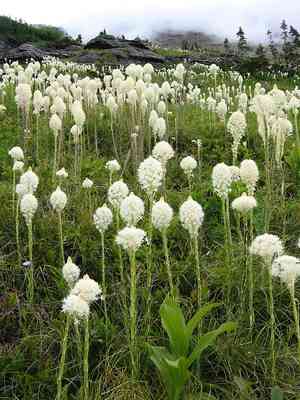
Beargrass, a common species, exhibits great hardiness and flourishes across diverse climates.
2
This flora provides considerable environmental advantages, such as preventing soil erosion.
3
Common beargrass finds use in traditional artistry and enhances landscapes aesthetically.
What Makes Common beargrass So Resilient?
Adaptability to Various Climates
A key feature of Common beargrass is its capacity to flourish across diverse weather conditions. Whether in sunny fields or shaded woodlands, Common beargrass shows remarkable flexibility. This hardiness makes it a great option for varied landscape designs, needing little upkeep once rooted.
Resistance to Pests and Diseases
Common beargrass not only adapts to different climates but also strongly resists pests and illnesses. This natural defense lessens the need for chemical treatments, making it an environmentally friendly choice for gardeners and landscapers. The plant's tough nature ensures it stays strong and healthy with minimal intervention.
How Does Common beargrass Contribute to Ecological Health?
Erosion Control
A main ecological advantage of Common beargrass is its ability to prevent soil erosion. The plant's extensive root system stabilizes the ground, lowering the risk of erosion in sloped or unstable areas. This makes it a valuable asset for restoration projects and places prone to soil loss.
Habitat Support
Common beargrass also plays a vital role in sustaining local ecosystems. It offers shelter and food for various wildlife, from small mammals to insects. By promoting biodiversity, Common beargrass enhances the strength and well-being of natural environments.
What Are the Practical Applications of Common beargrass?
Traditional Crafts
Historically, Common beargrass has been utilized in traditional crafts by indigenous groups. Its strong leaves are excellent for weaving baskets, mats, and other intricate items. This tradition highlights not only the plant's usefulness but also its cultural importance.
Aesthetic Landscaping
Common beargrass is gaining popularity in modern landscaping due to its distinct look and low maintenance needs. Its tall, grass-like foliage adds a striking visual element to gardens and public areas. Additionally, Common beargrass can serve as a natural border or accent plant, improving the visual appeal of landscape designs.
Why Choose Common beargrass for Sustainable Projects?
Low Water Requirement
A compelling reason to include Common beargrass in sustainable projects is its minimal water needs. Once established, it thrives with little irrigation, making it an excellent choice for xeriscaping and drought-prone regions. This trait helps conserve water resources, aligning with sustainable landscaping principles.
Environmental Impact
The cultivation and use of Common beargrass significantly reduce environmental impact compared to plants requiring more resources. Its resilience minimizes the need for chemical treatments and extensive watering, while its ecological benefits contribute to healthier, more sustainable ecosystems.
How to Cultivate and Care for Common beargrass?
Planting Tips
When planting Common beargrass, select a spot that gets full to partial sunlight. The soil should drain well to prevent root rot. Space plants about 18-24 inches apart to allow sufficient room for growth. While Common beargrass is low-maintenance, providing basic care during establishment can promote strong development.
Maintenance Guidelines
To keep Common beargrass healthy, periodically remove any dead or damaged leaves. Although the plant is drought-resistant, occasional deep watering during extended dry periods can boost its vigor. Fertilization is generally not needed, but a light application of a balanced fertilizer in early spring can support new growth.



