How Much Sunlight Do Common beargrass Need?
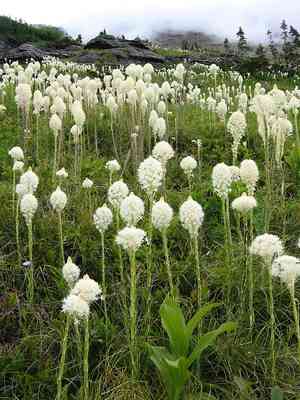
1
Common beargrass flourishes with more than six hours of daily sun exposure.
2
While it can endure some shade, this plant achieves its best growth in full sunlight.
3
A light meter is useful for verifying your Common beargrass receives adequate sun.
Optimal Light Conditions for Common Beargrass
Full Sun Exposure
For optimal growth of Common beargrass, full sun is recommended. This means the plant should receive direct sunlight for a minimum of six hours daily. Under these conditions, the plant develops vigorously, producing robust and healthy foliage. This level of light promotes flowering and overall plant vitality, enhancing the beauty and lushness of your garden. Positioning it to catch morning sun helps mitigate midday heat stress while still providing ample illumination.
Partial Sun Conditions
While Common beargrass flourishes in full sun, it can also endure partial sun. This implies it can still grow reasonably well with approximately 3 to 6 hours of direct sunlight each day, typically in the morning or late afternoon. If your garden features areas with filtered light or partial shade, especially during the warmest hours, Common beargrass should still perform adequately. However, you might observe slightly reduced flowering or less vigorous development.
Shade Tolerance
Although Common beargrass can withstand partial sun, it is not well-suited for complete shade. Insufficient sunlight can lead to stunted growth, pale leaves, and reduced blooming. If situated in a predominantly shaded area, the plant may become elongated and weak, attempting to reach more light. Therefore, partial shade represents its limit regarding low light endurance.
Assessing Sunlight for Common Beargrass
Utilizing a Light Meter
One of the most accurate methods to gauge sunlight for your Common beargrass is by employing a light meter. Light meters quantify the light intensity in an area, helping you determine how much direct sunlight your plant receives. Position the light meter at the intended planting spot and measure the light at various times throughout the day. Aim for readings that confirm at least six hours of sunlight to ensure your plant gets the necessary exposure.
Observing Plant Behavior
If you lack a light meter, monitor your Common beargrass's behavior and appearance. Healthy, flourishing plants with vibrant green foliage indicate sufficient light. Conversely, if you notice weak stems, sparse blooms, or yellowing leaves, it suggests the plant may not be receiving adequate sunlight. Sometimes, careful observation and minor adjustments can significantly optimize sunlight exposure for your plants.
Impact of Excessive or Insufficient Sunlight on Common Beargrass
Effects of Excessive Sunlight
Although Common beargrass prefers full sun, overly intense sunlight, particularly during peak summer, can cause leaf scorch and wilting. Signs of excessive sunlight include browning leaf tips and burned foliage. To prevent these issues, ensure the plant receives some protection during the hottest parts of the day or consider applying mulch around the base to help retain soil moisture.
Symptoms of Insufficient Sunlight
Conversely, inadequate sunlight can result in stretched, spindly growth and pale leaves. The plant may also bloom less frequently and produce smaller flowers. In such cases, try relocating your Common beargrass to a brighter spot or prune nearby plants that might be casting too much shade.
Tips for Maximizing Sunlight Exposure for Common Beargrass
Optimal Garden Placement
To maximize sunlight for Common beargrass, position it in an area that receives direct sunlight for most of the day. South or west-facing locations are typically ideal. If planting near larger shrubs or trees, ensure there's ample space to prevent excessive shading.
Seasonal Adjustments
Sunlight exposure can fluctuate with the changing seasons. During winter, when the sun is lower in the sky, you might need to adapt by moving your Common beargrass to a more exposed location. Conversely, during the peak summer months, consider providing some partial shading to prevent overheating and burning.
Common Misconceptions Regarding Common Beargrass's Sunlight Needs
Myth: Common Beargrass Thrives in Complete Shade
A common misunderstanding is that Common beargrass can flourish in complete shade. As previously stated, this plant performs well in full to partial sun but not in total shade. Placing it in full shade would lead to poor growth and minimal flowering.
Myth: More Sun Always Means Better Growth
Another misconception is that increased sun exposure invariably leads to superior growth for Common beargrass. While it enjoys sunlight, there can be too much of a good thing. Excessive exposure can cause leaf burn and stress. Balanced exposure, avoiding the harsh midday sun, generally yields the best outcomes.



