How to Transplant New Zealand hebe?
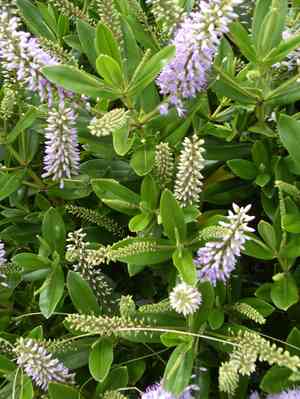
For New Zealand hebe, the prime period for relocation falls between the middle and end of spring, or as the coolness of autumn diminishes. Choose a location featuring soil that drains effectively and offers partial shade, exercising care if the plant's roots are disturbed.
Essential Preparations Before Relocating New Zealand Hebe?
When is the Best Time to Move New Zealand Hebe?
The ideal period for relocating new Zealand hebe spans from early spring's awakening to its peak, or the gentle arrival of autumn. During these intervals, moderate temperatures facilitate root development, making it the perfect time. Moving new Zealand hebe in these seasons aligns with its natural growth cycle, ensuring a smooth transition and optimal recovery. A friendly reminder: these are the moments nature intended for you to give your new Zealand hebe a new home, promising a prosperous flourish!
What is the Recommended Spacing Between New Zealand Hebe Plants?
When relocating new Zealand hebe, it's crucial to provide ample room for growth. Aim for a separation of approximately 15-18 inches (38-45 cm). This ensures each new Zealand hebe has sufficient space to thrive without competing for nutrients or sunlight.
What is the Optimal Soil Blend for New Zealand Hebe Relocation?
The perfect bed for new Zealand hebe begins with well-draining soil, rich in organic matter. Incorporate a balanced, slow-release fertilizer into the soil before planting to give new Zealand hebe an excellent start. Also, check the soil pH â new Zealand hebe prefers slightly acidic to neutral conditions!
Where Should You Replant Your New Zealand Hebe?
Select a sunny location for your new Zealand hebe as they thrive in sunlight! A spot receiving at least 6 hours of direct sun daily is ideal. Partial shade can also work, but excessive shade might impede their growth and flowering.
What Tools Are Necessary Before Relocating New Zealand Hebe?
Gardening Gloves
To safeguard your hands while handling soil and plants.
Trowel
For digging and shifting soil in confined areas.
Spade or Shovel
For excavating larger root balls when moving from the ground.
Watering Can or Hose
To hydrate new Zealand hebe before and after relocation.
Pruning Shears
To trim any damaged roots or foliage.
Wheelbarrow or Garden Cart
For transporting new Zealand hebe and soil if necessary.
Root Pruning Saw or Knife
To cut through dense roots if relocating a mature new Zealand hebe.
Garden Fork
To loosen the soil surrounding the plant's root ball.
Mulch
To cover the soil after relocation for moisture retention and weed suppression.
Measuring Tape
To gauge the root ball and the new hole's dimensions for accurate placement.
How to Extract New Zealand Hebe from the Soil?
How to Extract New Zealand Hebe from the Soil?
From Ground: First, water the new Zealand hebe plant to moisten the soil, making it easier to manage. Next, use a garden fork to loosen the soil around the plant's perimeter, being careful not to harm the root system. Carefully create a wide trench around the plant with a shovel or spade, then slide the tool beneath the root ball to gently lift the plant from its current spot.From Pot: Water the new Zealand hebe thoroughly to facilitate root ball removal. Gently tilt the pot sideways and tap or lightly squeeze the pot's sides to loosen the root ball. Hold the plant at its base as you slowly and carefully slide it out of the pot.From Seedling Tray: Water the seedlings well to ensure the soil holds together. Use a trowel or your fingers to gently loosen the edges of the seedling cell. Grasp the seedling by its leaves, not the delicate stem, and ease the root ball out of the tray with a gentle pull.
Step-by-Step Guide for Relocating New Zealand Hebe
Preparation
Gather all necessary tools and equipment for relocating new Zealand hebe and ensure they are readily accessible before starting the process. Wear your gardening gloves to protect your hands throughout the relocation. Prepare a watering solution to ease new Zealand hebe's transition into its new home by reducing transplant shock. Additionally, ready any supports or stakes if new Zealand hebe requires staking after relocation due to its size or anticipated weather conditions in your area. Finally, measure the plant's root ball with a tape measure to determine the size of the new hole.
Digging New Hole
Using a spade or shovel, excavate a hole at the new site that is twice as wide as the new Zealand hebe's root ball and as deep as the root ball's height. This will provide ample space for the roots to spread.
Placing the Plant
Remove new Zealand hebe from its current location using the appropriate removal method described above. Position new Zealand hebe into the new hole, ensuring the top of the root ball is level with or slightly above the surrounding soil to allow for settling and prevent water accumulation at the base.
Refilling the Hole
Carefully backfill the hole with soil around new Zealand hebe's root ball. Gently firm the soil as you go to eliminate air pockets but avoid excessive compaction, which can hinder root growth.
Watering
Water the new Zealand hebe generously immediately after relocation to settle the soil and help alleviate the stress of the process. Use a watering can or hose to water slowly and deeply, ensuring the water reaches the roots rather than just running off the surface.
Adding Mulch
Spread mulch around the base of the new Zealand hebe, keeping it away from the plant's stem or trunk, to help retain soil moisture and regulate soil temperature.
Stabilizing
If needed, insert supports or stakes into the ground and gently tie new Zealand hebe to them to provide stability until the roots become established. Ensure ties are not too tight to avoid damaging the stem.
How to Care for New Zealand Hebe After Relocation?
Monitoring
Regularly inspect the plant for indications of stress, such as wilting or discolored foliage, and address these issues promptly.
Staking
If new Zealand hebe is tall and susceptible to wind damage, ensure stakes or supports are firmly in place and adjust ties as the plant grows.
Adjusting Watering
Carefully observe new Zealand hebe's water requirements and modify your watering schedule to provide the correct amount of moisture.
Proper Pruning
Remove any dead or damaged branches to direct new Zealand hebe's energy towards root establishment and new growth.
Observing Root Growth
After a few weeks, gently check around the base of new Zealand hebe to confirm roots are beginning to extend into the surrounding soil.
Troubleshooting Common Issues with New Zealand Hebe Relocation.
Why is my new Zealand hebe wilting after relocation?
Wilting may occur if roots were damaged during relocation. Ensure careful handling and appropriate watering.
What's the optimal season for relocating new Zealand hebe?
The best time to relocate new Zealand hebe is during mid-to-late spring or the cooler days of late fall.
How much space does new Zealand hebe require when relocating?
When relocating new Zealand hebe, allow a buffer of 15-18 inches (38-45 cm) between plants for adequate growth.
Can I relocate new Zealand hebe under full sun?
Relocate new Zealand hebe to an area with full sun to partial shade, considering the sun's position throughout the day.
What should I do if my new Zealand hebe shows no new growth?
Be patient, as new Zealand hebe may take time to establish. Ensure it has the right light, water, and soil conditions.
How do I prepare the soil before relocating new Zealand hebe?
Enrich the soil with compost and ensure it is well-draining to provide a nutrient-rich foundation for new Zealand hebe.
When should I water new Zealand hebe after relocating?
Water new Zealand hebe immediately after relocating and regularly thereafter to keep the soil consistently moist but not soggy.
Why are the leaves of new Zealand hebe turning yellow post-relocation?
Yellowing leaves can indicate overwatering or poor drainage. Monitor watering and ensure the soil drains well.
How deep should I plant new Zealand hebe when relocating?
Plant new Zealand hebe at the same depth it was in its previous location to avoid burying the stem too deep.
Can relocation shock affect the health of new Zealand hebe?
Relocation shock can occur but is usually temporary. Minimize stress by relocating on overcast days and providing proper care.



