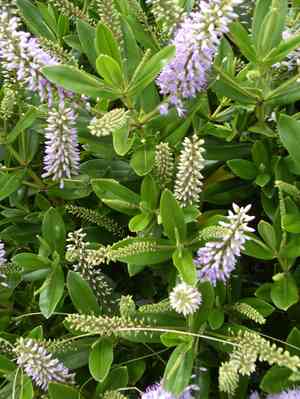
New Zealand hebe (Veronica speciosa)
Also known as: Showy-speedwell, Titirangi
The New Zealand Hebe, scientifically known as *Veronica speciosa* or *Hebe speciosa*, is a native plant species of New Zealand that belongs to the plantain family. It produces flowers from summer through fall and is particularly attractive to bees.
In This Article
Attributes of New Zealand hebe
Lifespan
Perennial
Plant Type
Shrub
Plant Height
1 m to 2 m
Spread
90 cm to 1.2 m
Leaf Color
Green
Flower Size
1 cm
Flower Color
Red Pink Purple Mauve
Images of New Zealand hebe
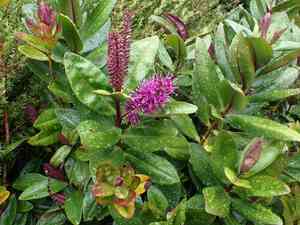
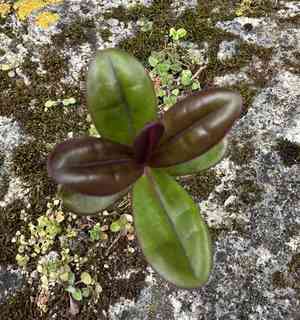
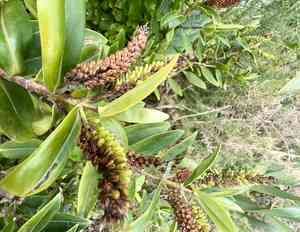
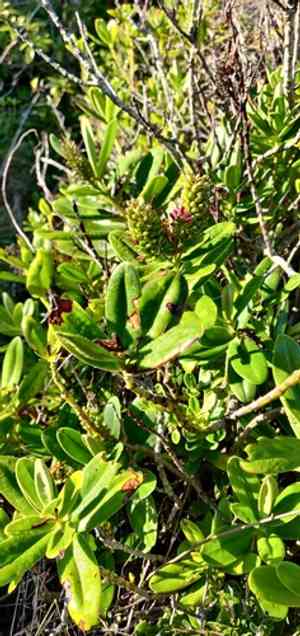
Quickly Identify New Zealand hebe
1
Look for a shrub with glossy, oval-shaped leaves and clusters of vibrant, deep purple flowers. The plant typically has a dense, bushy growth habit.
Scientific Classification of New Zealand hebe
Phylum
Vascular plants
Class
Dicotyledons
Order
Lamiales
Family
Plantain
Genus
Speedwells
Species
New Zealand hebe
Planting and Growing of New Zealand hebe
Care Difficulty
Easy
Watering Schedule
Every 8 days
Sunlight Requirements
Partial sun
Sunshine Duration
6-10 hours
Ideal Temperature
60-75℉
Soil Type
Potting Mix, Peat Mix
Soil pH
6.5-7.5
Fertilizer Type
Balanced
Pruning Season
Spring, Summer
Pruning Area
Branches, Leaves
Pruning Frequency
2 times a year
Repotting Season
Spring
Pot Type
Plastic, Ceramic
 How to Water New Zealand hebe?
When watering Veronica speciosa, it's essential to ensure that the soil is moist but not waterlogged. The aim is to completely soak the root zone, allowing the water to penetrate deeply. This will encourage the roots to grow downwards, enhancing the plant's stability and access to nutrients. Water until you notice it draining from the bottom of the pot, which typically requires about 500 milliliters each time, depending on the size of the container.
What are the symptoms of an underwatered New Zealand hebe?
›
What should I do if my New Zealand hebe is not getting enough water?
›
What are the symptoms of an overwatered New Zealand hebe?
›
How to save an overwatered New Zealand hebe?
›
 What Are the Sunlight Requirements for New Zealand hebe?
Partial sun provides Veronica speciosa with optimal growth conditions. This range promotes lush foliage and ensures continuous, vibrant blooms, contributing to its aesthetic and health advantages.
More About Sunlight Requirements Techniques→
Question 1: How to achieve ideal lighting conditions?
›
Question 2: What are the practical steps to achieve it?
›
Question 3: What benefits does the plant gain from ideal lighting?
›
 What Is the Ideal Temperature Range for New Zealand hebe?
The ideal temperature range for cultivating Veronica speciosa falls between 60°F and 75°F. This range ensures optimal growth and blooming, supporting the plant's metabolic processes efficiently. Keeping temperatures within this range minimizes stress and encourages healthy foliar and root development in the plant.
 What Soil is Best for New Zealand hebe?
Veronica speciosa thrives in well-drained soils as it prevents waterlogging, which is detrimental to root health. Good drainage ensures the roots oxygenate adequately, promoting healthy plant growth and vibrant blooms. A soil enriched with organic matter is ideal for Veronica speciosa, as it provides the nutrients necessary for robust growth. This nutrient availability supports a lush, green foliage and an extended flowering period. Soil with moderate moisture retention is crucial, ensuring that the plant receives sufficient water without excess that could lead to root rot. Balanced moisture supports steady and sustained plant vigor.
 How to Fertilize New Zealand hebe?
Veronica speciosa, commonly known as Hebe, thrives on a balanced nutrient intake. For liquid fertilizers, ensure that you dilute them to half their recommended strength to avoid overwhelming the plants. On the other hand, when applying slow-release fertilizers, use around 50 grams per square meter to provide a steady nutrient supply.
 How to Prune New Zealand hebe?
Always use sharp, clean pruning shears to prevent plant damage and reduce the potential spread of disease. Disinfect tools before and after use. Do not prune Veronica speciosa in winter, as the plant may struggle to recover from cuts in cold weather. Focus on spring, summer, and autumn for healthier results. Be cautious not to prune flowering buds, especially if you want to enjoy the vibrant blossoms. Pruning right after flowering can prevent accidental removal of next season's blooms. Avoid pruning during periods of extreme weather, such as heatwaves or storms, as plant stress can lead to damage and impaired recovery.
More About Pruning Techniques→
 How to Propagate New Zealand hebe plant?
1
Select healthy stems from the plant, ensuring they have at least a few leaf nodes. Cut the stem at a 45-degree angle and remove the lower leaves to reduce moisture loss.
2
Plant the seeds in prepared seed trays filled with a well-draining soil mix. Cover them lightly with soil, water gently, and maintain a warm temperature to encourage germination.
3
Place the cuttings in a potting mix that retains moisture well. Keep them in a shady area and maintain high humidity to promote root development.
 How to Repot New Zealand hebe plant?
1
Veronica speciosa shows signs that it's ready for repotting when growth becomes stunted, roots start emerging from the drainage holes, or the soil dries out faster than usual. These are signals that the roots have outgrown their current container and need more space to thrive.
2
Select a pot that is one to two sizes larger than the current one. Ensure it has drainage holes to prevent waterlogging, which can lead to root rot. A slightly larger pot allows the roots room to expand, encouraging healthier growth and preventing the plant from becoming root-bound again too soon.
3
Use a well-draining potting mix, ideally one suited for flowering plants. A mix that includes perlite or sand can help improve drainage, mimicking conditions that allow Veronica speciosa to absorb nutrients efficiently while avoiding root rot caused by waterlogged soil.
Learn More About New Zealand hebe Diseases
Anthracnose
Bacterial Leaf Spot
Bacterial Soft Rot
Bacterial Wilt
Crown Gall
Cyst Nematode
Damping-off
Downy Mildew
Drought Stress
Fusarium Wilt
Gray Mold
Leaf Curl
Leaf Spot
Mosaic
Nutrient Deficiency
Nutrient Toxicity
Powdery Mildew
Root Rot
Root-knot Nematode
Rusts
Sooty Mold
Spider Mites
Temperature Stress
Thrips Damage
White Mold



