Enhancing Your Garden Design with the New Zealand hebe Plant: A Landscaping Guide
1
Hebe from New Zealand is remarkably adaptable and suits diverse garden aesthetics.
2
New Zealand hebe flourishes across various weather conditions and times of year, making it a robust plant choice.
3
Planting companions alongside New Zealand hebe can improve your garden's general well-being and visual appeal.
Introducing New Zealand Hebe in Garden Design
Why is New Zealand hebe a preferred choice for contemporary garden design?
New Zealand hebe has become a favored option for modern garden design due to its adaptability and visual appeal. This plant is recognized for its striking foliage and vibrant blooms, making it a visually impressive addition to any garden. Furthermore, New Zealand hebe requires relatively little upkeep, making it an ideal selection for both new and seasoned gardeners. Its capacity to thrive in various soil types and conditions offers garden designers flexibility in its application.
Exploring the visual charm of New Zealand hebe
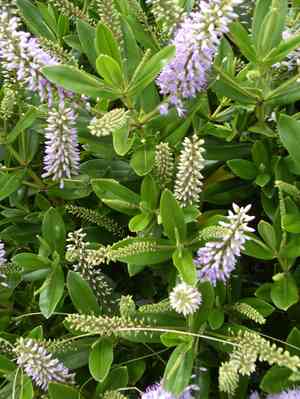
The visual charm of New Zealand hebe is undeniable. Its lush, dense leaves provide a beautiful green backdrop year-round, and when it flowers, the garden bursts with color. The plant's compact and rounded growth habit is perfect for creating structured forms in garden layouts, while its blossoms attract pollinators, adding another dimension of life and activity to your landscape. Whether used as a central feature or as part of a mixed border, New Zealand hebe can elevate any garden's aesthetic.
Integrating New Zealand Hebe into Diverse Landscape Styles
Harmonizing New Zealand hebe within formal garden settings
In formal garden environments, symmetry and order are crucial. New Zealand hebe seamlessly fits this aesthetic due to its neat and consistent growth pattern. It can be utilized to line walkways, define garden beds, or form geometric shapes that enhance the overall structure and formality of the garden design. Combining New Zealand hebe with other structured plants like boxwoods can create a visually cohesive and refined garden space.
Utilizing New Zealand hebe in modern landscape designs
New Zealand hebe is equally suitable for contemporary garden landscapes. Its modern appeal stems from its clean lines and vivid color, making it a perfect match for sleek and minimalist garden designs. Pair New Zealand hebe with ornamental grasses and stones to achieve a chic, modern look. The plant can also be grown in containers for patio gardens, adding a touch of greenery and color without detracting from the modern aesthetic.
Incorporating New Zealand hebe into natural and wild garden themes
For those who prefer a more natural and wild garden theme, New Zealand hebe remains an excellent option. Its resilience and adaptability make it a great companion for native plants and wildflowers. Planting New Zealand hebe alongside ferns, grasses, and other perennials can create a lush, wild garden environment that feels untamed yet beautiful. The plant's flowers will blend beautifully with the soft, flowing forms of wild garden styles, contributing to a serene and natural landscape.
Seasonal Considerations for New Zealand Hebe
What are the optimal times of year for planting New Zealand hebe?
Timing is crucial when it comes to planting New Zealand hebe. The best periods for planting are during the cooler months of spring and autumn. This allows the plant to establish its root system before the extremes of summer heat or winter cold arrive. Early spring planting is ideal as it provides New Zealand hebe ample time to develop strong roots, which helps it endure the hotter months. Similarly, planting in autumn allows the plant to settle and prepare for the subsequent growing season when it can flourish.
New Zealand hebe's adaptability across seasons
New Zealand hebe is remarkably adaptable throughout different seasons, making it a dependable addition to your garden year-round. In spring and summer, it produces vibrant blooms that add splashes of color to your landscape. During autumn, its foliage can provide a rich, deep green that contrasts beautifully with the season's changing colors. In winter, while many plants fade, New Zealand hebe can maintain its structure and appeal, offering year-round interest. Its evergreen nature ensures that your garden remains lively and attractive even in the colder months.
Companion Planting with New Zealand Hebe
Ideal companions for New Zealand hebe in your garden
Selecting the right companion plants for New Zealand hebe can enhance its growth and the overall health of your garden. Consider pairing New Zealand hebe with plants that have similar water and sunlight requirements. Lavender, rosemary, and ornamental grasses are excellent choices. These plants not only complement New Zealand hebe aesthetically but also help create a balanced ecosystem, which can reduce the need for frequent watering and fertilizing. Additionally, companion planting can attract beneficial insects and pollinators, aiding in pest control and plant health.
Tips for arrangement and spacing with companion plants
When it comes to arrangement and spacing, providing New Zealand hebe with sufficient room to grow is essential. Space New Zealand hebe plants at least 12-18 inches apart to ensure adequate air circulation and prevent overcrowding, which can lead to diseases. In a mixed border, position taller companion plants behind New Zealand hebe and shorter ones in front to create a tiered effect that maximizes visual interest. Be mindful of the growth habits of the companion plants to ensure they do not overshadow or outcompete New Zealand hebe for resources.
Design Tips: Highlighting New Zealand Hebe in Your Landscape
How to make New Zealand hebe the central feature of your garden
Making New Zealand hebe the central feature of your garden can be achieved through strategic placement and design elements. Position New Zealand hebe in a prominent location where it can draw the eye, such as at the end of a pathway or in the center of a circular bed. Surround it with contrasting plants that highlight its unique features and colors. Utilizing garden ornaments or structures like trellises can also help emphasize New Zealand hebe as a focal point. Proper lighting can enhance its visibility and beauty, especially when illuminated during the evening.
Balancing color and texture with New Zealand hebe
Balancing color and texture in your garden with New Zealand hebe involves thoughtful pairing with other plants and elements. The rich green foliage of New Zealand hebe pairs well with plants that have strikingly different colors and textures, such as silvery-leaved plants or those with large, bold foliage. This contrast can create a dynamic and engaging visual effect. Additionally, incorporating elements like gravel paths, wooden structures, or water features can further enhance the textural and color balance in your landscape.
Innovative placement ideas for New Zealand hebe
Innovative placement of New Zealand hebe can truly showcase its beauty and versatility. Consider using New Zealand hebe in layered planting schemes, where different heights and densities create depth and interest. Plant New Zealand hebe in raised beds or along the edges of garden steps to make it more prominent. Another creative idea is to use New Zealand hebe in vertical gardens or green walls, which can add a modern touch and make use of limited space. By experimenting with different placements, you can find unique ways to incorporate New Zealand hebe into your landscape design.



