How to Prune New Zealand hebe?
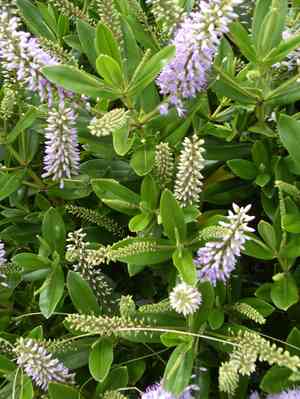
Featuring impressive floral spikes and persistent leaves, the New Zealand hebe is a robust shrub indigenous to New Zealand. Perform a gentle trim following blooming to preserve its form and encourage compact development. Eliminate any lifeless or ailing branches in early spring or winter to ensure the plant's well-being. Trimming during these periods reduces strain on the New Zealand hebe, boosting its capacity to flower and inhibiting the dissemination of diseases. Refrain from severe cutting to avert harm to its woody framework.
What Are the Benefits of Pruning New Zealand Hebe?
What Are the Benefits of Pruning New Zealand Hebe?
Trimming new Zealand hebe promotes more abundant flowering and robust development by eliminating faded blossoms and diseased wood. This method also helps prevent pest infestations and fungal ailments, ensuring new Zealand hebe flourishes vigorously.
What Is the Best Time for Pruning New Zealand Hebe?
What Is the Best Time for Pruning New Zealand Hebe?
Trimming new Zealand hebe in early spring or late winter is recommended due to various growth and health factors. Early spring, just before the start of the new growth period, is optimal because the plant remains dormant, meaning cuts will heal quickly without disrupting active growth or depleting the plant's energy reserves. It also allows gardeners to clear any winter damage, such as broken or diseased branches, right as the plant prepares to channel energy into new growth. Pruning in late winter offers similar advantages, preparing new Zealand hebe for a strong growing season by removing old or damaged wood, thereby preventing disease and fostering healthier, more manageable growth that enhances future flowering.
What Tools Do I Need to Prune New Zealand Hebe?
Bypass Pruners
Perfect for making clean cuts through green, living stems without crushing plant tissues, which is crucial for the well-being of new Zealand hebe.
Hand Shears
Suitable for shaping new Zealand hebe and trimming small branches, thereby maintaining the desired form and encouraging denser growth.
How to Prune New Zealand Hebe
Clean Tools
Sanitize pruning shears with alcohol or a bleach solution to prevent disease transmission during the trimming process.
Remove Diseased And Dead Material
Carefully cut away all diseased leaves and branches, as well as withered foliage, flowers, and dead branches from new Zealand hebe, ensuring clean cuts that don't tear the stems.
Shape Plant
Trim excessive growth branches to maintain the natural form of new Zealand hebe, cutting just above a leaf set or side branch to promote dense, lush development.
Thin Out Dense Areas
Reduce density in areas of new Zealand hebe where growth is too thick to allow light and air to reach the plant's center, which lowers the risk of disease.
Clean Up
Gather and dispose of all trimmings to minimize the risk of disease and decay organisms around new Zealand hebe.
Common Pruning Mistakes with New Zealand Hebe
Over-Pruning
Removing too much growth at once can stress new Zealand hebe, potentially leading to weaker plants and reduced flowering. Aim to remove no more than one-third of the growth at a time.
Cutting At Incorrect Angles
Improper cutting angles can create larger wounds that take longer to heal, increasing the risk of disease. Make clean cuts at a 45-degree angle just above a leaf set or node.
Tearing Or Ripping Stems
Using dull tools or incorrect technique can cause tearing, which damages new Zealand hebe's vascular system. Always use sharp, clean pruning shears.
Pruning For Size Reduction Only
Focusing solely on reducing new Zealand hebe's size without considering its shape and health can result in an unattractive and unhealthy plant. Pruning should also maintain the plant's natural form and encourage airflow within the canopy.
Disregarding Plant Health
Pruning without first assessing new Zealand hebe's health may remove growth essential for the plant's energy production, especially in weakened plants. Always evaluate plant vigor before making cuts.
Common Pruning Tips for New Zealand Hebe
Selective Thinning
Encourage new growth and improved air circulation by selectively removing older, less productive stems from the plant's base.
Promoting New Buds
Encourage flowering by cutting just above a leaf set or node where new buds will form. This technique stimulates new Zealand hebe to produce new, vigorous branches capable of supporting blooms.
Shape Maintenance
Maintain the natural shape of new Zealand hebe by trimming wayward or crossing branches that disrupt the plant's symmetry and could create friction wounds.
Rejuvenation Pruning
If new Zealand hebe becomes leggy or sparse, consider rejuvenation pruning, which involves cutting the plant back significantly to promote dense, fresh growth from the base.
Deadheading
Remove spent flowers to direct new Zealand hebe's energy into new growth and blooms rather than seed production. This practice can encourage a second flush of flowers in some varieties.



