How Much Sunlight Do New Zealand hebe Need?
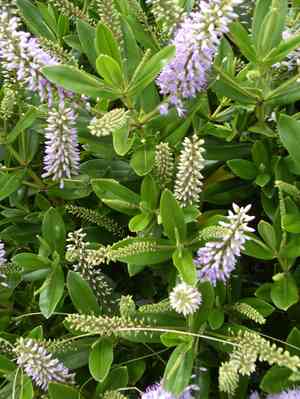
1
New Zealand hebe flourishes with more than six hours of direct sun each day.
2
It can endure some shade, though this might impact its flowering capacity.
3
Inside, position your New Zealand hebe close to a well-lit, south-facing window.
Ideal Light Conditions for New Zealand Hebe
Full Sun Requirements
For New Zealand hebe to thrive splendidly, it requires exposure to full sunlight for a minimum of six hours daily. Greater direct sun exposure leads to more vibrant and abundant blooms. Placing the plant where it receives continuous sunlight from morning until afternoon is perfect.
Partial Shade Tolerance
While New Zealand hebe flourishes best in full sun, it is adaptable and can endure some partial shade. If your location offers only four to six hours of sunlight, the plant will still grow, though with slightly reduced flowering. In warmer climates, a bit of afternoon shade can prevent leaf scorching.
Indoor vs Outdoor Light Needs
When cultivating New Zealand hebe indoors, light is a critical element. Position the plant near a south-facing window to receive bright, indirect light for most of the day. Supplementing natural light with artificial grow lights can also ensure adequate illumination, especially during shorter winter days.
Selecting the Optimal Spot for Your New Zealand Hebe
Assessing Your Garden's Sunlight Pattern
Understanding your garden's sun exposure is crucial. Dedicate a day to observing different areas of your garden to identify where the sun shines most. Note locations that receive prolonged direct sunlight versus those shaded part of the day. This evaluation will help you choose the perfect site for your New Zealand hebe.
Ideal Garden Locations
The best garden spot for New Zealand hebe is one that gets full morning and early afternoon sun. South and west-facing areas typically offer the most consistent light. Avoid placing the plant beneath large trees or structures that cast extensive shadows, which could limit its sun exposure.
Indoor Window Placement
Indoors, strategically position your New Zealand hebe near windows that receive ample sunlight. A south-facing window is ideal as it usually provides the most consistent light. East-facing windows can also work, offering gentle morning sun. Keep the plant close enough to the window for light benefits but not so near it risks scorching.
Impact of Light Extremes on New Zealand Hebe
Signs of Sunlight Stress
Excessive sunlight can cause stress to your New Zealand hebe. Watch for symptoms like yellowing leaves, brown edges, or sunburn spots on the foliage. If the plant appears wilted during peak sun hours, it might be getting too much direct light and could benefit from some midday shade.
Symptoms of Insufficient Light
Inadequate sunlight can result in etiolated growth, where the plant stretches toward the light, leading to spindly and sparse foliage. You might also observe fewer blooms and a generally weak appearance. Ensuring your New Zealand hebe receives enough light is vital for maintaining its health and vigor.
Adjusting Lighting Conditions
To optimize lighting, consider relocating the plant to a sunnier spot if it shows signs of insufficient light. Conversely, if it exhibits sun stress, providing some shade during the hottest part of the day can help. Indoors, using sheer curtains to filter intense sunlight can prevent scorching while still offering bright light.
Seasonal Light Requirements for New Zealand Hebe
Summer Sunlight Adjustments
During summer, sunlight intensity increases, and your New Zealand hebe might require some midday shade, especially in extremely hot climates. You can use shade cloths or place the plant where it receives dappled light to prevent overheating and ensure optimal growth.
Winter Light Requirements
In winter, with shorter days and less intense sunlight, New Zealand hebe will benefit from maximum light exposure. Ensure it receives the most light possible by positioning it in the brightest indoor spot. If natural light is insufficient, consider using grow lights to supplement and keep the plant healthy.
Adapting to Seasonal Changes
Adapting your New Zealand hebe to seasonal light changes is crucial for its development. During transitional months, gradually move the plant to adjust to varying light conditions. For instance, begin providing some shade in spring as summer approaches, and gradually increase exposure in fall as winter nears.
Utilizing Artificial Light for New Zealand Hebe
Best Types of Grow Lights
Fluorescent grow lights or full-spectrum LED lights are excellent choices for providing the extra light New Zealand hebe needs indoors. These lights mimic natural sunlight and help the plant maintain its health and vitality in less-than-ideal indoor lighting conditions.
Proper Light Positioning
Position the grow lights approximately 30-45 cm (12-18 inches) above the plant to ensure it receives even and adequate light without the risk of burning. Adjustments may be necessary based on the plant's response, ensuring no direct heat stresses the foliage.
Duration of Artificial Light Use
Aim to provide about 12-16 hours of artificial light daily to replicate natural sunlight cycles, especially during winter months. Use a timer to maintain a consistent schedule, ensuring your New Zealand hebe gets the correct amount of light to flourish.



