The New Zealand hebe Plant Advantage: Maximizing Home and Office Appeal and Wellness
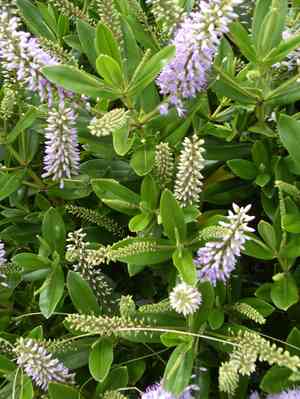
1
New Zealand hebe draws in helpful pollinators such as bees and butterflies.
2
This plant provides continuous foliage, keeping gardens lively even during colder months.
3
New Zealand hebe is remarkably hardy and withstands severe weather.
What Are the Ecological Benefits of New Zealand hebe?
Attraction of Pollinators
A key advantage of New Zealand hebe is its capacity to draw in beneficial pollinators, such as bees, butterflies, and certain bird species. These pollinators are crucial for the reproduction of flowering plants within the ecosystem. The presence of New Zealand hebe can therefore enhance biodiversity in your garden, fostering a more balanced and thriving environment.
Support for Wildlife
New Zealand hebe also serves as a sanctuary for various small creatures. Its dense foliage offers shelter and nesting spots for insects and birds. By cultivating New Zealand hebe, you contribute to local wildlife preservation efforts, providing not only a food source but also a secure habitat.
How Does New Zealand hebe Improve Garden Aesthetics?
Year-Round Greenery
One of the most appealing features of New Zealand hebe for gardeners is its ability to retain its vibrant green leaves throughout the entire year. While other plants may shed their leaves or enter dormancy in colder months, New Zealand hebe ensures your garden remains lush and appealing, even in winter.
Versatile Landscaping Options
New Zealand hebe is highly adaptable, suitable for diverse landscaping uses. Whether employed as a border plant, for foundation plantings, or in mixed beds, New Zealand hebe can beautifully complement other plants and garden elements. Its compact growth habit makes it an excellent selection for both expansive landscapes and small urban gardens.
What Makes New Zealand hebe Easy to Maintain?
Tolerance to Harsh Conditions
Another significant benefit of New Zealand hebe is its hardiness. This plant is well-suited to withstand a range of severe weather conditions, including strong winds, salt spray, and even drought. This resilience makes it an ideal choice for coastal gardens and other challenging environments.
Minimal Pruning Requirements
New Zealand hebe demands little upkeep compared to other garden plants. Pruning is generally only needed to shape the plant or remove any dead or damaged branches. Its slow to moderate growth rate means it maintains its form well, reducing the need for frequent trimming.
How Can New Zealand hebe Improve Soil Health?
Erosion Control
With its robust root system, New Zealand hebe can effectively stabilize soil, making it a valuable plant for preventing erosion. This is especially important for sloped gardens or areas near water bodies, where soil erosion can be a significant concern.
Soil Enrichment
New Zealand hebe also contributes to enriching the soil. The leaf litter it produces can help boost soil organic matter, improving soil fertility and structure over time. This natural enrichment can lessen the need for chemical fertilizers, promoting a more sustainable gardening practice.
Can New Zealand hebe Be Used in Container Gardening?
Ideal for Small Spaces
New Zealand hebe is an excellent option for container gardening, making it suitable for patios, balconies, and other confined areas. Its compact growth and low maintenance needs mean it thrives well in pots or containers, provided it receives adequate sunlight and water.
Portable and Versatile
Utilizing New Zealand hebe in containers allows for greater flexibility in garden design. You can relocate the plants as needed to create seasonal displays or optimize growing conditions. This portability simplifies pest management, adjustment to changing light levels, or protection of plants from extreme weather.



