How to Propagate New Zealand hebe?
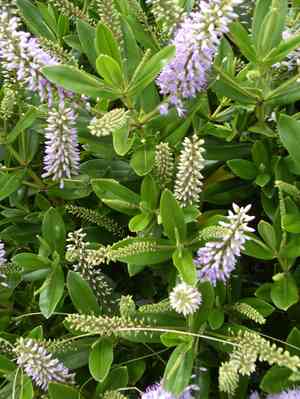
For successful cultivation of new Zealand hebe, propagation through stem sections is advised. To achieve the best outcomes, select robust and healthy semi-hardwood stems. Take a segment roughly 4-6 inches long and strip the lower foliage to reveal the nodes. Applying rooting compound to the severed end can stimulate root formation. Insert the cutting into a well-draining substrate, making sure the nodes are covered, as this is where roots will emerge. Keep the soil consistently moist and provide diffused light until the root system is established. After rooting, new Zealand hebe needs consistent hydration and shelter from harsh environments to flourish.
Optimal Time for New Zealand Hebe Propagation
Propagation Type
Cutting
Propagation Season
Spring,Summer
Tools for New Zealand Hebe Propagation
Sharp pruning shears
Pruning shears are vital for taking cuttings from new Zealand hebe, ensuring clean, precise cuts that reduce harm to the parent plant and boost the cuttings' survival rates. Sharpness is key to prevent crushing plant tissues, which can lead to infection and poor root growth.
Rooting hormone powder or gel
Rooting hormone is utilized to enhance the success rate of root development when propagating new Zealand hebe via cuttings. This hormone stimulates root formation, shortening the time for cuttings to establish and increasing overall propagation success.
Sterilized potting mix
A well-draining, sterile potting mix offers an ideal setting for new Zealand hebe cuttings to root. Sterility helps prevent soil-borne diseases that could harm delicate cuttings, and its texture ensures adequate air circulation and moisture retention crucial for root development.
Propagation trays
These trays are used to hold new Zealand hebe cuttings securely while they root. Trays should offer sufficient drainage and depth to support initial root growth. Additionally, trays can be covered to maintain high humidity levels around the cuttings, which aids their development.
Misting bottle
A misting bottle is employed to gently water new Zealand hebe cuttings, keeping them adequately moist without disturbing developing roots with heavy watering. Regular misting helps maintain optimal humidity, essential for the cuttings' survival and root development.
New Zealand Hebe Propagation Method
Propagation Type
Moderately Difficult
Post-Propagation Care for New Zealand Hebe
How to Care for Your Newly Propagated New Zealand Hebe?
After propagation, new Zealand hebe needs a sunny spot with some afternoon shade to flourish. It prefers well-draining soil and should be watered regularly but not excessively, allowing the soil to dry slightly between waterings. Fertilize lightly during the growing season. Protect from extreme cold and prune annually to maintain shape and encourage bushier growth.
Common Errors to Avoid When Propagating New Zealand Hebe
Overwatering cuttings
Excessive moisture can cause root rot or fungal infections before new Zealand hebe cuttings can establish roots, hindering propagation efforts.
Using dull cutting tools
Blunt tools can damage new Zealand hebe stem tissues, making it harder for cuttings to root and increasing the risk of disease transmission.
Cutting at wrong node locations
Incorrect cutting placement may lead to unsuccessful root development or poor growth in new Zealand hebe, as certain nodes are more effective for rooting hormones.
Neglecting hygiene
Failing to sterilize equipment or use clean pots and soil can introduce pathogens to new Zealand hebe cuttings, impairing growth and health.
Ignoring humidity needs
New Zealand hebe cuttings require a specific humidity level to root successfully. A lack of a humid environment can cause the cuttings to dry out and perish.
Tips for Propagating New Zealand Hebe
Use sharp, clean cuttings tools
Sharp and sterilized cutting tools ensure a clean cut and minimize damage to new Zealand hebe cuttings, promoting better root development and reducing disease risk.
Select healthy parent plants
Choosing disease-free and vigorous new Zealand hebe specimens as sources for cuttings increases the likelihood of successful propagation and healthy offspring.
Choose the right cuttings
Opting for semi-hardwood or softwood cuttings from new Zealand hebe ensures a better rooting chance since these types are typically more responsive to root formation.
Maintain appropriate moisture
Keeping the new Zealand hebe cuttings moist (but not waterlogged) creates optimal conditions for root growth without risking rot or infection.
Use rooting hormone
Applying rooting hormone to new Zealand hebe cuttings can stimulate root growth and improve the chances of successful propagation.
Provide indirect light
Offering new Zealand hebe cuttings access to bright, indirect sunlight supports photosynthesis and growth while protecting them from the stress of direct, intense light.



