How to Transplant Deerberry?
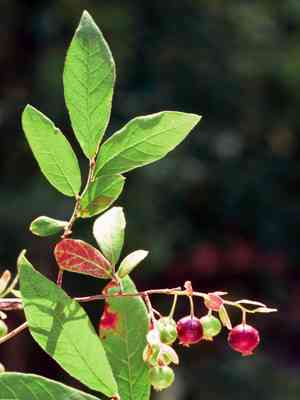
For deerberry, the ideal period for revitalization, usually in early spring, provides an excellent environment for root development without the strain of harsh temperatures. Position deerberry in soil that drains effectively, in locations with filtered sunlight, and guarantee steady hydration after transplanting for the best adaptation.
What Preparations are Needed Before Transplanting Deerberry?
What is the Ideal Time for Transplanting Deerberry?
The optimal time to move deerberry is during the spring season. This period benefits from mild temperatures and increasing daylight, promoting strong root development before the summer heat. Transplanting deerberry now ensures it receives ample spring rains, which assist in natural hydration and lessen transplant shock, encouraging vigorous growth. Choosing springtime for this task provides deerberry with the best start in its new spot, setting the stage for robust development and future blooms.
How Much Space Should You Leave Between Deerberry Plants?
It's wise to provide your deerberry ample room to expand. Aim to space them 1-2 feet (30-60 cm) apart when relocating. This will allow the roots sufficient area and falls well within the recommended range.
What is the Best Soil Mix for Deerberry Transplanting?
The deerberry thrives in well-drained soil, ideally sandy or loamy. Incorporate some foundational fertilizer before planting – compost or a slow-release granular fertilizer would be effective. This will supply the nutrients your deerberry needs to settle in comfortably.
Where Should You Relocate Your Deerberry?
When selecting a site for your deerberry, seek out a location that gets partial to full sunlight throughout the day. This plant loves bright conditions! The more light it receives, the healthier it will be.
What Equipments Should You Prepare Before Transplantation Deerberry?
Gardening Gloves
These will safeguard your hands while handling soil and plants.
Shovel or Spade
Utilize this for excavating holes and lifting the plant.
Garden Trowel
Perfect for carefully removing soil around the plant to expose the root ball with minimal damage.
Pruning Shears
Useful for trimming any dead foliage or branches from the deerberry prior to transplanting.
Watering Can or Hose
Essential for pre-watering the plant, moistening the new planting site, and subsequent irrigation after transplanting.
Wheelbarrow or Tarp
Helpful for transporting the deerberry from its original spot to the new location.
Organic Compost
To enhance soil structure, boost its nutrient content, and improve its water retention for better deerberry growth.
How Do You Remove Deerberry from the Soil?
How Do You Remove Deerberry from the Soil?
From Ground: Start by thoroughly watering the deerberry plant. This moistens the soil, making extraction easier. Using a shovel or spade, dig a wide circle around the plant. Ensure the plant's root ball remains intact. Carefully work the spade beneath the root ball to lift the plant. Use a wheelbarrow or tarp for transport to the new site.From Pot: If the deerberry is in a container, water it first. Tilt the pot sideways, grasp the plant by its base, and gently pull. It should slide out with the soil and root ball. If not, try tapping the bottom of the pot to loosen the soil. An alternative is to cut the pot away from the plant if necessary.From Seedling Tray: Moisten the soil in the seedling tray. Carefully hold the deerberry by its leaves (not the stem) and gently pull. Use a garden trowel if needed, to help ease out the root ball without harming the roots.
Step-by-Step Guide for Transplanting Deerberry
Preparation
Begin by preparing the new planting hole. It should be twice the width and the same depth as the root ball of your deerberry plant. Add some organic compost at the bottom of the hole for improved nutrient supply.
Planting
Place the deerberry in the hole and backfill with the excavated soil. Mix it with compost to provide additional nutrients. Ensure the plant is at the same soil level as it was previously; do not bury it too deeply or too shallowly.
Watering
After transplanting, water the deerberry thoroughly. This helps to settle the soil and establish contact between the plant roots and the surrounding earth.
Trimming
Trim any dead leaves or branches from the deerberry to direct more energy towards root establishment and overall growth.
How Do You Care For Deerberry After Transplanting?
Monitoring
Inspect the deerberry regularly for the initial few weeks. Watch for signs of transplant shock such as wilting, yellowing leaves, or a lack of growth.
Watering
Water the deerberry consistently to maintain even soil moisture. Avoid over-watering; the soil should be damp, not waterlogged.
Mulching
Apply a layer of organic mulch around the plant, but keep it away from the stem. This helps retain soil moisture and suppress weed growth.
Fertilizing
After a few weeks, feed the deerberry with a balanced, slow-release granular fertilizer. Avoid fertilizing immediately after transplanting, as this may cause root burn.
Troubleshooting Common Issues with Deerberry Transplantation.
When is the best time to transplant deerberry?
The ideal period to transplant deerberry is during the spring to early autumn seasons. This allows the plant to establish roots before the winter months.
What is a good soil type for transplanting deerberry?
Deerberry requires well-draining soil with a pH range of 4.5-6.5. The soil should also be rich in organic matter to encourage healthy root development.
What is the proper spacing for transplanting deerberry?
When transplanting deerberry, ensure there's approximately 1-2 feet (30-60 cm) of space between each plant. This provides ample room for each plant to grow and expand.
What should I do if my transplanted deerberry isn't growing well?
Ensure your deerberry is receiving adequate sunlight and water, and that soil conditions are appropriate. If issues persist, consider testing your soil or consulting a local horticultural expert.
How much sun does a transplanted deerberry require?
Deerberry thrives in full sunlight to partial shade. It needs at least 4-6 hours of direct sunlight daily for optimal growth.
How frequently should I water my recently transplanted deerberry?
Recently transplanted deerberry needs regular watering until it develops a strong root system. However, be careful not to overwater and cause root rot.
How deep should the hole be when transplanting deerberry?
The hole should be twice as wide and the same depth as the root ball of deerberry. This ensures the plant has sufficient space to develop a healthy root system.
What should I do if the leaves of my transplanted deerberry turn yellow?
Yellow leaves may indicate overwatering, insufficient sunlight, or an incorrect soil pH. Adjust these conditions accordingly and remove affected leaves to promote new growth.
Can I use fertilizer while transplanting deerberry?
Yes, a slow-release fertilizer can be beneficial when transplanting deerberry. Apply according to the product's instructions and adjust based on the plant's response.
Is it okay to transplant deerberry under or near larger plants or trees?
Transplanting deerberry under larger plants or trees is not recommended as it may deprive deerberry of essential sunlight and water resources. Ensure deerberry is planted in an open, spacious area.



