How to Prune Deerberry?
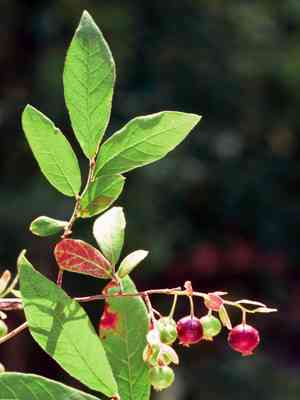
Indigenous to North America, deerberry is recognized by its white-to-pink campanulate flowers and blue-to-black fruit. Successful trimming entails reducing crowded branches and eliminating any lifeless or ailing wood to improve light exposure and air movement. The best periods for pruning are from late spring to early summer, following the blooming phase, to prevent interfering with the formation of the subsequent season's buds. Trimming deerberry fosters vigorous development and berry yield, and preserves an appealing form, guaranteeing resilience against infestations and ailments.
What Are the Benefits of Pruning Deerberry?
What Are the Benefits of Pruning Deerberry?
Trimming deerberry promotes more abundant blooms and enhances resistance to pests and illnesses, leading to healthier development and extended life.
What Is the Best Time for Pruning Deerberry?
What Is the Best Time for Pruning Deerberry?
These periods are considered ideal for pruning because late spring pruning coincides with deerberry's post-flowering phase, ensuring the blooming process isn't interrupted and fruit production potential is maintained. Additionally, early summer pruning allows for shaping and size management after the main growth spurt. This timing reduces the risk of frost damage to new growth, which should have hardened by late spring. It also prevents the removal of buds set for the following year's flowers, which typically form later in summer or fall. Pruning during these seasons helps the plant maintain a healthy structure, encourages vigorous growth, improves light penetration and air circulation within the canopy, and can help prevent diseases and pests that might affect the plant's overall health.
What Tools Do I Need to Prune Deerberry?
Hand Pruners
Excellent for trimming smaller stems and twigs on deerberry, especially for detailed work and reaching into dense foliage.
Loppers
Perfect for cutting thicker branches that hand pruners can't manage, offering leverage and reach for branches up to 1.5 inches in diameter.
Pruning Saw
Recommended for removing large branches from mature deerberry bushes when loppers are insufficient; a folding saw can be more convenient and safer.
Gloves
Crucial for protecting the gardener's hands from thorns and rough bark while pruning deerberry.
Pruning Shears
Useful for shaping the plant and making clean cuts to encourage healthy growth of deerberry.
Garden Sanitizer
Ensures pruning tools are disinfected before and after use to prevent the spread of disease in deerberry plants.
How to Prune Deerberry
Step1: Assessment of Plant for Pruning Needs
Evaluate deerberry to identify all dead wood, diseased sections, and old growth that require pruning. This should be done in late winter or early spring before new growth begins.
Step2: Sterilization of Pruning Tools
Sanitize pruning tools with a solution of 1 part bleach to 9 parts water or use rubbing alcohol to prevent disease transmission.
Step3: Removal of Dead Wood
Start by removing dead wood. Cut dead branches where they meet healthy wood, ensuring a clean, slightly angled cut to prevent water accumulation and rot.
Step4: Elimination of Diseased Plant Parts
Identify and remove diseased parts. Make cuts well below the affected area, at least 3 to 5 inches into healthy tissue, to ensure all diseased material is gone. Dispose of diseased clippings immediately to prevent further contamination.
Step5: Pruning for Growth and Airflow
Prune old growth to encourage vigorous new growth and improve air circulation. Cut back old stems to a healthy side shoot or bud. For older, underperforming wood, remove up to one-third of these stems at their base to rejuvenate the plant.
Step6: Shaping the Plant Post-Pruning
Shape deerberry after removing dead, diseased, and old growth. Aim for a balanced, open form that allows light to penetrate the plant's interior. Do not cut into woody parts of the plant that lack leaves or buds, as they may not regrow.
Step7: Cleanup of Pruning Debris
Clear all debris from around the base of deerberry to prevent any diseases or pests harbored in the clippings from affecting the plant.
Step8: Post-Pruning Plant Hydration
Water deerberry to help reduce plant stress after pruning and to support new growth.
Step9: Fertilization for Recovery and Growth
Apply a balanced fertilizer to provide deerberry with the necessary nutrients for recovery from pruning and to promote healthy development.
Step10: Monitoring Plant Health Post-Pruning
Monitor deerberry after pruning for signs of stress and respond with appropriate care, such as additional water during dry periods or pest protection as needed.
Post-Pruning Care for Deerberry
Post-Pruning Care for Deerberry
Immediately after pruning deerberry, water thoroughly to alleviate stress. Maintain a humid, but not soggy, environment to aid recovery, ensuring protection from harsh direct sunlight. Adjust temperature to avoid extremes. Apply a balanced, slow-release fertilizer to nourish and stimulate growth. Monitor deerberry for wilted or discolored leaves, which may indicate stress or infection. If such symptoms appear, isolate the plant and consult a horticulturist. Regularly inspect for pests, implementing prompt biological or chemical control measures as appropriate.
Common Pruning Mistakes with Deerberry
Avoid Over-pruning to Prevent Plant Stress
Excessive pruning can harm deerberry, potentially removing too much foliage and stressing the plant. It's crucial not to cut away more than one-third of the plant in a single pruning session.
Remove Dead or Diseased Limbs to Protect Plant Health
Failing to remove dead or diseased branches can leave deerberry susceptible to pests and further illness. Gardeners sometimes focus solely on shaping the plant and overlook the health aspects of pruning.
Use Sharp, Clean Tools for Pruning to Avoid Damage
Using dull or dirty pruning tools is a common error. This can create jagged cuts vulnerable to disease and may damage the plant's delicate tissues, instead of leaving a clean cut that heals more efficiently.
Common Pruning Tips for Deerberry
Keep Pruning Tools Sharp and Sanitized
Use clean, sharp tools to make precise cuts that will heal quickly and minimize disease risk. Sanitize tools before and after use to avoid spreading pathogens to or from deerberry.
Prune Dead Branches for Health and Aesthetics
Trim out any dead, damaged, or diseased branches to maintain the health and visual appeal of deerberry. Make these cuts back to a healthy bud or intersecting branch.
Shape for Balanced Structure and Good Air Circulation
Shape deerberry by selectively pruning to encourage a balanced structure and to maintain an open canopy, which increases air circulation and light penetration. This helps deter disease and supports better flowering and fruiting.



