Enhancing Your Garden Design with the Deerberry Plant: A Landscaping Guide
1
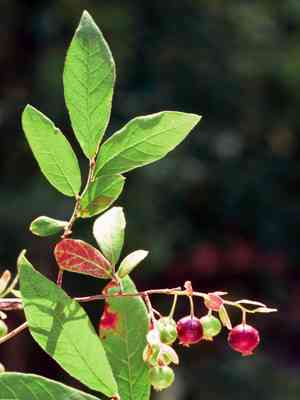
Deerberry offers appealing leaves and fruits, providing continuous charm to your outdoor space.
2
If situated in an appropriate location, Deerberry needs very little upkeep.
3
Adding Deerberry can draw in local fauna and boost your garden's variety of life.
An Overview of Utilizing Deerberry in Garden Design
Grasping the Aesthetic Appeal of Deerberry
When thinking about Deerberry for your garden layout, it's vital to grasp its visual charm. The plant showcases delightful leaves that can vary from deep green to striking red and orange hues in autumn, offering seasonal allure. Furthermore, Deerberry produces delicate, bell-shaped blooms followed by attractive fruits, enhancing the aesthetic diversity in your garden. The berries not only look good but can also serve as sustenance for local wildlife, adding to the plant's appeal.
Advantages of Selecting Deerberry for Your Garden
Incorporating Deerberry into your landscaping provides numerous benefits. Firstly, it's a robust plant that can flourish in various soil types, making it adaptable to different garden conditions. Secondly, its relatively low maintenance requirements make it an excellent option for busy gardeners. Beyond the aesthetic and wildlife advantages, Deerberry can also improve soil health, particularly in sandy or rocky soils where it naturally thrives. Consequently, choosing Deerberry for your garden not only beautifies the space but also fosters a more sustainable gardening environment.
Optimal Placement for Deerberry in Your Garden
Evaluating Prime Locations for Planting Deerberry
To maximize Deerberry's visual and practical impact, it's crucial to choose the best spot in your garden. Seek out areas that receive partial to full sunlight, as Deerberry can adapt to various light conditions but thrives with some sun exposure. Moreover, consider the soil drainage; Deerberry prefers well-drained soils. Identifying the correct location will ensure that the plant not only survives but flourishes, contributing to a vibrant and healthy garden landscape.
Employing Deerberry to Enhance Existing Plants
One of the key strategies to elevate your garden's aesthetic is to use Deerberry to complement existing plants. Its unique foliage and colorful berries can provide a striking contrast to more conventional garden plants. For instance, planting Deerberry alongside evergreen shrubs or perennials can add depth and texture to your garden design. By considering the visual dynamics and seasonal variations, you can create a harmonious and engaging garden layout.
Strategies for Maximizing Visual Charm
To maximize the visual charm of Deerberry in your garden, consider its growth habit and mature size. Plant Deerberry where it has ample room to grow without crowding nearby plants. Grouping multiple Deerberry plants together can create a more impactful visual display, especially when they are in bloom or fruiting. Additionally, placing Deerberry in areas where its seasonal changes can be appreciated, such as near garden paths or seating areas, can enhance the overall garden experience.
Garden Design Concepts Featuring Deerberry
Establishing Focal Points with Deerberry
Establishing focal points in your garden using Deerberry can draw attention and provide a central feature to your landscaping design. Consider planting Deerberry in prominent spots where its seasonal changes can be appreciated. For example, a single well-placed Deerberry can become a striking focal point when it's covered in blooms or berries. Integrating structures like trellises or garden sculptures near Deerberry can further enhance its visual impact.
Integrating Deerberry into Borders and Edges
Integrating Deerberry into the borders and edges of your garden can add structure and definition to your landscape. The plant's natural growth habit makes it an excellent choice for creating naturalistic borders. Its foliage provides a soft boundary that can enhance the transition between garden beds and lawns or pathways. Additionally, the seasonal changes in Deerberry can add continuous interest along garden edges, shifting from spring blossoms to autumn berries.
Crafting Wildlife-Friendly Areas with Deerberry
Crafting your garden with Deerberry can create a wildlife-friendly environment, attracting birds and pollinators. The berries are a valuable food source for birds and small mammals, while the flowers attract bees and butterflies. By integrating Deerberry into a mixed planting scheme with other native plants, you can support local biodiversity and create a more vibrant, life-filled garden. Adding bird feeders or water sources nearby can further enhance the wildlife appeal.
Caring for Deerberry in Your Landscape
Fundamental Care Guidelines for Deerberry
Caring for Deerberry is relatively straightforward, making it a great choice for gardeners of all experience levels. Ensure the plant is watered regularly, especially during dry periods, to keep the soil consistently moist but not waterlogged. Applying mulch around the base of the plant can help retain soil moisture and suppress weeds. Pruning is not typically necessary, but you can remove any dead or damaged branches to maintain a tidy appearance. Regularly check for pests and diseases, although Deerberry is generally resilient.
Seasonal Considerations for Deerberry Care
Seasonal care is essential for keeping Deerberry healthy and vibrant throughout the year. In the spring, consider fertilizing the plant with a balanced feed to promote growth and flowering. During the summer, maintain consistent watering and watch for signs of heat stress, such as wilting or leaf scorch. In the fall, enjoy the changing foliage colors and prepare the plant for winter by applying a layer of mulch to protect the roots from extreme cold. By adjusting your care routine with the seasons, you'll ensure that Deerberry remains a thriving part of your landscape.



