The Deerberry Plant Advantage: Maximizing Home and Office Appeal and Wellness
1
Deerberry contains antioxidants that support general well-being.
2
This plant type is very versatile and flourishes in diverse soil types.
3
Deerberry draws in helpful pollinators, improving garden biodiversity.
What are the Environmental Advantages of Deerberry?
Soil Improvement
A notable benefit of growing Deerberry is its capacity to enhance soil quality. The plant aids in preventing soil erosion due to its strong root system. This ensures the soil remains rich and fertile, benefiting not only the Deerberry but also other garden plants.
Enhancing Local Biodiversity
Deerberry attracts various pollinators like bees, butterflies, and birds. This boosts the local ecosystem by providing vital resources to these pollinators, which in turn, assist in the growth of other plants through cross-pollination.
Why is Deerberry Beneficial for Your Health?
Rich in Antioxidants
A primary health advantage of Deerberry is its high antioxidant content. Antioxidants are compounds that help neutralize harmful free radicals in the body. Consuming parts of this plant, such as its berries, can help reduce oxidative stress, linked to various chronic conditions.
Nutritional Value
Deerberry is packed with essential nutrients, including vitamins and minerals. This nutrient density can contribute to a balanced diet, making it a great addition to your eating plan. Incorporating Deerberry berries into your diet can provide these nutritional benefits naturally and deliciously.
How to Cultivate Deerberry Successfully?
Optimal Growing Conditions
To successfully grow Deerberry, understanding its ideal growing conditions is crucial. Deerberry thrives in well-drained soil and prefers partial to full sun exposure. It adapts to various soil types but performs best in slightly acidic soil.
Watering and Maintenance Needs
While Deerberry is relatively low-maintenance, consistent watering during dry periods can encourage healthy growth. Periodic pruning helps maintain its shape and stimulates new growth. Using organic mulch can help retain soil moisture, increasing the plant's resilience.
What Are the Aesthetic Benefits of Deerberry in Landscaping?
Attractive Appearance
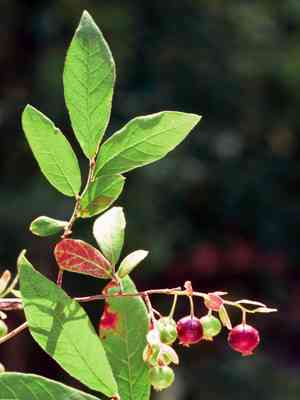
Deerberry is an appealing plant that offers visual interest throughout the year. Its foliage provides a lush green backdrop during the growing season, and it produces charming, small flowers that can add elegance to any landscape design.
Versatility in Landscaping
Deerberry is adaptable and can be used in various landscaping projects. Whether you aim to create a hedge, a focal point, or a natural border, this plant integrates seamlessly into different landscape designs. Its adaptability makes it an excellent choice for gardeners seeking to add beauty and function to their outdoor spaces.
What Makes Deerberry Easy to Incorporate in Your Garden?
Compatibility with Other Plants
Deerberry coexists well with various other plant species, making it simple to integrate into diverse garden environments. Its natural adaptability allows it to grow alongside different plant types without competing for resources.
Minimal Pest Issues
A practical benefit of growing Deerberry is its resistance to many common pests. This resilience reduces the need for chemical pesticides, making it a more eco-friendly option for your garden.



