How to Propagate Deerberry?
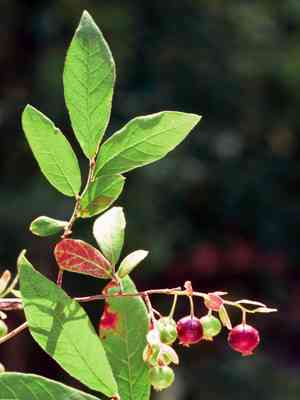
Deerberry is best multiplied in the Fall and Winter seasons utilizing stem sections or layering techniques. It presents a moderate challenge in propagation, with the emergence of new foliage signifying successful establishment. Exercise patience and ensure appropriate nurturing to boost the likelihood of success.
Optimal Time for Deerberry Propagation
Propagation Method
Cutting
Propagation Period
Autumn,Winter
Tools for Deerberry Propagation
Pruning Shears
These are vital for taking cuttings from deerberry. Pruning shears must be sharp and clean to ensure a precise cut that will allow the cutting to root effectively and prevent disease transmission. For deerberry, use bypass pruning shears, which create a clean cut that promotes healing and minimizes damage to the parent plant.
Rooting Hormone
This enhances the likelihood of successful rooting by stimulating root development in deerberry cuttings. The hormone is applied to the cut end of the cutting before placing it in the growing medium. Rooting hormone is beneficial for deerberry as it may have a lower natural rooting capacity compared to other plants.
Sterile Potting Mix
Sterility is crucial to prevent fungal and bacterial growth that could harm developing deerberry cuttings. A sterile potting mix provides a clean initial environment for roots to grow without competition or infection, fostering healthy development in deerberry cuttings.
Propagation Tray with Dome
Used to create a controlled humidity environment for deerberry cuttings. The dome retains moisture in the air, reducing water loss from the leaves, and accelerating the rooting process. A tray also simplifies managing multiple deerberry cuttings simultaneously, ensuring consistent care and monitoring.
Heat Mat
Maintaining an ideal root-zone temperature is important for the successful rooting of deerberry cuttings. A heat mat helps to provide a consistent heat source that can encourage faster root growth and increase propagation success rates.
Misting System or Spray Bottle
Maintaining high humidity around deerberry cuttings is critical. A misting system provides regular and gentle moisture which is essential for preventing the delicate cuttings from drying out before they have rooted. Alternatively, a manual spray bottle can be used to mist deerberry cuttings if a misting system is not available.
Caring for Newly Propagated Deerberry
Caring for Newly Propagated Deerberry
After successful propagation, transplant the rooted deerberry cuttings into individual pots with soil suitable for acid-loving plants, or directly into their permanent location in acidic, well-draining soil. Maintain consistent moisture and protect the young plants from intense direct sunlight. Fertilize lightly with a balanced fertilizer designed for acid-loving plants during the growing season. As the deerberry establishes, reduce watering frequency, allowing the soil to dry slightly between waterings. Monitor for pests and diseases common to deerberry and treat as necessary.
Common Propagation Errors to Avoid with Deerberry
Overwatering
Providing too much water can lead to root rot and fungal diseases, which are detrimental for deerberry cuttings, as they require well-drained soil to establish a healthy root system.
Using non-sterile tools
Propagating with dirty tools can introduce pathogens to deerberry cuttings and seeds, increasing the risk of infection and reducing propagation success.
Planting cuttings too deep
Inserting deerberry cuttings too deeply into the propagation medium can cause them to rot before they have a chance to root, as it may reduce necessary air circulation around the stem.
Neglecting humidity needs
Failing to maintain a high humidity environment for deerberry cuttings can lead to desiccation and poor root development, as humidity is crucial for the healing and growth of new roots.
Using soil with poor drainage
Employing a substrate that does not allow for adequate drainage can cause water to accumulate around the roots of deerberry, inhibiting oxygen availability and potentially causing root disease.
Deerberry Propagation Tips
Semi-hardwood cuttings
Use semi-hardwood cuttings from deerberry for propagation, as they tend to root more successfully than softwood or hardwood cuttings for this species.
Rooting hormone
Apply a rooting hormone to the cut end of deerberry cuttings to encourage root growth and enhance the chances of successful propagation.
Well-draining soil mix
Use a well-draining soil mix, such as a combination of peat and perlite, to ensure that deerberry cuttings have the appropriate moisture level without waterlogging.
Humidity tent
Create a humidity tent or use a propagation dome over deerberry cuttings to maintain high humidity, which is essential for promoting root development.
Gentle bottom heat
Provide a gentle bottom heat to the propagation medium for deerberry cuttings, as a slightly warmer substrate can stimulate rooting without risking damage to the tender young roots.



