How to Transplant Evergreen huckleberry?
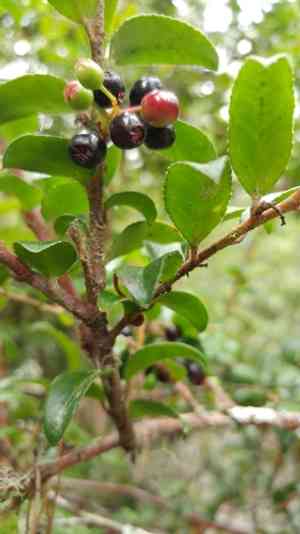
For evergreen huckleberry, the arrival of spring's mild temperatures presents the ideal period for relocation. Choose a location with partial shade and soil that drains effectively. When working with evergreen huckleberry, ensuring the roots remain hydrated is crucial for fostering development after transplanting.
Essential Preparations Before Relocating Evergreen Huckleberry?
Optimal Timing for Evergreen Huckleberry Relocation?
Early spring, as winter's chill recedes, offers an ideal window for moving evergreen huckleberry. This period allows roots to establish before summer heat. Transplanting evergreen huckleberry at this time leverages mild temperatures and spring moisture, ensuring a smooth transition and vigorous development. Trust this season for your evergreen huckleberry; it's nature's gentle cue for fresh starts!
Recommended Spacing Between Evergreen Huckleberry Plants?
Initiate your gardening project with evergreen huckleberry by positioning each transplant approximately 2-3 feet (60-90 cm) apart. This ensures optimal development for each plant as they mature.
Best Soil Blend for Evergreen Huckleberry Relocation?
For thriving evergreen huckleberry plants, prepare an acidic soil base, as they prefer it, and incorporate a slow-release fertilizer. Remember, the primary goal is well-drained soil for these plants!
Optimal Location for Your Evergreen Huckleberry?
Sunlight is crucial for evergreen huckleberry. Select a spot where your plants receive full to partial sun throughout the day. If not feasible, a lightly shaded area also works well.
Equipment Needed Before Evergreen Huckleberry Transplantation?
Spade or Shovel
This tool will be necessary to dig around the evergreen huckleberry plant for removal from its original spot and to excavate the new planting hole.
Gardening Gloves
To safeguard your hands while handling the plant and soil.
Pruning Shears
For trimming any damaged or diseased branches prior to transplanting.
Wheelbarrow or Tarp
To move the evergreen huckleberry plant from its initial to its new location without harming its roots.
Garden Hose or Watering Can
To provide water to the evergreen huckleberry plant after its relocation.
How to Extract Evergreen Huckleberry from the Soil?
How to Extract Evergreen Huckleberry from the Soil?
From Ground: Start by thoroughly watering the evergreen huckleberry plant, which will make the soil easier to manage. Use a spade or shovel to dig a sufficiently wide trench around the plant to avoid damaging its root system. Dig beneath the root ball and carefully lift the plant, preventing any sudden movements that could injure it.From Pot: Water the evergreen huckleberry plant and gently tip the pot onto its side. Apply light pressure to the pot's sides to loosen it. Gradually slide the plant and its root ball out of the pot without pulling on the stems.From Seedling Tray: Water the evergreen huckleberry seedling tray, allowing it to drain for a few minutes. Then, using a small trowel or your fingers, carefully scoop out the seedlings with their roots and surrounding soil intact.
Step-by-Step Guide for Evergreen Huckleberry Transplantation
Timing Selection
Choose a cloudy day or late afternoon for transplanting to prevent the evergreen huckleberry plant from immediate exposure to direct sunlight after relocation.
Preparation of the Transplant Hole
Dig a hole that is twice the width of the evergreen huckleberry plant's root ball and of equal depth.
Plant Placement
Carefully position the evergreen huckleberry plant in the hole, ensuring it is set at the same depth as it was in its previous location.
Backfilling
Fill the hole with soil, pressing gently but firmly around the plant's base.
Watering
Water thoroughly after transplanting to settle the soil.
Post-Transplantation Care for Evergreen Huckleberry?
Watering
Maintain consistent moisture in the soil around the evergreen huckleberry plant, avoiding waterlogging, until it has established itself in its new spot.
Pruning
Trim the evergreen huckleberry plant to remove any dead or damaged branches, encouraging vigorous new growth.
Health Monitoring
Regularly inspect the evergreen huckleberry plant for signs of stress or disease, such as wilting or discolored leaves, and address any issues promptly.
Resolving Common Evergreen Huckleberry Transplantation Issues.
What is the optimal period for relocating evergreen huckleberry?
The best time to move evergreen huckleberry is during its dormant phase, typically from late fall to early spring.
What spacing should I maintain between evergreen huckleberry when transplanting?
Each evergreen huckleberry requires ample room for root expansion, so keep a distance of about 2-3 feet (60-91 cm).
What soil type does evergreen huckleberry prefer during relocation?
Evergreen huckleberry thrives in well-drained, acidic soil. Before transplanting, ensure to test and adjust the soil pH as needed.
How deep should I plant evergreen huckleberry when transplanting?
Transplant evergreen huckleberry to a depth similar to its prior location. The crown should be level with or slightly below the ground surface.
How to water evergreen huckleberry after relocation?
After moving the plant, water evergreen huckleberry thoroughly. Keep the soil moist but prevent waterlogged conditions, which can lead to root rot.
Why are my relocated evergreen huckleberry leaves turning yellow?
Yellow leaves can indicate water stress or a nutrient deficiency. Adjust your watering schedule and consider soil testing for nutrients.
Should I prune evergreen huckleberry during relocation?
Pruning is not essential during transplantation. However, removing dead or diseased branches will stimulate new growth and overall plant health.
The relocated evergreen huckleberry isn't growing, why?
If evergreen huckleberry isn't growing after transplant, it's likely experiencing transplant shock. Ensure proper watering and allow it time to adapt to its new environment.
Can evergreen huckleberry survive if relocated under full sun?
Evergreen huckleberry prefers a partially shaded setting, but can also adapt to full sun. Maintain adequate moisture levels and consider providing afternoon shade if possible.
What to do if the relocated evergreen huckleberry is wilting?
Wilting is a common symptom of transplant shock in evergreen huckleberry. Increase watering and consider adding a layer of mulch to help retain soil moisture.



