Enhancing Your Garden Design with the Evergreen huckleberry Plant: A Landscaping Guide
1
Adaptable and resilient, Evergreen huckleberry is ideal for continuous garden appeal.
2
Evergreen huckleberry draws helpful creatures to your yard, boosting local ecological variety.
3
Seasonal maintenance guarantees Evergreen huckleberry flourishes in your garden layout.
Appreciating Evergreen Huckleberry's Landscaping Value
Visual Benefits: Discovering the lively look of Evergreen huckleberry
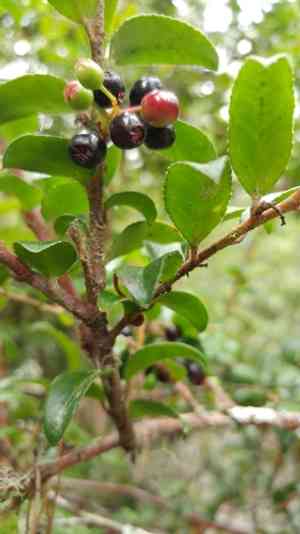
A primary reason gardeners favor Evergreen huckleberry in their designs is its striking visual appeal. It features shiny, deep green leaves that provide a rich backdrop all year. Its new shoots emerge reddish-bronze, adding a distinct color and depth. In autumn, the plant produces clusters of small, bell-shaped blooms followed by dark purple berries, offering a strong contrast against its evergreen foliage. These aesthetic qualities make Evergreen huckleberry a captivating addition to any garden.
Year-Round Charm: Exploring the persistent nature of Evergreen huckleberry
Evergreen huckleberry stands out due to its evergreen characteristic, guaranteeing vibrant greenery regardless of the season. Unlike deciduous plants that shed leaves in winter, it retains its foliage year-round, providing continuous color and texture to landscapes. This consistency makes it perfect for gardeners aiming to establish a stable and visually pleasing garden structure. Whether as a solitary shrub or part of a mixed border, Evergreen huckleberry offers a lasting aesthetic quality that enhances the landscape throughout all seasons.
Wildlife Support: How Evergreen huckleberry aids local ecosystems
Beyond its beauty, Evergreen huckleberry plays a vital role in supporting local ecosystems. Its blossoms are a valuable food source for bees and other pollinators in spring, while the subsequent berries are favored by birds and small mammals. By including Evergreen huckleberry in your landscaping, you contribute to local biodiversity and provide essential resources for wildlife. This not only enriches your garden with beneficial animals but also fosters a healthier, more balanced environment.
Choosing the Best Spot for Evergreen Huckleberry
Light Needs: Optimal practices for sun exposure
Evergreen huckleberry flourishes in partial to full shade, making it an excellent option for garden areas where other plants might struggle. While it can endure some morning sun, excessive direct sunlight, especially in warmer climates, can cause leaf burn. For optimal growth, place Evergreen huckleberry in a spot that receives filtered sunlight or is shaded for most of the day. This protects the plant from intense light and helps maintain its lush, green foliage.
Soil Requirements: Advice for soil preparation and conditions
Regarding soil, Evergreen huckleberry prefers acidic, well-drained conditions. Before planting, it's wise to test your soil's pH and amend it as needed to achieve a slightly acidic environment, typically a pH of 5.5 to 7. Incorporating organic matter like compost or peat moss can improve drainage and supply vital nutrients. Ensure the planting site is free of standing water, as Evergreen huckleberry does not tolerate waterlogged soils well. By preparing the correct soil conditions, you give Evergreen huckleberry the best chance to thrive.
Growth Spacing: Ensuring sufficient room for development
To allow Evergreen huckleberry to reach its full potential, proper spacing is essential. It can grow quite large, so planting them too close together can lead to overcrowding and competition for resources. Space each plant at least 3 to 5 feet apart, depending on the specific variety and your landscape design. This spacing ensures each plant gets adequate light, air circulation, and nutrients, promoting healthier and more robust growth. Proper spacing also facilitates easier maintenance and access.
Integrating Evergreen Huckleberry with Other Flora
Companion Plants: What pairs well with Evergreen huckleberry
To maximize Evergreen huckleberry's visual impact, consider pairing it with plants that complement its features. Shade-tolerant perennials such as ferns, hostas, and heucheras work well alongside it, adding diverse textures and colors to the garden. Additionally, plants with contrasting leaf shapes or variegated foliage can create a striking display when planted near Evergreen huckleberry. These combinations enhance your garden's visual interest, making Evergreen huckleberry stand out even more.
Design Concepts: Matching Evergreen huckleberry to various garden aesthetics
Whether you're aiming for a modern, minimalist garden or a lush, woodland retreat, Evergreen huckleberry can seamlessly fit into various design themes. In naturalistic gardens, its native appearance blends well with other indigenous plants, creating a harmonious and low-maintenance landscape. In more formal settings, its structured form and year-round foliage can be used to create hedges or borders. Its design versatility makes it a valuable addition to any garden style.
Creating Color and Texture Contrast: Methods and suggestions
One way to enhance your landscape's visual appeal is by playing with color and texture contrasts using Evergreen huckleberry. Pair its dark, glossy leaves with plants that have lighter or variegated foliage for a dynamic look. For instance, combine Evergreen huckleberry with variegated dogwood or silver-leaved plants like dusty miller to create a striking contrast. Additionally, mixing plants with different leaf shapes and sizes can add depth and texture to your garden, making it visually stimulating year-round.
Seasonal Care for Evergreen Huckleberry
Spring Maintenance Tips: Optimal practices for starting the season
Spring is the ideal time to give your Evergreen huckleberry extra attention to ensure it thrives throughout the year. Begin by trimming any dead or damaged branches to encourage new growth and maintain a healthy shape. Mulching around the plant's base helps retain moisture and suppress weeds. Additionally, a balanced, slow-release fertilizer applied in early spring can provide essential nutrients for robust growth. These steps prepare Evergreen huckleberry for a healthy growing season.
Summer Upkeep: Keeping Evergreen huckleberry vibrant during heat
During warmer months, ensuring Evergreen huckleberry receives adequate water is crucial. While it is fairly drought-tolerant once established, consistent watering helps maintain its vibrant appearance. Mulching can also help conserve soil moisture and keep roots cool. It's important to monitor for pests and diseases, which can be more prevalent in summer. Regularly inspecting the foliage and taking timely action can prevent potential problems and keep your Evergreen huckleberry healthy and lively.
Winter Preparation: Steps to safeguard Evergreen huckleberry in cold weather
As winter approaches, certain steps can help protect Evergreen huckleberry from harsh weather. Applying a layer of mulch around the base insulates the roots from extreme cold. Ensure the plant is well-watered before the first frost, as hydration can help withstand freezing temperatures. In areas with heavy snowfall, consider using windbreaks or protective barriers to shield Evergreen huckleberry from strong winds and frost damage. These preparations help Evergreen huckleberry emerge from winter ready to thrive in spring.



