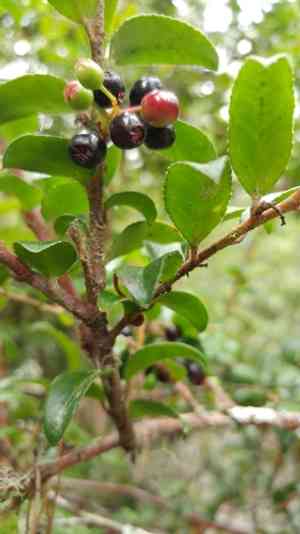
Evergreen huckleberry (Vaccinium ovatum)
Also known as: Winter huckleberry, Box huckleberry, Shot huckleberry
Evergreen huckleberries, native to the Western Pacific regions of the U.S. and British Columbia, are highly valued in the summer. These small, round berries resemble blueberries but offer a more robust and sweet-tart flavor, making them ideal for crafting jams, jellies, and syrups. Additionally, their rich taste and appealing color elevate culinary creations, while also being a preferred snack for local wildlife, including birds and bears.
In This Article
Attributes of Evergreen huckleberry
Lifespan
Perennial
Plant Type
Shrub
Plant Height
30 cm to 2.5 m
Spread
3 m
Leaf Color
Green Red Bronze
Flower Size
2.5 cm
Flower Color
Pink White
Images of Evergreen huckleberry
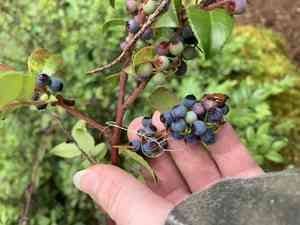
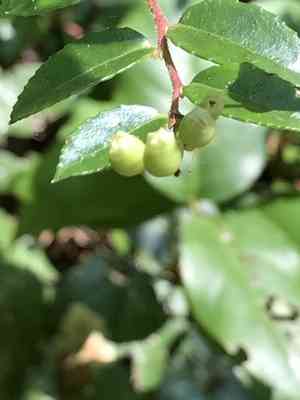
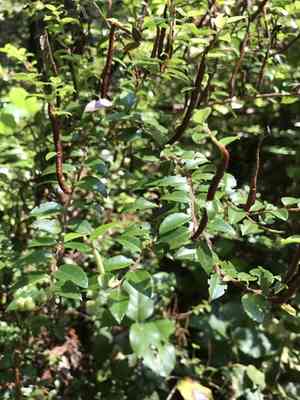
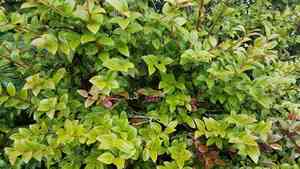
Quickly Identify Evergreen huckleberry
1
Identify Vaccinium ovatum by its small, glossy, evergreen leaves which are oval in shape and have serrated edges. The plant produces small, urn-shaped, pinkish-white flowers followed by dark purple to black berries.
Scientific Classification of Evergreen huckleberry
Phylum
Vascular plants
Class
Dicotyledons
Order
Ericales
Family
Heath
Genus
Blueberries
Species
Evergreen huckleberry
Planting and Growing of Evergreen huckleberry
Care Difficulty
Easy
Watering Schedule
Every 3 days
Sunlight Requirements
Full sun
Sunshine Duration
4-8 hours
Ideal Temperature
60-75℉
Soil Type
Potting Mix, Peat Mix
Soil pH
5-6.5
Fertilizer Type
Balanced
Pruning Season
Spring, Summer
Pruning Area
Branches, Leaves
Pruning Frequency
2 times a year
Repotting Season
Spring
Pot Type
Plastic, Ceramic
 How to Water Evergreen huckleberry?
Vaccinium ovatum requires a balanced approach to watering. When you water, ensure that the soil is soaked adequately without waterlogging it. A good measure is to water until excess water begins to drain from the pot's base, which typically means providing about 500 ml per watering session. This method ensures the roots absorb sufficient moisture while avoiding conditions conducive to root rot.
What are the symptoms of an underwatered Evergreen huckleberry?
›
What should I do if my Evergreen huckleberry is not getting enough water?
›
What are the symptoms of an overwatered Evergreen huckleberry?
›
How to save an overwatered Evergreen huckleberry?
›
 What Are the Sunlight Requirements for Evergreen huckleberry?
Partial sun exposure is best for Vaccinium ovatum, promoting strong growth and vibrant fruiting. Balanced sunlight mimics its native habitat, optimizing energy for photosynthesis and aesthetic appeal.
More About Sunlight Requirements Techniques→
How much sunlight does Vaccinium ovatum need daily?
›
What are the solutions for achieving ideal light conditions for Vaccinium ovatum?
›
What are the benefits of ideal lighting conditions for Vaccinium ovatum?
›
 What Is the Ideal Temperature Range for Evergreen huckleberry?
The ideal temperature range for Vaccinium ovatum, also known as evergreen huckleberry, is between 60°F and 75°F. Within this range, the plant thrives by maintaining optimal metabolic and physiological functions. At these temperatures, photosynthesis is efficient, and the plant can grow healthily without stress leading to vibrant foliage and healthy fruit production.
 What Soil is Best for Evergreen huckleberry?
Vaccinium ovatum thrives in well-drained soils, which helps prevent root rot by allowing excess water to escape. This condition is crucial for maintaining healthy root systems and ensuring optimal growth. This plant prefers acidic soil, with a pH range of 5.0 to 6.5. The acidity helps enhance nutrient availability, supporting lush foliage and vigorous development. Rich in organic matter, such soil promotes healthy root growth by enhancing the soil's moisture retention and providing essential nutrients. This contributes to stronger plants that are more pest- and disease-resistant.
More About Soil→
 How to Fertilize Evergreen huckleberry?
For Vaccinium ovatum, a balanced fertilizer of 10-10-10 or 16-16-16 can be suitable. When using liquid fertilizers, dilute it to half strength to avoid burning the roots. Apply about 1 to 2 tablespoons per plant for granular fertilizers, evenly spread around the base.
More About Fertilizing Techniques→
 How to Prune Evergreen huckleberry?
Vaccinium ovatum can be pruned any time of the year, but avoid pruning during extreme weather conditions. Pruning encourages new growth and ensures that your plant remains compact and fruitful. When pruning, make cuts just above a node to encourage new growth. Cut at a slight angle to allow water runoff and prevent moisture from sitting on the cut surface, which can lead to rot.
More About Pruning Techniques→
 How to Propagate Evergreen huckleberry plant?
1
Collect ripe berries from the Vaccinium ovatum plant and clean away the pulp to gather the seeds. It's crucial to dry the seeds properly before planting to prevent mold or fungus from affecting germination.
2
Select semi-hardwood cuttings from the plant. Cut sections that are 4 to 6 inches long, remove the lower leaves, and dip them in rooting hormone to enhance root development.
3
Choose a healthy low branch, bend it to the ground, and lightly wound the area that will be buried. Secure it with a staple or a heavy object, and cover it with soil. Roots will develop over a few months.
 How to Repot Evergreen huckleberry plant?
1
Vaccinium ovatum shows signs of needing repotting when its roots start to grow through the drainage holes, or the plant seems to stop growing altogether. These indicators suggest that the plant has outgrown its current space and requires more room to flourish. Ideally, repotting should occur in early spring or autumn to give the plant ample time to acclimate.
2
Select a new pot that is 2-4 inches larger in diameter than the current one. This gives Vaccinium ovatum ample space to expand without overwhelming the root system. Pots with drainage holes are essential to prevent waterlogging, which can lead to root rot. A well-chosen pot strikes a balance between size and functionality, promoting healthy growth.
3
Opt for an acidic, well-draining soil mix rich in organic matter, which mimics the plant's natural environment. This type of soil supports healthy root development and helps maintain the necessary acidic conditions that Vaccinium ovatum thrives in. The right soil prevents nutrient lock-up and ensures efficient water drainage.



