How to Overwinter Evergreen huckleberry
1
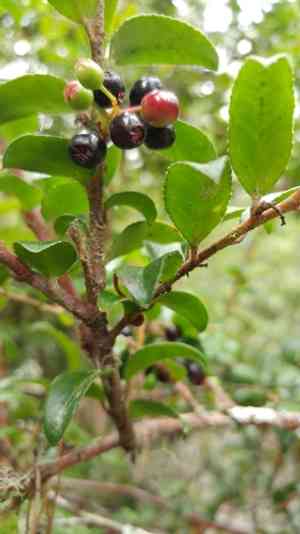
The Evergreen huckleberry serves as both a decorative plant and a fruit-producing bush appropriate for gardens in the U.S.
2
Evergreen huckleberry thrives with a layer of mulch to shield its root system and retain hydration throughout the winter.
3
Consistent checks in winter help identify potential problems like frost damage or infestations promptly.
Why is Overwintering Important for Evergreen huckleberry?
Why is Overwintering Important for Evergreen huckleberry?
Protecting your Evergreen huckleberry through winter is vital for its health and yield. While this plant tolerates cold, proper winter care helps it flourish and produce abundant fruit. Overwintering steps reduce cold stress, guard against frost damage, and prepare the plant for vigorous spring growth. By following practical tips and strategies, you can help your Evergreen huckleberry remain strong and robust during colder months.
Preparing Evergreen huckleberry for Winter
Pruning Techniques
Pruning is key for winter readiness. Remove any dead or damaged branches to prevent disease. It's best to prune after the first frost but before severe winter begins. Focus on shaping the plant to improve air circulation and lessen pest issues, which can be more prevalent in damp winter conditions.
Feeding and Fertilizing
Providing adequate nutrition for your Evergreen huckleberry before winter arrives is crucial. Apply a slow-release fertilizer in late autumn to ensure the plant has sufficient nutrients. This strengthens the plant and promotes root development, making it more resilient during winter. Be careful not to over-fertilize, as this can lead to excessive growth vulnerable to cold damage.
Soil Preparation
Ensure the soil around your Evergreen huckleberry drains well, as waterlogged soil can harm the roots. Incorporate organic matter like compost into the soil to enhance drainage and provide essential nutrients. A pH level between 4.5 and 5.5 is ideal; consider testing and adjusting your soil's pH if needed.
How to Protect Evergreen huckleberry from Frost
Mulching and Ground Cover
Mulching effectively shields your Evergreen huckleberry from frost. Apply a thick layer (about 5-10 cm or 2-4 inches) of organic mulch, such as straw, leaves, or wood chips, around the plant's base. This insulates the roots, retains soil moisture, and prevents temperature fluctuations.
Using Protective Blankets
In very cold areas, consider using protective plant blankets or frost cloths during the coldest winter nights. These covers offer crucial frost protection without suffocating the plant. Secure the coverings well to prevent them from blowing away, and remove them daily to allow the plant to breathe.
Monitoring Evergreen huckleberry During Winter
Regular Inspections
Frequent checks on your Evergreen huckleberry can detect potential problems early. Look for signs of frost damage, such as blackened or crispy leaves, and ensure no pest infestations are developing. Early detection and intervention can prevent minor issues from becoming significant problems.
Watering Practices
While it may seem counterintuitive, winter watering is important. Water your Evergreen huckleberry sparingly, as overwatering can cause root rot. Aim to keep the soil slightly moist but not saturated. Reducing watering frequency as temperatures drop is essential, but don't let the soil completely dry out.
Common Winter Issues for Evergreen huckleberry
Identifying and Treating Frost Damage
Despite all precautions, frost damage may still occur. Frost damage often appears as black or brown spots on leaves and stems. If detected, prune the affected areas to prevent disease. Additionally, using mulch and protective coverings can help mitigate further damage.
Pest and Disease Management
Winter is a challenging time for pest control. Pests like aphids or scale insects can still affect the Evergreen huckleberry. Inspect the plant regularly, and use insecticidal soap or neem oil if necessary. Fungus can be a problem in cold, damp weather, so ensure good air circulation and proper pruning to keep fungal infections at bay.



