The Evergreen huckleberry Plant Advantage: Maximizing Home and Office Appeal and Wellness
1
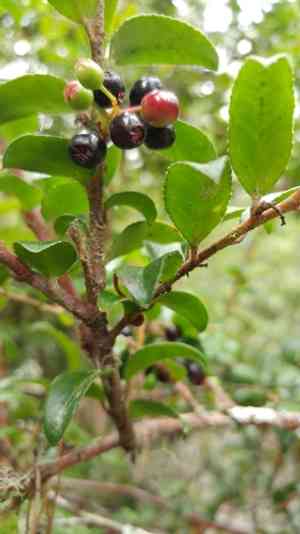
The evergreen huckleberry is a adaptable plant flourishing in diverse environments.
2
This shrub yields a healthful berry packed with essential vitamins and antioxidants.
3
Its persistent green leaves make it a superb option for garden design.
Why Opt for Evergreen Huckleberry? Discover Its Advantages
Nutritional Content of Evergreen Huckleberry
A primary advantage of Evergreen huckleberry lies in its nutritional makeup. The fruit produced by this plant is exceptionally rich in vitamins A, C, and E. They also provide a good amount of dietary fiber and contain numerous antioxidants, which can aid in shielding the body from damaging free radicals and in boosting the immune system. With such a nutrient-dense profile, adding these berries to your diet can significantly contribute to overall health and well-being.
Gardening and Landscape Advantages
Evergreen huckleberry presents an appealing choice for those aiming to enhance their gardens. Its evergreen characteristic means it remains vibrant and green throughout the year, offering continuous visual appeal. The plant is also highly adaptable, flourishing in diverse soil types and weather conditions. This resilience makes Evergreen huckleberry a low-maintenance addition to any garden. Furthermore, its dense foliage provides excellent ground cover and can be utilized to create striking natural borders or hedges.
Attracts Wildlife
Another wonderful advantage of cultivating Evergreen huckleberry is its capacity to draw in wildlife. The berries serve as a crucial food source for many bird species, helping to sustain local ecosystems. Additionally, the dense foliage offers refuge and nesting locations for birds and other small creatures. By planting Evergreen huckleberry, gardeners not only beautify their surroundings but also contribute to the welfare of local wildlife.
Culinary Applications of Evergreen Huckleberry
Berry Salad
Combine Evergreen huckleberry fruits with mixed greens, goat cheese, and a handful of nuts. Drizzle with a balsamic vinaigrette for a flavorful salad.
Berry Compote
Simmer Evergreen huckleberry fruits with a touch of sugar and lemon juice until they break down into a thick sauce. This compote can be used as a topping for pancakes, yogurt, or ice cream.
Berry Smoothie
Blend a cup of Evergreen huckleberry fruits with a banana, a handful of spinach, and a cup of almond milk for a refreshing and nutritious smoothie.
Integrating Evergreen Huckleberry into Your Diet
The fruits of Evergreen huckleberry are not only nutritious but also delicious, making them a versatile ingredient in the kitchen. They can be consumed fresh, added to salads, or used in baking. Their tart flavor enhances a variety of dishes, from desserts to savory sauces. Making jams and preserves is another popular way to enjoy the fruits year-round. Experimenting with Evergreen huckleberry in your culinary creations can lead to delightful and healthful outcomes.
Recipes Featuring Evergreen Huckleberry
For those looking to incorporate Evergreen huckleberry into their meals, here are a few simple recipes:
Cultivating and Caring for Evergreen Huckleberry
Optimal Growing Conditions
Evergreen huckleberry is well-suited to various growing conditions, but certain factors should be considered for peak growth. This plant thrives in well-draining soil with a slightly acidic pH level. It prefers partially shaded areas, though it can endure full sun in cooler climates. Regular watering is necessary, especially during the establishment phase, but once mature, Evergreen huckleberry can withstand occasional dry spells.
Pruning and Maintenance Advice
Proper pruning is crucial to maintain the health and appearance of Evergreen huckleberry. It is best to prune the plant in late winter or early spring, just before new growth commences. Removing dead or damaged branches will encourage healthy new growth and fruit production. Additionally, periodic thinning of the plant ensures good air circulation, reducing the risk of fungal infections. Mulching around the plant's base can help retain moisture and suppress weed growth.



