Optimal Fertilizer for Growing Evergreen huckleberry: What You Need to Know
1
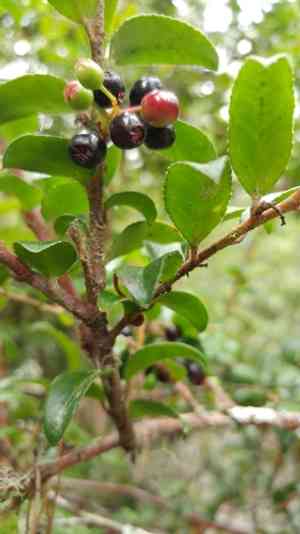
Evergreen huckleberries flourish optimally in acidic ground with a pH ranging from 4.5 to 6.0.
2
Applying a controlled-release plant food helps prevent excessive fertilization, which can harm the plant.
3
The perfect time to feed your Evergreen huckleberry is in spring, promoting fresh development following its winter rest.
Understanding the Nutritional Needs of Evergreen huckleberry
Essential Nutrients for Optimal Growth
Evergreen huckleberry plants require a balanced diet of macronutrients and micronutrients to thrive. The primary macronutrients include nitrogen (N), phosphorus (P), and potassium (K). Nitrogen is crucial for foliage and stem development, phosphorus aids root growth and blooming, and potassium assists in the plant's overall function and resilience. Additionally, micronutrients like iron, manganese, and zinc, though needed in smaller amounts, play vital roles in plant health.
Impact of Soil Quality on Nutrient Uptake
For Evergreen huckleberry plants, soil quality significantly affects nutrient absorption. These plants prefer acidic soil with a pH level between 4.5 and 6.0. When the soil pH is too high, it can limit the availability of essential nutrients, leading to deficiencies. Well-draining soil is critical as it prevents waterlogging that can cause root rot and impede nutrient uptake. Adding organic matter like compost can help improve soil structure and nutrient content.
Choosing the Right Fertilizer for Evergreen huckleberry
Organic vs. Inorganic Fertilizers: Pros and Cons
Selecting between organic and inorganic fertilizers for your Evergreen huckleberry depends on various factors. Organic fertilizers, derived from natural sources such as compost, manure, or bone meal, release nutrients slowly, enhancing soil structure and encouraging beneficial soil organisms. However, they may not provide immediate nutrient boosts. In contrast, inorganic fertilizers, composed of synthetic chemicals, offer quick and precise nutrient availability but can harm the soil's long-term health if overused.
Recommended Fertilizer Types and Brands
For Evergreen huckleberry plants, choosing fertilizers with high acidic properties is beneficial. Brands like Espoma's Holly-tone or Miracle-Gro's Water Soluble Azalea, Camellia, and Rhododendron Plant Food are excellent choices. These products are specifically formulated for acid-loving plants, ensuring your huckleberry receives the correct nutrients in appropriate amounts. It's advisable to follow the instructions on the packaging for optimal results.
How Often to Fertilize Evergreen huckleberry
Fertilizing During Different Growth Phases
Fertilizing Evergreen huckleberry plants should align with their growth stages. Early spring is the ideal time to begin fertilizing as the plant emerges from winter dormancy. During this period, a balanced 10-10-10 (N-P-K) fertilizer can encourage new growth. As the season progresses, applying a low-nitrogen fertilizer helps maintain plant health without promoting excessive leafy growth, which could affect berry production.
Seasonal Fertilization Techniques
Spring is the best season for fertilizing Evergreen huckleberry. Begin feeding in early spring with a slow-release or organic fertilizer to support budding and new growth. If you choose to use a liquid fertilizer, bi-monthly applications can maintain nutrient levels. Be cautious of over-fertilization during summer and fall, as excess nutrients can lead to rapid growth and reduced fruit quality. Tapering off fertilization in late summer helps prepare the plant for winter dormancy.
Application Techniques for Fertilizing Evergreen huckleberry
Step-by-Step Guide to Applying Fertilizer
Here's a step-by-step guide to fertilizing your Evergreen huckleberry:Test the soil pH to ensure it is between 4.5 and 6.0.Choose a suitable fertilizer, preferably one designed for acid-loving plants.Measure the appropriate amount of fertilizer as per the instructions on the package.Apply the fertilizer evenly around the base of the plant, being careful not to directly touch the stems or leaves.Lightly mix the fertilizer into the top 5-10 centimeters (2-4 inches) of soil to prevent runoff.Water the plant thoroughly to help distribute the nutrients into the root zone.
Common Mistakes to Avoid in Fertilization
Some common mistakes to avoid when fertilizing Evergreen huckleberry include:Over-fertilizing: Too much fertilizer can burn the roots and cause nutrient imbalances.Incorrect timing: Avoid fertilizing just before heavy rain, which can wash away the nutrients.Using the wrong fertilizer: Ensure you use a fertilizer suitable for acid-loving plants.Ignoring soil pH: Always test your soil pH and adjust accordingly to ensure optimal nutrient uptake. Keeping these points in mind can help you maintain a healthy and productive Evergreen huckleberry.



