How to Transplant Southern cattail?
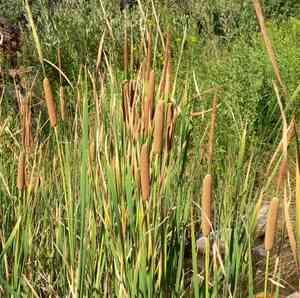
For Typha domingensis, the most favorable period for relocation is from late spring to early summer, offering ideal conditions for establishment. Choose a damp, brightly lit spot to foster vigorous growth. Helpful advice: confirm the substrate remains thoroughly wet for Typha domingensis to flourish after being moved.
What Preparations are Needed Before Transplanting Southern Cattail?
What is the Ideal Time for Transplanting Southern Cattail?
The onset of summer's warmth, following the final frost, provides optimal conditions for southern cattail to flourish after relocation. This period allows the plant's root system to settle in mild temperatures and with increasing daylight, promoting optimal growth. Moving southern cattail at this point leverages its natural growth cycle, encouraging strong development. Ensure your southern cattail benefits from the season's gentle warmth, setting the stage for a thriving presence in your garden.
How Much Space Should You Leave Between Southern Cattail Plants?
Begin by spacing your southern cattail at consistent intervals of approximately 2-3 feet (60-90 cm). This ensures ample room for growth without mutual interference. Remember, they are not just neighbors but individuals, each unique and deserving of its own space!
What is the Best Soil Mix for Southern Cattail Transplanting?
The next step involves preparing the soil. Southern cattail thrives in a loamy, organic-rich soil. Start by enriching your soil with compost or a nitrogen-rich base fertilizer. This will supply the essential nutrients for your plant to establish itself.
Where Should You Relocate Your Southern Cattail?
Finally, always position your southern cattail in an area that receives full sun. They adore sunlight and grow beautifully when exposed to plenty of it. So, select a spot where they can soak in the bright sun throughout the day!
What Equipments Should You Prepare Before Transplantation Southern Cattail?
Gardening Gloves
To protect your hands while handling soil and southern cattail.
Garden Spade or Shovel
Used for digging the transplant hole and lifting the plant from its original spot.
Trowel
For making precise adjustments to the planting hole.
Watering Can or Garden Hose
To hydrate the plant at its initial location before transplanting and at its new site.
Compost
Enhances the nutrient content within the planting hole.
Mulch
To help retain soil moisture after the transplant.
Wheelbarrow
For convenient transportation of the southern cattail.
How Do You Remove Southern Cattail from the Soil?
How Do You Remove Southern Cattail from the Soil?
From Ground: First, water the southern cattail plant to slightly moisten the soil. Next, dig a wide trench around the plant using a garden spade or shovel, ensuring the root ball remains intact. Carefully work the spade beneath the root ball to detach the plant from its original position.From Pot: Begin by watering the southern cattail plant. Then, turn the pot sideways and gently ease the plant out. If it's stuck, avoid pulling the stalks or stems; instead, try to loosen the soil and roots around the pot's edges.From Seedling Tray: Water the soil in the tray. Then, very gently grasp the plant's base and pull upward, being careful to retain as much of the original soil and roots as possible.
Step-by-Step Guide for Transplanting Southern Cattail
Digging the Hole
Excavate a hole at least twice as wide and equal in depth to the plant’s root ball. The location should already be chosen to meet southern cattail's sunlight and spacing needs.
Preparing the Hole
Add a layer of compost to the bottom of the hole to supply nutrients for your southern cattail, but avoid any overlap on sunlight, soil type, and fertilizer inputs.
Placing the Plant
Position your southern cattail in the hole, ensuring the top of the root ball is level with the soil surface.
Backfilling
Carefully refill the hole, making sure no roots are exposed and there are no air pockets in the soil.
Watering
Immediately after transplanting, thoroughly water your southern cattail.
How Do You Care For Southern Cattail After Transplanting?
Moisture Conservation
After transplanting, encircle the southern cattail with a layer of mulch to maintain soil moisture and inhibit weed growth.
Pruning
If your southern cattail appears stressed after transplanting, consider light pruning to reduce the plant's need for water and nutrients.
Observation
Monitor your plant for several weeks for signs of distress, such as wilting or yellowing. If these symptoms appear, ensure the plant receives adequate moisture and consider consulting a local garden center.
Troubleshooting Common Issues with Southern Cattail Transplantation.
When's the best time to transplant southern cattail?
The optimal period for transplanting southern cattail is during late summer to early fall, referred to as S3-S4 in gardening terms.
What's the reason for my southern cattail showing yellowing leaves after transplant?
This is likely due to transplant shock, a common issue when southern cattail is not properly acclimated. Ensure the plant is well-hydrated and shielded from extreme conditions to aid its recovery.
How much space should I leave between southern cattail during transplanting?
The southern cattail prefers ample room to spread, so aim for a distance of approximately 2-3 feet (0.6-0.9 meters) between each plant when transplanting.
Why isn't my transplanted southern cattail growing?
Southern cattail can take some time to establish after being transplanted. Keep the soil moist and ensure it receives sufficient sunlight. Patience is crucial here!
Why are the roots of my southern cattail turning brown after transplanting?
Brown roots can indicate root rot, often caused by overwatering or poor drainage. If suspected, reduce watering and ensure your southern cattail has well-draining soil.
Can I move southern cattail from a sunny spot to a shady spot?
While southern cattail is quite adaptable, it prefers full sunlight. It can survive in partial shade, but the change may initially stress the plant. Ensure it is well-watered during the transition.
How deep should I dig a hole for transplanting southern cattail?
The hole should be deep enough so that the southern cattail's root ball is fully covered but the stem is not. A good rule of thumb is twice the size of the root ball.
Is it necessary to prune southern cattail before transplanting?
Trimming back the foliage of southern cattail can lessen transplant shock by minimizing water loss. However, be sure to leave some leaves for photosynthesis!
What type of soil does southern cattail need for successful transplantation?
Southern cattail is not overly particular about soil type but does prefer moist, well-draining soil. Adding compost can provide necessary nutrients and improve soil texture.
The leaves of my transplanted southern cattail are curling. What's wrong?
Leaf curling typically signifies some form of stress, often from overwatering, underwatering, or extreme temperatures. Try to identify the cause and adjust your care routine accordingly.



