How to Overwinter Southern cattail
1
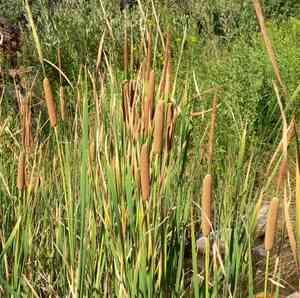
Typha domingensis flourishes in marshy environments and locations with ample moisture.
2
Trimming and applying mulch are crucial actions for getting your Typha domingensis ready for the cold season.
3
Using frost covers and moving containerized plants are good ways to prevent harm from freezing temperatures.
What is Overwintering for Southern cattail?
What is Overwintering for Southern cattail?
Overwintering refers to the process of preparing plants to endure the cold winter months. For Southern cattail, a typically robust and resilient species, this involves measures to shield it from extreme cold and frost, ensuring its health and readiness to flourish once warmer weather returns. While Southern cattail is hardy, proper overwintering practices help sustain the plantâs vitality and prepare it for the subsequent growing season.
Preparing Your Southern cattail for Winter
Checking Plant Health
Initiate your overwintering routine by thoroughly inspecting the health of your Southern cattail. Look for any indications of disease, pests, or stress. Ensuring your plant is healthy before winter arrives is crucial, as a robust plant is better equipped to withstand the cold. Remove any plant parts showing signs of disease or pests to prevent these issues from worsening during winter.
Pruning Dead Leaves
Pruning is a vital step in readying your Southern cattail for winter. Remove any dead or damaged foliage to help the plant conserve energy and prevent disease spread. Use clean, sharp pruning shears to trim back dead leaves, making precise cuts near the leaf bases. This simple action can greatly benefit the plantâs overall health during colder months.
Applying Mulch
Applying a thick layer of mulch around the base of your Southern cattail can help insulate its roots from extreme cold. Organic mulches, such as straw, wood chips, or fallen leaves, work exceptionally well. Aim for a mulch layer approximately 5-10 cm (2-4 inches) thick. Mulching helps maintain consistent soil temperature and moisture, safeguarding the plant's roots from freezing and thawing cycles.
How to Protect Southern cattail from Frost
Using Frost Cloth
Frost cloths are an excellent method to provide an additional layer of protection for your Southern cattail against frost. These lightweight cloths offer insulation without suffocating the plant. Drape the frost cloth loosely over your plant, ensuring it covers the entire plant from top to bottom. Secure the cloth at the base to keep it in place during windy conditions.
Relocating Potted Plants
If your Southern cattail is in a pot, consider moving it to a more sheltered location during harsh winter months. An unheated garage, basement, or even a greenhouse can offer an ideal winter refuge. Ensure the relocation spot is cool but not freezing, maintaining temperatures just above freezing to ensure the plant remains dormant but avoids frost damage.
Watering and Maintenance Tips During Winter
Adjusting Watering Frequency
During winter, Southern cattail requires significantly less water than it does during the growing season. Overwatering can lead to root rot and other problems, so adjust your watering frequency accordingly. Water the plant sparingly, ensuring the soil remains slightly moist but never waterlogged. A good guideline is to water only when the top 2.5 cm (1 inch) of soil feels dry.
Monitoring Soil Moisture
Keep a close watch on soil moisture levels to prevent both overwatering and underwatering. Use a soil moisture meter for accuracy or simply insert your finger into the soil to check its moisture. Maintaining the correct soil moisture is crucial for protecting the roots of your Southern cattail during its dormant period.
Common Winter Issues and Solutions for Southern cattail
Dealing with Frost Damage
Even with optimal precautions, frost damage can sometimes occur. If you observe any frost-damaged leaves or stems, prune them off to prevent the damage from spreading. Applying a frost cloth and ensuring adequate mulch can significantly reduce the likelihood of frost damage. Regularly checking on your plant during winter will help detect and address frost damage early.
Preventing Root Rot
Root rot is a frequent issue during winter due to overwatering or poorly drained soil. To prevent root rot, ensure proper drainage in your planting area or pot. Avoid letting your Southern cattail sit in waterlogged soil by adjusting your watering practices and checking drainage holes in pots. If root rot does occur, prune the affected roots and repot the plant in fresh, well-draining soil.



