The Southern cattail Plant Advantage: Maximizing Home and Office Appeal and Wellness
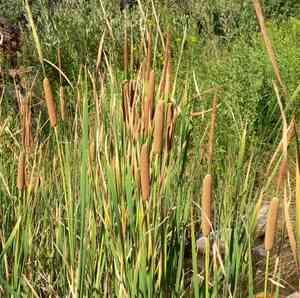
1
Southern cattail finds diverse applications in both cooking and artisanal projects.
2
Its inherent characteristics render it beneficial for water cleansing and preventing soil loss.
3
The plant's thick root network aids in securing earth within marshy environments.
Why is Southern Cattail Crucial for Wetland Environments?
Ecological Advantages
A primary contribution of Southern cattail to wetland ecosystems is its capacity to stabilize ground and prevent erosion. The plant's dense root network binds the soil, stopping it from being washed away by water currents. This function is vital for preserving the integrity of wetland areas, which are crucial habitats for diverse wildlife. Furthermore, Southern cattail aids in water purification. Its roots absorb nutrients and contaminants, thereby enhancing water quality in wetland regions.
Wildlife Sanctuary
Southern cattail offers a haven for various animal species. Birds, insects, and small mammals find refuge and sustenance within the plant's thick stands. The dense foliage provides protection, while the starchy rhizomes serve as a food source. Consequently, the presence of Southern cattail supports biodiversity by providing an essential habitat for many species.
Effect on Local Plant Life
Southern cattail frequently forms dense colonies, outcompeting other plant species in wetland areas. While this can sometimes lead to a single-species dominance, it also means that Southern cattail can quickly colonize and stabilize disturbed soils, making it a vital species for habitat restoration initiatives.
How Can Southern Cattail Be Integrated into Daily Life?
Culinary Uses
Various parts of Southern cattail are edible and have been utilized by indigenous cultures for centuries. Young shoots can be consumed like vegetables, offering a nutritious addition to meals. The pollen can be used as a flour substitute for baking, rich in nutrients such as protein and fiber. Additionally, the roots, or rhizomes, are starchy and can be ground into flour, providing a versatile ingredient for diverse dishes.
Crafting and Practical Applications
Southern cattail is also valued for its practical applications. The leaves and stalks can be used in basket weaving, providing a sturdy material for crafting various items including mats and chairs. Historically, the fluffy seed heads have been used for stuffing pillows and mattresses. Moreover, the plant's fibrous nature makes it an excellent material for crafting and DIY projects.
Can Southern Cattail Contribute to Sustainable Practices?
Erosion Prevention
Southern cattail is a natural solution for erosion control, particularly in wetland and riverside areas. Its rapid growth and extensive root system effectively stabilize soil, preventing erosion caused by water flow. This characteristic makes it a valuable plant for ecological restoration projects aimed at controlling soil erosion and maintaining healthy ecosystems.
Water Filtration
The root system of Southern cattail plays a key role in filtering water. By absorbing excess nutrients and pollutants, the plant helps to improve water quality in natural and constructed wetlands. This natural filtration process is beneficial for creating sustainable, clean water sources in various environments.
What Are the Difficulties in Managing Southern Cattail?
Invasive Tendency
While Southern cattail offers numerous advantages, it can also present challenges due to its invasive nature. In some regions, the plant can spread aggressively, outcompeting local flora and disrupting native ecosystems. Effective management strategies, such as controlled harvesting and monitoring, are essential to balance its benefits with potential ecological impacts.
Balancing Ecosystem Dynamics
Maintaining a balance between utilizing the benefits of Southern cattail and preserving local ecosystems is crucial. Sustainable practices, such as responsible harvesting and habitat management, are necessary to prevent the plant from becoming a monoculture and ensure that it continues to contribute positively to biodiversity and ecosystem health.



