How Much Sunlight Do Southern cattail Need?
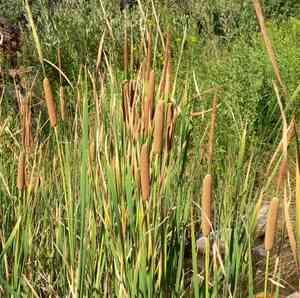
1
Southern cattail flourishes optimally with a minimum of six hours of direct sun exposure each day.
2
Inadequate light can impede the development of Southern cattail and result in diminished vitality.
3
Too much sun, particularly in the height of summer, may lead to scorched foliage on Southern cattail.
The Significance of Sunlight for Southern Cattail
Photosynthesis in Southern Cattail
Solar energy powers photosynthesis, the process where Southern cattail transforms light into chemical energy. This energy is vital for the plant's development, as it creates the sugars and compounds needed for growth. Without enough sunlight, Southern cattail cannot photosynthesize effectively, directly impacting its vigor.
Advantages for Growth and Development
Sunlight is crucial for the robust growth and maturation of Southern cattail. Sufficient light ensures the plant grows taller and stronger with greener, healthier foliage. Furthermore, sun exposure promotes a sturdy root system, helping the plant anchor firmly and absorb more nutrients from the soil.
Required Direct Sunlight for Southern Cattail
Optimal Sunlight Duration
Southern cattail typically needs a minimum of 6-8 hours of direct sunlight daily. This guarantees the plant receives ample light to support vigorous photosynthesis, leading to healthy and vibrant development. Placing these plants in a location where they can receive full sun for a significant part of the day is ideal.
Consequences of Insufficient Sunlight
If Southern cattail doesn't get enough sunlight, its growth can be hindered. Leaves might start to yellow, and the plant could become weak and sparse. Over time, inadequate sunlight can lead to a decline in the plant's overall health, making it vulnerable to diseases and pests.
Managing Excessive Sunlight
While Southern cattail thrives in sunlight, too much exposure, especially during intense summer months, can cause leaf scorching and dehydration. It's important to ensure the plant gets plenty of water during peak sun hours and, if necessary, provide some shade during the hottest part of the day to prevent damage.
Best Practices for Ensuring Optimal Sunlight Exposure
Positioning and Placement
Locate Southern cattail in an area where it can receive full sun for most of the day. Ideal spots include the edges of ponds, wetlands, or garden beds that get unobstructed sunlight from morning to evening. For container-grown cattails, ensure they are placed in sunny locations and moved as needed to maximize light exposure.
Seasonal Light Adjustments
As seasons change, the angle and intensity of sunlight also vary. In winter, the sun is lower, which might reduce the light Southern cattail receives. If this occurs, consider relocating the plant to a brighter spot or making adjustments to ensure it continues to get sufficient light throughout the year.
Utilizing Artificial Light Sources
In regions where natural sunlight is inadequate, particularly during winter, you might consider supplementing with artificial grow lights. These lights can mimic natural sunlight and provide the necessary wavelengths for photosynthesis. Ensure the artificial lights are positioned correctly and provide the right intensity to meet the plantâs needs.
Common Errors and How to Avoid Them
Overexposure to Sunlight
A common error is exposing Southern cattail to too much sunlight without providing adequate water. This can result in leaf burn and drying out of the plant. To prevent this, ensure the plant is well-hydrated, and consider using shade cloths during peak sunlight hours if necessary.
Underexposure to Light
Another frequent mistake is placing Southern cattail in overly shaded areas. This leads to leggy growth and poor health. Position the plant in a sunny location where it can receive at least 6-8 hours of direct sunlight daily.
Inconsistent Lighting Conditions
Inconsistent lighting, such as frequently moving the plant between shaded and sunny areas, can stress Southern cattail and impede its growth. Aim for consistency in light exposure, maintaining a stable environment to ensure optimal health and development.



