How to Prune Southern cattail?
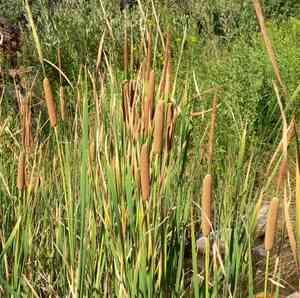
Distinguished by its elongated, slender leaves and unique brown, cylindrical inflorescences, Typha domingensis flourishes in aquatic environments. Trim away any deceased or discolored leaves, along with faded flower stalks, to foster robust development. The most effective time for trimming is during the spring and summer seasons, aligning with the post-bloom and vigorous growth phases. Eliminating aged stems stimulates fresh sprouts and manages expansion. Cut at the plant's base, steering clear of vibrant, healthy sections to minimize plant strain and maximize both visual appeal and environmental advantages.
What Are the Benefits of Pruning Southern Cattail?
What Are the Benefits of Pruning Southern Cattail?
Trimming southern cattail promotes robust development and helps maintain its desired form. This regular cutting ensures the plant stays healthy and visually appealing in the landscape.
What Is the Best Time for Pruning Southern Cattail?
What Is the Best Time for Pruning Southern Cattail?
Pruning southern cattail during Spring or Early Summer aligns with its post-winter recovery and active growth period. This timing allows southern cattail to heal quickly from pruning and to capitalize on the vigorous growth that takes place in warmer weather. Trimming before southern cattail sets seed heads will prevent unwanted spreading and will maintain plant aesthetics. Pruning after the peak growing season in late summer may hinder the plant's preparation for dormancy. Additionally, Spring pruning can remove old or damaged foliage before new growth begins, improving the plant's overall health.
What Tools Do I Need to Prune Southern Cattail?
Long-Handled Pruning Shears
Long-handled pruning shears are recommended for southern cattail as they allow for precise cutting of leaves and stalks while maintaining a safe distance. Southern cattail can grow in dense clusters with tall stems, making long handles beneficial for reaching into the stand without stepping into potentially wet or marshy areas.
Hand Pruners
Hand pruners are suitable for trimming smaller or more accessible sections of southern cattail. They offer greater control for more precise cuts, which is especially useful when thinning out individual stems to reduce crowding or when harvesting cattail fluff for propagation.
Heavy-Duty Pruning Saw
For older, thicker stalks of southern cattail, a heavy-duty pruning saw can be advantageous. It allows gardeners to saw through the tough, dense vegetation that typically characterizes established clumps of southern cattail.
Gardening Gloves
Gloves are essential when pruning southern cattail to protect hands from the sharp edges of the leaves and the rough, sometimes slippery stalks.
Waders or Waterproof Boots
Considering the aquatic environment where southern cattail is commonly found, waders or waterproof boots are necessary for gardeners to access the plants without getting wet.
How to Prune Southern Cattail
Identify and prepare
Identify southern cattail's diseased and withered leaves as well as any diseased stems. Gather pruning tools including sharp, clean shears or scissors.
Cut diseased leaves
Trim off the diseased leaves from southern cattail, making cuts at the base of each leaf to avoid leaving stubs that may attract pests or disease. Dispose of diseased material properly.
Remove withered leaves
Remove withered leaves from southern cattail. Cut these leaves at the base as well, which can help promote healthy new growth.
Prune diseased stems
Prune away diseased stems of southern cattail, cutting them down to the base or to a healthy set of leaves. Ensure cuts are clean to facilitate quick healing.
Cleanup
Clean up all trimmed material around southern cattail to prevent the spread of disease and pests. Disinfect pruning tools after use to prevent cross-contamination.
Common Pruning Mistakes with Southern Cattail
Over-pruning
Removing too much foliage from southern cattail might leave it vulnerable to disease and weak new growth. It's crucial to limit pruning to the removal of old or damaged growth.
Improper tool use
Using dull or dirty pruning tools can harm southern cattail, causing jagged cuts that are susceptible to infection.
Neglecting plant health
Failing to assess the overall health of southern cattail before pruning may lead to over-stressing an already weakened plant. It's important to ensure the plant is healthy enough to recover from pruning.
Pruning at wrong angles
Cutting at improper angles can prevent water runoff, potentially causing decay at the pruning sites on southern cattail.
Disregard for natural shape
Overzealously shaping southern cattail without considering its natural growth pattern can lead to an unnatural appearance and hinder its development.
Common Pruning Tips for Southern Cattail
Sharp, clean cuts
Use sharp, sterilized pruning shears to make clean cuts on southern cattail, which help promote quicker healing.
Selective removal
Carefully remove only the brown, spent flower spikes and damaged leaves to maintain proper airflow and encourage healthy growth in southern cattail.
Assess plant base
Inspect the base of southern cattail and remove any debris or dead plant material to prevent rot and pest infestation.
Proper disposal
After pruning southern cattail, properly dispose of the cuttings to reduce the risk of disease spread.
Aftercare
Following the pruning of southern cattail, ensure adequate watering and nutrition to support recovery and regrowth.



