How to Transplant Woodland pinkroot?
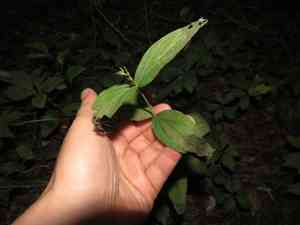
The optimal period for relocating woodland pinkroot is at the transition to warmer temperatures, specifically as late spring merges into early summer. Position it in dappled light and amend the earth for successful establishment, carefully fostering its root expansion.
Essential Preparations Before Relocating Woodland Pinkroot?
Optimal Period for Moving Woodland Pinkroot?
The best time to move woodland pinkroot is during the transition from late spring to early summer. Placing woodland pinkroot in the garden during this revitalizing phase allows ample time for a robust root system to form before the intense summer heat. Your woodland pinkroot will reward you with vigorous growth and vibrant blooms, a testament to the well-timed relocation, making it the ideal window for this task. Embrace this season to ensure your woodland pinkroot flourishes!
Recommended Spacing for Woodland Pinkroot Plants?
Ensure each woodland pinkroot is spaced approximately 1-2 feet (30-60 cm) apart when moving them. This guarantees sufficient room for growth without competition for resources.
Ideal Soil Blend for Woodland Pinkroot Relocation?
For beginners, pay attention! Woodland pinkroot thrives in a well-drained soil composition. Incorporate some rich compost into your garden soil for a foundational fertilizer – it will give your woodland pinkroot an excellent start.
Preferred Location for Your Woodland Pinkroot?
Selecting the correct site is crucial. Woodland pinkroot enjoys partial to full sun exposure. Therefore, choose a garden spot where it will receive ample sunshine, along with some shade.
Equipment Required Before Transplanting Woodland Pinkroot?
Gardening Gloves
To safeguard your hands while directly handling soil and the plant.
Shovel or Gardening Spade
Necessary for digging holes and moving earth, whether extracting the plant from its original spot or moving it to a new one.
Watering Can/Hose with Spray Attachment
Used to hydrate the plant both before and after its relocation.
Trowel
A convenient tool for adjusting soil around the plant once it's settled in its new position.
Root Pruning Shears
These might be needed when extracting the plant from its initial location if any roots are tangled or unhealthy.
Wheelbarrow or Garden Cart
Useful for transporting the plant from its initial spot to its new destination.
How to Extract Woodland Pinkroot from the Ground?
How to Extract Woodland Pinkroot from the Ground?
From Ground: If you are removing woodland pinkroot from the ground, first water the plant to moisten the soil. This facilitates digging and reduces stress. Next, dig a wide trench around the plant using a shovel, ensuring the entire root system remains intact. Carefully work the spade beneath the root ball to lift the plant out.From Pot: If woodland pinkroot is in a pot, begin by watering it. Turn the pot sideways, then gently tap it to help dislodge the plant. Try to retain as much soil as possible with the plant, as this helps minimize transplant shock.From Seedling Tray: If woodland pinkroot is in a seedling tray, water the plant first. Then, gently lift it out by holding the plant at its base, again keeping as much original soil as possible.
Step-by-Step Guide for Relocating Woodland Pinkroot
Plant Preparation
Before relocation, trim the roots of woodland pinkroot if they are tangled or unhealthy. This will stimulate new root growth once the plant is moved.
Hole Preparation
Dig a hole in the new location that is twice as wide and equally deep as the root ball of the woodland pinkroot. The broad hole will allow the roots to spread and establish themselves.
Placing the Plant
Carefully position woodland pinkroot in the hole, ensuring it's neither too deep nor too shallow. The top of the root ball should be flush with the ground.
Backfilling
Refill the hole around the woodland pinkroot, gently firming the soil as you go to eliminate air pockets.
Watering
Water woodland pinkroot thoroughly after relocation, making sure the water reaches the root zone.
Post-Transplant Care for Woodland Pinkroot?
Monitoring
Closely observe woodland pinkroot for the initial few weeks after relocation. Wilting leaves are a normal reaction to transplant shock, but the plant should adapt and begin new growth shortly.
Watering
Water woodland pinkroot well for the first few weeks, but be cautious not to overwater. The soil should remain slightly moist, but not waterlogged. Excessive watering can lead to root rot.
Pruning
If the plant exhibits signs of stress, such as leaf drop or wilting, you might need to trim some of the upper growth. This reduces the plant's water requirements and can aid its recovery from transplant shock.
Addressing Common Issues with Woodland Pinkroot Relocation.
When is the best time to move woodland pinkroot?
The ideal period for relocating woodland pinkroot is during late summer to early fall (S3-S4) when the plant is not actively growing.
What is the optimal spacing when moving woodland pinkroot?
When relocating woodland pinkroot, ensure they are placed approximately 1-2 feet (30-60 cm) apart. This provides ample space for growth and proper air circulation.
What soil conditions are best for relocating woodland pinkroot?
Woodland pinkroot prefers well-drained, fertile soil. Take time to enrich the soil with organic matter or compost before planting.
How deep should I plant woodland pinkroot during relocation?
The hole should be wide and deep enough to accommodate the root system. The top of the root ball should be level with or slightly above the soil surface.
What care does woodland pinkroot need after relocation?
Water woodland pinkroot sufficiently after relocation. Keep the soil consistently moist, but avoid waterlogging. A layer of mulch helps retain soil moisture.
How long does woodland pinkroot take to establish after relocation?
Woodland pinkroot typically takes a few weeks to establish. During this period, ensure it receives enough water and watch for any signs of stress.
Does woodland pinkroot need immediate watering after relocation?
Absolutely! Watering woodland pinkroot right after relocation helps settle the soil around the roots and aids the plant in adapting to its new environment.
Should I prune woodland pinkroot after relocation?
It's not necessary to prune woodland pinkroot immediately after relocation. However, if there are damaged or diseased stems, these should be trimmed to prevent further infection.
Is fertilization required after relocating woodland pinkroot?
Fertilizers can be beneficial, but wait a few weeks to allow woodland pinkroot to settle in before starting a regular feeding schedule with a balanced perennial plant food.
What if woodland pinkroot starts wilting after relocation?
Wilting could indicate stress. Check the watering and sunlight levels and adjust as needed. If wilting persists, consult a horticultural expert.



