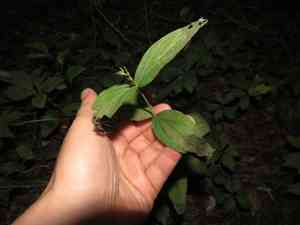
Woodland pinkroot (Spigelia marilandica)
Also known as: Worm-grass, Indian-pink, Maryland pinkroot, Worm grass, Perennial worm-grass
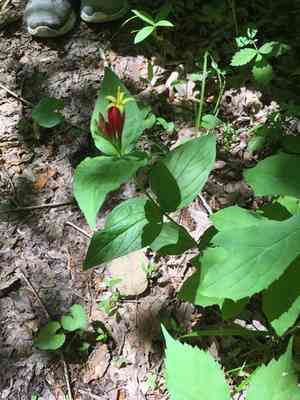
Woodland pinkroot (Spigelia marilandica) features striking red, tubular flowers accented with yellow tips, which rise above compact clusters of green foliage. While it naturally grows in the woodlands of the Eastern U.S., it can also thrive in garden settings given adequate drainage. This plant prefers partial to full shade and flourishes in moist, well-drained soils.
In This Article
Attributes of Woodland pinkroot
Lifespan
Perennial
Plant Type
Herb
Plant Height
30 cm to 61 cm
Spread
15 cm to 46 cm
Leaf Color
Green
Flower Size
2.5 cm to 5 cm
Flower Color
Yellow Red
Images of Woodland pinkroot
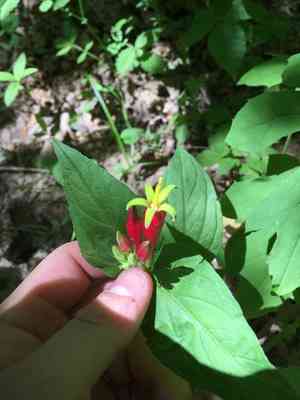
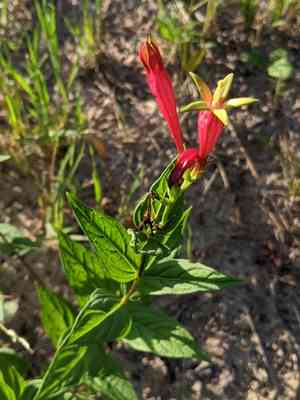
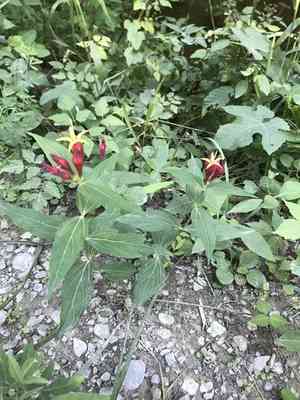
Quickly Identify Woodland pinkroot
1
Vivid red tubular blooms with yellow interiors, clustered in groups of 2 to 12.
2
Shiny, oval-shaped capsules with deep orange to reddish-brown color, containing angular seeds.
3
Paired ovate leaves with smooth texture, measuring 2 to 4 inches (5 to 10 cm) in length.
4
Toxic properties akin to strychnine in the plant, thriving in neutral pH soils.
5
Hardy perennial with upright growth, occasionally branching, attracting hummingbirds with luminous flowers.
Scientific Classification of Woodland pinkroot
Phylum
Vascular plants
Class
Dicotyledons
Order
Gentianales
Family
Logania
Genus
Pinkroots
Species
Woodland pinkroot
Planting and Growing of Woodland pinkroot
Care Difficulty
Moderate
Watering Schedule
Every 4 days
Sunlight Requirements
Partial sun
Sunshine Duration
6-10 hours
Ideal Temperature
60-75℉
Soil Type
Potting Mix, Peat Mix
Soil pH
5.5-7
Fertilizer Type
Balanced
Pruning Season
Spring, Summer
Pruning Area
Branches, Leaves
Pruning Frequency
2 times a year
Repotting Season
Spring
Pot Type
Plastic, Ceramic
 How to Water Woodland pinkroot?
Spigelia marilandica requires a moderate watering approach, where you aim to keep the soil consistently moist but not soggy. Water thoroughly until it begins to drain from the bottom of the pot, ensuring the entire root system is hydrated. A typical amount of 500 ml should suffice, depending on pot size and soil type.
What are the symptoms of an underwatered Woodland pinkroot?
›
What should I do if my Woodland pinkroot is not getting enough water?
›
What are the symptoms of an overwatered Woodland pinkroot?
›
How to save an overwatered Woodland pinkroot?
›
 What Are the Sunlight Requirements for Woodland pinkroot?
Partial sun or full shade suits Spigelia marilandica best, promoting healthy foliage and vibrant flowers. Ideal light ensures balanced growth and energy for blooming without the risks of stress from excessive light.
More About Sunlight Requirements Techniques→
Optimal Light Duration
›
Solutions for Ideal Light
›
Benefits of Ideal Lighting
›
 What Is the Ideal Temperature Range for Woodland pinkroot?
For Spigelia marilandica, maintaining an ideal temperature range between 60°F and 75°F facilitates optimal growth. This range allows the plant to thrive, providing suitable conditions for flowering and overall health. Temperatures in this range mimic the plant's natural environment, promoting its full potential in both growth and blooms.
 What Soil is Best for Woodland pinkroot?
Spigelia marilandica thrives in well-draining soil to prevent root rot. Ensuring good drainage allows its roots to access necessary oxygen, promoting healthier growth and vibrant blooms. The plant loves nutrient-rich loamy soil which provides it with essential minerals. This ensures robust growth and enhances the intensity of its striking red and yellow blooms. While Spigelia marilandica prefers well-draining soil, it also requires consistent moisture. Keeping the soil consistently moist supports its lush foliage and prevents wilting during dry spells.
 How to Fertilize Woodland pinkroot?
Spigelia marilandica requires a balanced and modest amount of fertilizer to thrive. When using liquid fertilizers, apply at half strength to avoid any chemical burns or nutrient overloads. A standard application involves using 1/4 cup of liquid fertilizer diluted with water per plant, ensuring that you water the plant before and after applying fertilizer to prevent root damage.
 How to Prune Woodland pinkroot?
Begin by examining the plant for stems that appear dead or damaged. These are often brown or brittle and should be removed to make way for healthier growth. When pruning, make cuts just above a leaf node or a set of healthy buds. This encourages the plant to branch out and sprout new growth in the spring. Trim the plant into a desired shape by cutting back long stems. This will keep the plant looking tidy and prevent it from becoming leggy.
More About Pruning Techniques→
 How to Propagate Woodland pinkroot plant?
1
Collect seeds from mature Spigelia marilandica plants in late summer. Clean the seeds thoroughly and allow them to dry before storing them in a cool, dry place until spring planting.
2
Take 4-6 inch cuttings from healthy, non-flowering stems in early summer. Remove lower leaves, dip the cut end in rooting hormone, and plant in a sterile growing medium.
3
In early spring, dig up mature clumps of Spigelia marilandica and gently separate the roots to create individual plants. Replant immediately to minimize root disturbance.
 How to Repot Woodland pinkroot plant?
1
Repot your Spigelia marilandica when you notice roots emerging through the drainage holes, soil drying out too quickly, or slowed growth. These signs indicate that the plant's current pot can no longer support its healthy development, and it's time for a new home.
2
Select a pot that is one size larger than the current one, with adequate drainage holes. A slightly larger pot provides room for root expansion without overwhelming the plant, which can help prevent issues like root rot and ensure proper nutrition uptake.
3
Opt for a well-draining potting mix that includes a mix of organic matter, such as compost, and inorganic materials like perlite. This blend ensures sufficient aeration and drainage, helping to prevent waterlogged roots and promoting healthy growth.
Toxicity
Ingestion
WARNING
The judgment on toxicity and danger is for reference only. We DO NOT GUARANTEE any accuracy of such judgment. Therefore, you SHALL NOT rely on such judgment. It is IMPORTANT TO SEEK PROFESSIONAL ADVICE in advance when necessary.



