The Woodland pinkroot Plant Advantage: Maximizing Home and Office Appeal and Wellness
1
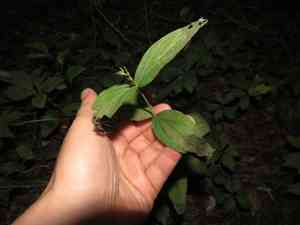
Woodland pinkroot is recognized for its vibrant red, tube-shaped blossoms that draw in hummingbirds and other pollinators.
2
This plant flourishes in forested garden settings, rendering it a superb option for naturalistic garden designs.
3
Woodland pinkroot exhibits distinct characteristics that contribute positively to soil vitality and regional ecological diversity.
What Makes Woodland pinkroot Special?
Distinctive Visual Appeal
Woodland pinkroot is recognizable by its vibrant red tubular blossoms that appear from late spring through early summer. These striking flowers not only add a burst of color to any garden but also remain a highlight among native flora. Its prominent blooms stand out against its dark green leaves, making it a captivating focal point or an attractive part of a larger plant arrangement.
Supports Local Wildlife
A key ecological advantage of Woodland pinkroot is its capacity to draw in pollinators. Hummingbirds, in particular, are attracted to its nectar-rich flowers. This relationship is mutually beneficial, as hummingbirds gain a reliable food source while the plant benefits from effective pollination. Beyond birds, various insects, including bees and butterflies, frequent the plant, thus supporting local biodiversity and ecosystem stability.
How Does Woodland pinkroot Benefit Soil Health?
Natural Soil Enrichment
Woodland pinkroot plays a crucial role in improving soil quality through its natural processes. The plant possesses deep-root systems that aid in aerating the soil, thereby promoting better root penetration for nearby plants. This, in turn, helps in fostering an environment where various soil microorganisms can flourish, assisting in nutrient cycling and soil fertility.
Erosion Control
The root structure of Woodland pinkroot is also advantageous for preventing soil erosion. Its dense roots help to anchor the soil firmly in place, especially in sloped areas or terrains prone to erosion. This characteristic makes it an ideal plant for stabilizing disturbed soils and maintaining the integrity of your garden or landscape.
Is Woodland pinkroot Easy to Grow?
Optimal Growing Conditions
Woodland pinkroot thrives in partially shaded to full-shade environments, making it an excellent choice for woodland gardens or shaded landscapes. It prefers moist, well-draining soils but can adapt to various soil types, provided it has adequate moisture during its growth period. Regular watering and occasional mulching will ensure the plant remains healthy and vigorous.
Low Maintenance Requirements
One of the appealing features of Woodland pinkroot is its minimal maintenance needs. Once established, the plant requires little care, thanks to its resilience and adaptability. It rarely suffers from pest infestations or diseases, making it an excellent option for gardeners seeking an easy-to-maintain yet visually striking plant.
Can Woodland pinkroot Be Used in Landscaping?
Enhancing Woodland Gardens
Woodland pinkroot is a fantastic addition to woodland gardens due to its shade tolerance and aesthetic appeal. It integrates seamlessly with other native woodland species, creating a cohesive and naturalistic landscape. Its bright flowers provide a striking contrast to the typically green backdrop of woodland settings.
Versatile Usage
Beyond woodland gardens, Woodland pinkroot can be utilized in various landscape designs, including mixed borders and naturalized areas. Its ability to thrive in different settings makes it a versatile choice for enhancing garden aesthetics and ecological value. By incorporating this plant into your landscape, you can contribute to biodiversity while enjoying its visual charm.



