How to Propagate Woodland pinkroot?
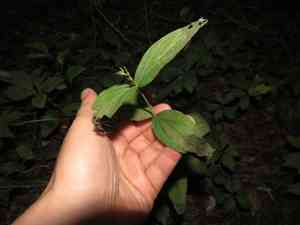
Woodland pinkroot, a native of forested regions, thrives in low-light conditions. To achieve successful propagation, seeds must be sown directly onto a rich, well-draining substrate, usually a blend of peat and perlite. Maintain consistent soil moisture without oversaturation and offer filtered light, replicating the natural setting of woodland pinkroot, to encourage peak development. When relocating seedlings, exercise extreme care with their fragile root structures to prevent transplant stress and foster strong growth.
Optimal Period for Woodland Pinkroot Propagation
Propagation Method
Seeding
Propagation Period
Spring
Essential Tools for Woodland Pinkroot Propagation
Seed trays
Seed trays offer a controlled setting for planting and sprouting woodland pinkroot seeds. They allow for efficient use of space and help maintain ideal moisture levels, vital for the delicate seeds of woodland pinkroot.
Fine soil or seed starting mix
A fine-textured, sterile seed starting mix improves contact around woodland pinkroot's seeds, aiding moisture retention and air circulation. This mix prevents diseases and supports healthier root growth during early stages.
Misting bottle or gentle watering system
Gentle hydration is crucial for woodland pinkroot's seeds without dislodging them. A misting bottle or a system providing a soft water spray ensures the soil stays uniformly moist without causing erosion or seed displacement.
Transparent cover or plastic wrap
A clear cover, such as a dome or plastic wrap, helps maintain high humidity and stable temperatures, simulating a greenhouse. This is essential for the successful germination of woodland pinkroot.
Labeling materials
Labels enable accurate tracking of planting dates and identification as sprouts emerge, which is critical for monitoring growth and providing appropriate care at various stages of woodland pinkroot's development.
How to Propagate Woodland Pinkroot?
Propagation Type
Simple
Post-Propagation Care for Woodland Pinkroot
How to Care for Your Newly Propagated Woodland Pinkroot?
After propagation, keep the soil of woodland pinkroot consistently moist but not waterlogged. Provide bright, indirect light and consider mulching to retain soil moisture. Fertilize with a balanced liquid fertilizer every 4-6 weeks during the growing season. Protect woodland pinkroot from extreme temperatures and winds, ensuring it's planted in a partial to full shade location as per its specific woodland habitat preferences.
Common Errors to Avoid When Propagating Woodland Pinkroot
Overwatering
Excessive watering can lead to root rot, which is harmful to woodland pinkroot's health. This plant prefers well-drained soil, and too much moisture can hinder root development and reduce successful propagation chances.
Deep planting
Planting woodland pinkroot cuttings or seeds too deeply can impede their ability to sprout and establish a strong root system. Proper depth is crucial for adequate light exposure and air circulation, essential for germination and initial growth.
Neglecting humidity
Ignoring the humidity requirements of woodland pinkroot during propagation can cause desiccation of plant tissues, especially in cuttings. Woodland pinkroot thrives in a humid environment, which encourages rooting and prevents drying out.
Overlooking sanitation
Not sanitizing tools or containers can introduce pathogens, leading to disease in woodland pinkroot. Clean propagation materials are vital to prevent fungal, bacterial, or viral infections that can compromise propagation efforts.
Advice for Propagating Woodland Pinkroot
Rooting hormone
Applying rooting hormone to the cut ends of woodland pinkroot cuttings can enhance root development. This practice promotes healthier, more robust roots, which are essential for successful plant establishment.
Indirect light
Exposing woodland pinkroot to indirect light during propagation ensures the plant receives sufficient light without damaging young, sensitive tissues. Direct sunlight can be too intense and cause scorching or excessive water loss.
Consistent moisture
Maintaining consistent soil moisture levels without waterlogging is key for woodland pinkroot propagation. The soil should be kept evenly moist but not saturated to support steady growth without risking root rot.
Gentle handling
Handling woodland pinkroot cuttings with care is crucial as they can be delicate during the rooting phase. Minimizing stress on the plant helps preserve its energy for root development and leads to more successful propagation.



