How to Prune Woodland pinkroot?
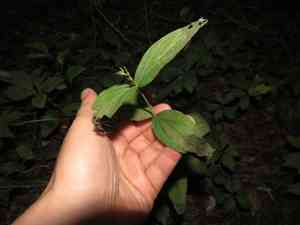
A perennial indigenous to forested areas, prized for its star-like blossoms and crimson stalks, woodland pinkroot flourishes with judicious trimming. Essential methods involve deadheading faded blooms to stimulate further flowering and eliminating aged leaves to foster robust development. The most effective pruning occurs after blooming in summer or early autumn. Spring pruning is also advantageous for shaping the plant and addressing any damage from winter. Trimming enhances air movement and can boost the subsequent season's floral display.
What Are the Benefits of Pruning Woodland Pinkroot?
What Are the Benefits of Pruning Woodland Pinkroot?
Trimming woodland pinkroot promotes abundant blooms, stimulates growth, and maintains a desired shape. By eliminating faded flowers and shaping the plant, gardeners can improve woodland pinkroot's appearance and vitality.
What Is the Best Time for Pruning Woodland Pinkroot?
What Is the Best Time for Pruning Woodland Pinkroot?
Pruning in late Spring, once frost danger has passed, ensures woodland pinkroot won't suffer cold damage after cutting. This timing also coincides with the start of its active growth, allowing woodland pinkroot to recover quickly and invest energy into new development. Early Summer is also suitable, especially post-flowering; pruning then can encourage a second bloom and maintain woodland pinkroot's desired form. Fall pruning is ideal for removing dead or diseased foliage, which helps prevent disease spread and reduces potential pest issues during winter dormancy. This timing also provides a neat look for winter, while ensuring the plant has ample time to harden new growth before the first frost.
What Tools Do I Need to Prune Woodland Pinkroot?
Hand Pruners
Perfect for precise cuts on woodland pinkroot, hand pruners are suitable for snipping stems and branches up to 3/4 inch in diameter. Opt for bypass pruners for clean cuts that encourage healthy regrowth.
Pruning Shears
Useful for shaping woodland pinkroot, pruning shears offer a scissor-like action that is less likely to crush delicate stems, preserving the plant's appearance and health.
Garden Scissors
For deadheading and minor trimming, garden scissors provide control and accuracy without harming nearby stems or leaves of woodland pinkroot.
Pruning Saw
For the occasional older or thicker branch that exceeds hand pruner capacity, a small pruning saw can cut cleanly without tearing woodland pinkroot's bark.
How to Prune Woodland Pinkroot
Continuous Monitoring
Regularly check woodland pinkroot for signs of diseased leaves, withered leaves, and withered flowers that need removal.
Sterilize Tools
Before starting pruning, sanitize your pruning tools with alcohol or a bleach solution to prevent disease transmission.
Prune Diseased
Carefully trim off any diseased leaves from woodland pinkroot at the leaf's base, ensuring not to harm healthy tissue.
Remove Withered Parts
Remove withered leaves and flowers from woodland pinkroot by cutting them back to the base or to the next healthy leaf node to stimulate new growth.
Clean Up
Dispose of the removed material from woodland pinkroot away from healthy plants to prevent any potential disease spread and clear any debris from the area.
Common Pruning Mistakes with Woodland Pinkroot
Overpruning
Removing too much foliage at once can stress woodland pinkroot, potentially leading to reduced vigor and flowering.
Improper Cut Location
Cutting too close or too far from the node can either damage the stem or leave a stub that can invite pests and diseases.
Pruning During Active Growth
Pruning woodland pinkroot when it is actively growing can hinder its development and bloom production.
Using Dull Tools
Dull pruning tools can cause jagged cuts that make woodland pinkroot more susceptible to disease.
Common Pruning Tips for Woodland Pinkroot
Clean Cuts
Use sharp, clean shears to make precise cuts, reducing damage to woodland pinkroot's tissues and promoting quicker healing.
Shape Maintenance
Prune woodland pinkroot to maintain its natural habit, removing only what is necessary to improve plant structure and health.
Deadheading
Remove spent flowers of woodland pinkroot to encourage further blooming and prevent seed production that can exhaust the plant.
Disease Prevention
Regular inspection and removal of any diseased or damaged parts of woodland pinkroot will help maintain plant health.



