How Much Sunlight Do Woodland pinkroot Need?
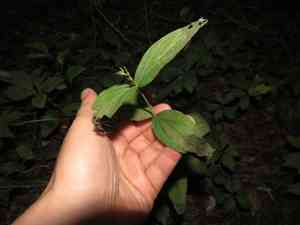
1
Woodland pinkroot flourishes optimally in areas with partial shade, getting approximately 3-6 hours of sun each day.
2
Filtered sunlight, where light penetrates through tree leaves, imitates the plant's native environment.
3
Even in complete shade, Woodland pinkroot can endure the circumstances, rendering it versatile for diverse garden placements.
Optimal Light Conditions for Woodland pinkroot
Understanding Partial Shade for Woodland pinkroot
Woodland pinkroot, a charming and vibrant garden addition, thrives in partial shade. This means it performs best with approximately 3-6 hours of daily sunlight. Its natural habitat in woodlands, where trees provide filtered light, makes partial shade the ideal condition. It's crucial to ensure the sunlight received isn't harsh midday sun, which can damage its delicate foliage.
The Importance of Dappled Sunlight
Another beneficial aspect of partial shade for Woodland pinkroot is dappled sunlight. This light occurs when sun rays pass through the canopy of taller trees, creating a pattern of light and shadow. This mimics the plant's native woodland environment, offering balanced exposure for healthier, more vibrant growth. Placing your plant under trees or using shade cloth to create this dappled light can greatly enhance its vitality.
Optimizing Woodland pinkroot's Sunlight Exposure
Selecting the Appropriate Garden Spot
Correctly positioning your Woodland pinkroot is vital for its health. Seek a garden location that receives morning sun and afternoon shade. East-facing areas are often perfect, providing gentle, early light without the risk of intense afternoon rays. When planting near trees, ensure adequate spacing to prevent root competition and allow good air circulation.
Utilizing Other Plants or Structures for Shading
To optimize sunlight exposure, you can also employ taller plants or garden features to create shade. Companion planting with taller, shade-providing species like hostas or ferns can offer necessary protection from excessive sunlight. Alternatively, installing pergolas, shade cloth, or lattice structures can help manage light conditions, providing Woodland pinkroot with an ideal growing environment.
Common Sunlight-Related Issues for Woodland pinkroot
Indicators of Excessive Sunlight
While Woodland pinkroot appreciates a fair amount of sunlight, too much can cause problems. Signs of overexposure include scorched or bleached leaves, wilting during the hottest part of the day, and overall stunted development. If these symptoms appear, consider relocating the plant to a shadier spot or providing extra shade during peak sun hours.
Indicators of Insufficient Sunlight
Conversely, inadequate sunlight can also impede Woodland pinkroot's growth. Symptoms of insufficient light include leggy growth, fewer blossoms, and a general lack of vigor. If your plant appears to be stretching towards light or producing fewer flowers, try moving it to a brighter location or pruning surrounding plants to allow more light penetration.
Seasonal Sunlight Adjustments for Woodland pinkroot
Spring and Summer Light Requirements
During spring and summer, Woodland pinkroot needs sufficient light to fuel its growth and blooming phase. Aim for 3-6 hours of direct sunlight during the less intense morning hours. As temperatures rise, ensure the plant is shielded from harsh midday sun by utilizing natural shade from other plants or garden structures.
Autumn and Winter Adaptations
As days shorten and sunlight intensity decreases in fall and winter, Woodland pinkroot can tolerate full shade more comfortably. During these cooler periods, the plant enters a more dormant phase, requiring less light. If the plant is in a spot that receives reduced light due to the sun's angle, it should still thrive and prepare for the next growing season.



