Enhancing Your Garden Design with the Woodland pinkroot Plant: A Landscaping Guide
1
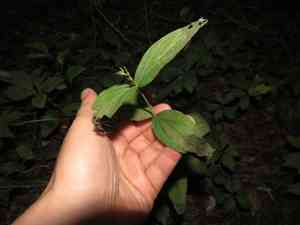
Woodland pinkroot flourishes in dappled light and damp ground.
2
Its vivid blooms can introduce a burst of hue to any garden space.
3
Strategic plant pairings can enhance the vitality and development of Woodland pinkroot.
Appreciating the Aesthetic Qualities of Woodland pinkroot
Recognizing the distinctive characteristics of Woodland pinkroot
The unique charm of Woodland pinkroot stems from its vivid red blossoms, which offer a striking contrast against its rich, green foliage. The flowers frequently form tubular shapes, attracting hummingbirds and other pollinators, thereby adding both visual beauty and ecological value to your garden. Its singular attributes make it a focal point in any landscape, captivating both nature lovers and casual garden visitors.
How Woodland pinkroot's color scheme complements various garden designs
Woodland pinkroot provides a versatile color palette with its vibrant red blooms and deep green leaves. This combination integrates well with diverse garden themes. Whether you're aiming for a wildflower garden, a woodland setting, or a modern minimalist design, Woodland pinkroot can introduce a burst of color and an element of natural elegance. It pairs effectively with both cool and warm tones, allowing for creative freedom in your garden planning.
Seasonal transformations and their visual impact with Woodland pinkroot
Throughout the year, Woodland pinkroot undergoes various changes that heighten its visual appeal. In spring and summer, you can anticipate an abundance of bright flowers that will capture the attention of both people and wildlife. As autumn arrives, the blooms may fade, but the foliage often retains its lush green hue, providing a consistent backdrop in your garden. Understanding these seasonal shifts can help you plan and maintain an aesthetically pleasing landscape year-round.
Optimal Placements for Woodland pinkroot in Your Garden
Evaluating light and shade requirements for Woodland pinkroot
Woodland pinkroot flourishes best in partial shade, making it an excellent selection for woodland and shaded garden areas. Excessive direct sunlight can impede its growth and may cause the flowers to fade more rapidly. Ideal planting spots include areas receiving dappled light or morning sun with afternoon shade. Understanding these light needs will help you position Woodland pinkroot for robust growth and vibrant blooms.
Choosing ground-level or elevated plantings for Woodland pinkroot
Deciding whether to plant Woodland pinkroot at ground level or in an elevated position can significantly affect its growth and visual impact. Ground plantings are perfect for creating a naturalistic appearance, blending seamlessly with other woodland flora. Elevated plantings, such as raised beds or containers, can make the vibrant flowers more accessible and noticeable, especially in larger garden landscapes. Both approaches have merits, depending on your overall garden design preferences.
Proximity to water features and moisture considerations
Given its preference for moist soil, planting Woodland pinkroot near water features like ponds or streams can be highly advantageous. These environments can naturally supply the necessary humidity and moisture that Woodland pinkroot requires. However, it's also crucial to ensure proper drainage, as overly saturated soil can lead to root rot. Balancing water proximity with adequate soil drainage will help maintain a healthy, thriving Woodland pinkroot.
Companion Planting and Woodland pinkroot
Selecting companion plants for Woodland pinkroot: what performs best?
Choosing suitable companion plants for Woodland pinkroot can enhance both its aesthetic appeal and growth vigor. Consider pairing it with other shade-loving plants such as ferns, hostas, and wood asters. These plants not only thrive in similar conditions but also create a layered, textured look in your garden. The key is to select plants that complement Woodland pinkroot's light and moisture needs for a harmonious garden setting.
How companion planting improves the growth and health of Woodland pinkroot
Companion planting can greatly benefit Woodland pinkroot by fostering a supportive ecosystem. For instance, planting it alongside nitrogen-fixing plants can enrich the soil, providing essential nutrients. Additionally, companion plants can offer natural pest control and create a diverse habitat that encourages beneficial insects and pollinators. This synergy not only enhances Woodland pinkroot's growth but also promotes a more resilient garden environment.
Avoiding common errors in companion planting with Woodland pinkroot
While companion planting offers numerous advantages, there are frequent mistakes to avoid. Ensure that companion plants do not compete excessively for nutrients, water, or light. Avoid planting invasive species that may overshadow or suppress Woodland pinkroot's growth. Regularly monitor and manage the plant ecosystem in your garden to ensure that all plants, including Woodland pinkroot, flourish harmoniously.



