How to Transplant Narrow-leaf blue-eyed grass?
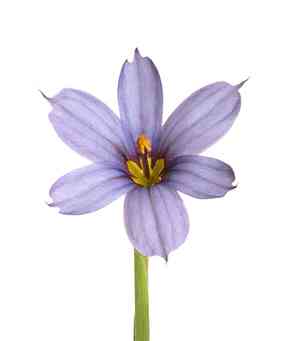
For Sisyrinchium angustifolium, the optimal period for relocation is during early spring, when conditions are cool but luminous, facilitating robust root development. Position it in soil that drains effectively, under conditions of partial sunlight. Should it be necessary, carefully separate the roots to promote expansion.
What Preparations are Needed Before Transplanting Narrow-leaf Blue-eyed Grass?
What is the Ideal Time for Transplanting Narrow-leaf Blue-eyed Grass?
The optimal period for relocating narrow-leaf blue-eyed grass is from early to mid-spring. This timing leverages the cooler, damp soil conditions, which are perfect for root establishment without the stress of summer heat, ensuring narrow-leaf blue-eyed grass flourishes in its new spot.
How Much Space Should You Leave Between Narrow-leaf Blue-eyed Grass Plants?
Position your narrow-leaf blue-eyed grass plants approximately 8-12 inches (20-30 cm) apart. This provides ample room for growth without overcrowding. Enjoy your gardening!
What is the Best Soil Mix for Narrow-leaf Blue-eyed Grass Transplanting?
Narrow-leaf blue-eyed grass thrives in soil that drains well. Incorporate a foundational fertilizer, such as compost or manure, to provide a nutrient-rich beginning. Remember, a strong start leads to a vibrant plant!
Where Should You Relocate Your Narrow-leaf Blue-eyed Grass?
Select a site for narrow-leaf blue-eyed grass that receives full sun to partial shade. Excessive shade may hinder its growth. Don't forget, sunlight is crucial for plants!
What Equipments Should You Prepare Before Transplantation Narrow-leaf Blue-eyed Grass?
Gardening Gloves
To safeguard your hands from potential scrapes and irritation when handling the plant and soil.
Shovel or Garden Spade
Necessary for excavating the plant from its original spot and for preparing the new location.
Garden Trowel
Useful for extracting the plant from containers or seedling trays, and for moving it to the new site.
Watering Can
To thoroughly hydrate the plant both before and after its relocation.
Wheelbarrow
Convenient for transporting the plant, especially if it's large, from its initial position to the new area.
Gardening Pruner
To trim away any damaged or diseased roots prior to transplanting the narrow-leaf blue-eyed grass.
How Do You Remove Narrow-leaf Blue-eyed Grass from the Soil?
How Do You Remove Narrow-leaf Blue-eyed Grass from the Soil?
From Ground: Begin by watering the narrow-leaf blue-eyed grass to moisten the surrounding soil, which will facilitate plant removal. Dig a wide, shallow trench around the plant using a shovel or spade, being careful to avoid root damage. Gently work the spade beneath the roots to lift the plant.From Pot: Water the plant thoroughly to dampen the soil. Turn the pot on its side, grasp the narrow-leaf blue-eyed grass as close to its base as possible, and pull gently. Ensure the root ball detaches intact.From Seedling Tray: Water the seedlings and allow them to soak. Use a trowel to carefully scoop out the narrow-leaf blue-eyed grass seedlings, making sure the root ball remains undamaged.
Step-by-Step Guide for Transplanting Narrow-leaf Blue-eyed Grass
Preparation
Water the narrow-leaf blue-eyed grass plant several hours before transplanting to ensure its roots are well-hydrated, which will lessen transplant shock. Also, water the transplant hole so it's damp before placing the plant.
Removing the plant
Utilize the appropriate tools and follow the previously described method, depending on where the narrow-leaf blue-eyed grass is currently growing.
Transplanting
Position the narrow-leaf blue-eyed grass in the new hole, ensuring it's neither too deep nor too shallow. The top of its root ball should be level with the ground surface. Backfill the hole with the original soil, gently firming it around the plant's base. Avoid pressing down too hard, which could overly compact the soil.
Watering
After transplanting, gently water the narrow-leaf blue-eyed grass, moistening the soil without making it waterlogged. This provides initial hydration for the narrow-leaf blue-eyed grass after moving to its new location.
How Do You Care For Narrow-leaf Blue-eyed Grass After Transplanting?
Watering
Maintain consistent soil moisture levels, without waterlogging, to encourage the development of new roots. Excessive water can lead to root rot.
Pruning
After a few weeks post-transplant, consider pruning the narrow-leaf blue-eyed grass to promote fuller, more vigorous growth. Only trim about one-third of the plant's outer foliage.
Monitoring
Observe the narrow-leaf blue-eyed grass closely for the initial weeks, looking for signs of stress such as wilting, yellowing, or dropping leaves. If these symptoms appear, they may indicate watering issues or a potential disease.
Acclimation
Understand that narrow-leaf blue-eyed grass may experience some shock after transplanting. Allow it time to adjust to its new surroundings before expecting new growth.
Troubleshooting Common Issues with Narrow-leaf Blue-eyed Grass Transplantation.
When is the best time to transplant narrow-leaf blue-eyed grass?
The optimal period to transplant narrow-leaf blue-eyed grass is during its growth phase, specifically Stage 1 to Stage 2. This allows the plant ample time to adapt to its new environment.
How much spacing does narrow-leaf blue-eyed grass need when transplanting?
Narrow-leaf blue-eyed grass prefers an airy space to grow. Ensure you provide at least 8-12 inches (20-30 cm) between each plant to encourage healthy development.
Why is my transplanted narrow-leaf blue-eyed grass wilting?
Wilting could be due to transplant shock, or excessive watering. Gently introduce narrow-leaf blue-eyed grass to its new home, and ensure it receives the correct amount of moisture.
What soil is best for transplanting narrow-leaf blue-eyed grass?
Narrow-leaf blue-eyed grass thrives in soil that drains well. Rich, loamy soil is ideal, as it supports good root development and prevents water accumulation.
Can I transplant narrow-leaf blue-eyed grass to a deeper or shallower spot?
Always transplant narrow-leaf blue-eyed grass to a location with the same depth as its previous spot. This maintains root system stability and helps the plant adapt better.
What if I find pests on narrow-leaf blue-eyed grass during transplantation?
If you discover pests while transplanting narrow-leaf blue-eyed grass, treat the plant with a gentle, plant-safe pesticide to prevent further damage before moving it to a new spot.
How can I reduce transplant shock in narrow-leaf blue-eyed grass?
Water narrow-leaf blue-eyed grass thoroughly immediately after transplanting and maintain a consistent watering schedule thereafter. Minimize exposure to harsh conditions for the first few weeks.
How frequently should I water my transplanted narrow-leaf blue-eyed grass?
Watering frequency for the transplanted narrow-leaf blue-eyed grass varies based on weather and soil conditions. Generally, ensure the soil is moist but not saturated.
What care tips would you suggest for narrow-leaf blue-eyed grass post-transplantation?
After transplantation, reduce exposure to severe weather. Regular watering and providing essential nutrients through compost or a balanced fertilizer contribute to narrow-leaf blue-eyed grass's successful growth.
When should I transplant narrow-leaf blue-eyed grass if itâs an annual?
If narrow-leaf blue-eyed grass is an annual, the best time to transplant is after the last frost of the season. This ensures the plant has sufficient time to grow before the next frost.



