The Narrow-leaf blue-eyed grass Plant Advantage: Maximizing Home and Office Appeal and Wellness
1
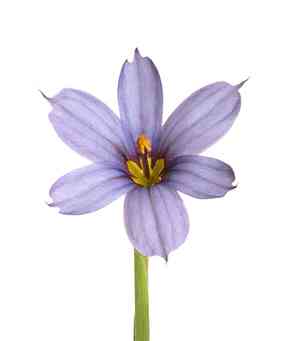
This botanical specimen is recognized for its vivid azure blooms.
2
It requires minimal upkeep, making it suitable for any garden space.
3
This flora contributes to local biodiversity by drawing in pollinating insects.
What Makes Narrow-leaf blue-eyed grass Stand Out?
Visual Allure
A prominent characteristic of Narrow-leaf blue-eyed grass is its stunning blue blossoms. These vivid flowers can introduce a burst of color to any garden, making it an appealing choice for gardeners aiming to enhance their outdoor areas. The delicate and distinctive appearance of Narrow-leaf blue-eyed grass can complement various landscape designs, from contemporary to classic gardens.
Effortless Upkeep
Narrow-leaf blue-eyed grass is a resilient plant that demands minimal care, making it an excellent option for both beginner and seasoned gardeners. It flourishes in diverse soil types and can endure both full sun and partial shade. This adaptability makes it a versatile plant capable of thriving in different garden environments with ease.
Ecological Advantages of Narrow-leaf blue-eyed grass
Supports Pollinators
Plants like Narrow-leaf blue-eyed grass are crucial for sustaining local ecosystems. Their vibrant flowers attract various pollinators such as bees and butterflies, which are vital for the fertilization of many other plants. By incorporating Narrow-leaf blue-eyed grass into your garden, you are fostering biodiversity and helping to maintain populations of these important creatures.
Soil Stabilization
The root system of Narrow-leaf blue-eyed grass is effective at preventing soil erosion. This plant can be particularly advantageous in areas prone to soil runoff or in gardens with inclines, as it helps to stabilize the soil and preserve the integrity of the landscape. Its roots bind the soil together, lessening the impact of heavy rains and wind.
How to Grow Narrow-leaf blue-eyed grass in Your Garden
Planting Advice
To successfully cultivate Narrow-leaf blue-eyed grass, select a well-drained location with access to sunlight. While Narrow-leaf blue-eyed grass can tolerate partial shade, full sun will encourage more robust flowering. When planting, ensure the soil is loose and free of large clumps to promote good root development.
Watering and Fertilization
Narrow-leaf blue-eyed grass typically requires moderate watering. Ensure the soil remains moist but not waterlogged, as excessive moisture can lead to root rot. Additionally, apply a balanced fertilizer during the growing season to support healthy growth and vibrant flowers.
Common Pests and Diseases
Pest Prevention
Narrow-leaf blue-eyed grass is generally resistant to many common garden pests. However, you should still monitor for any signs of pest activity, such as aphids or slugs. Regularly check the plant and use organic pest control methods if necessary to maintain its health.
Disease Management
Although Narrow-leaf blue-eyed grass is relatively disease-resistant, it can be susceptible to fungal infections in overly wet conditions. To prevent this, ensure proper spacing between plants to promote good air circulation and avoid overwatering. If you notice any signs of disease, remove affected areas promptly to prevent further spread.
Enhancing Your Garden with Narrow-leaf blue-eyed grass
Companion Planting
Narrow-leaf blue-eyed grass pairs well with various other plants, making it a great option for companion planting. Consider planting it alongside other native wildflowers or ornamental grasses to create a diverse and visually appealing garden space. The combination of different textures and colors can enhance the overall beauty and appeal of your garden.
Seasonal Interest
One of the key benefits of Narrow-leaf blue-eyed grass is its ability to provide seasonal interest. Its vibrant flowers bloom in the spring and early summer, offering a welcome burst of color after the winter months. By planting Narrow-leaf blue-eyed grass, you can ensure that your garden remains lively and attractive throughout the growing season.



