How to Overwinter Narrow-leaf blue-eyed grass
1
Narrow-leaf blue-eyed grass is resilient to frost and can endure severe winter weather with appropriate attention.
2
Applying mulch is essential for safeguarding roots in winter; target a mulch layer of 5 to 10 cm (2 to 4 inches).
3
Consistently inspect for indications of pests and illnesses, even in colder months, to maintain plant vitality.
Understanding Narrow-leaf blue-eyed grass
Understanding Narrow-leaf blue-eyed grass
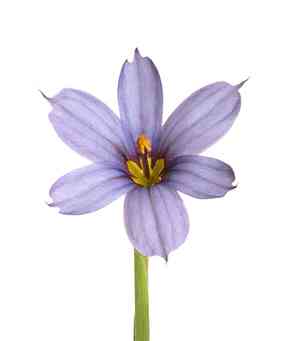
Narrow-leaf blue-eyed grass (Sisyrinchium angustifolium) is a charming perennial known for its delicate, star-like blue flowers that bloom in late spring to early summer. Despite its name, it is not a true grass but belongs to the Iris family. This hardy plant can be grown in USDA zones 4â9, making it quite resilient against cold weather. Whether you're a seasoned gardener or a novice, understanding the needs of Narrow-leaf blue-eyed grass is essential for successful overwintering.
Preparing Narrow-leaf blue-eyed grass for Winter
When to Start Preparation
The optimal time to begin readying your Narrow-leaf blue-eyed grass for winter is in late autumn, prior to the first frost. Aim for early to mid-November. This provides ample time to make necessary adjustments and safeguard the plant before the cold weather arrives.
Pruning Techniques
Start by trimming the foliage to approximately 10 cm (4 inches) above the ground. This helps prevent diseases and makes the plant less appealing to pests. Always use clean, sharp tools to avoid damaging the plant and spreading infections. Removing dead or yellowing leaves can also be beneficial.
Soil and Mulching Instructions
After pruning, focus on the soil and mulching. Ensure the soil around your plant is well-drained, as standing water can freeze and damage roots. Apply a thick layer of mulch, around 5 to 10 cm (2 to 4 inches), over the base of the plant. Mulch acts as an insulating layer, protecting the roots from temperature fluctuations. Good mulching materials include straw, shredded bark, or compost.
Best Practices for Overwintering Narrow-leaf blue-eyed grass Outdoors
Watering Guidelines During Winter
Watering needs decrease significantly during winter. However, it's crucial to keep the soil slightly moist. Water the plant thoroughly before the ground freezes to ensure it has adequate moisture. After that, water sparingly, only when the soil feels dry to the touch.
Monitoring for Pests and Diseases
Even in winter, your Narrow-leaf blue-eyed grass can fall prey to pests and diseases. Regularly inspect the plant for signs of trouble, such as mold, mildew, or insect damage. If you spot any issues, treat them promptly using eco-friendly sprays or neem oil. Keeping the plant healthy helps it bounce back stronger in the spring.



