The Hidden Danger in Your Home? Unmasking the Toxicity of the Narrow-leaf blue-eyed grass Plant.
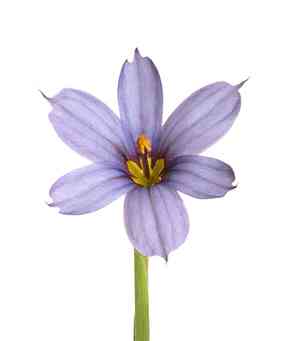
1
Narrow-leaf blue-eyed grass exhibits a slight degree of toxicity to felines, potentially manifesting if ingested in significant amounts.
2
Every component of narrow-leaf blue-eyed grass is poisonous and has the potential to induce physical distress, sickness, or painful responses in companion animals.
3
Consuming narrow-leaf blue-eyed grass could result in digestive disturbances in canines, including emesis and loose stools.
Is Narrow-leaf blue-eyed grass toxic to cat?
Narrow-leaf blue-eyed grass exhibits a slight toxicity to felines, which may manifest if consumed in significant amounts. Every part of this plant is deemed harmful and could induce general discomfort, sickness, or painful responses in cats. Although specific symptoms aren't listed, cat owners should be watchful for any signs of distress in their pets. Should a cat be suspected of ingesting any part of narrow-leaf blue-eyed grass, prompt veterinary attention is vital for their health and safety.
Is Narrow-leaf blue-eyed grass toxic to dog?
Narrow-leaf blue-eyed grass presents a low toxicity danger to canines. While not usually fatal, consuming large quantities of the plant can result in negative health consequences. Dogs can be poisoned by eating any section of narrow-leaf blue-eyed grass, as all components of the plant contain harmful substances. Poisoning indicators might include digestive upset, such as throwing up and loose stools, sluggishness, or other minor illness signs. If you believe your dog has eaten narrow-leaf blue-eyed grass, it's essential to get veterinary help quickly to ensure proper care and avoid more serious health problems.



