How to Prune Narrow-leaf blue-eyed grass?
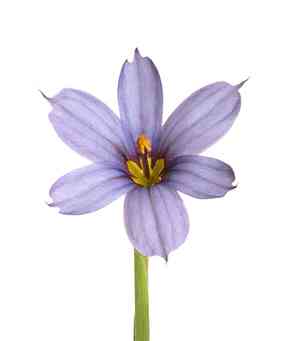
This enduring herbaceous plant, recognized for its delicate leaves and star-shaped azure blossoms, flourishes with little attention. For narrow-leaf blue-eyed grass, deadhead spent blooms to stimulate further flowering and preserve a neat look. Trim back the leaves in early spring to foster robust new development. The best time for pruning extends from early spring through late summer, aligning with the plant's peak growth phase. Consistent trimming aids narrow-leaf blue-eyed grass by boosting flower production and inhibiting self-propagation, which might result in excessive dispersal.
What Are the Benefits of Pruning Narrow-leaf Blue-eyed Grass?
What Are the Benefits of Pruning Narrow-leaf Blue-eyed Grass?
Trimming narrow-leaf blue-eyed grass promotes more vigorous development and helps keep its neat, compact form. Properly thinning old stems leads to healthier leaves and can improve its attractive floral display.
What Is the Best Time for Pruning Narrow-leaf Blue-eyed Grass?
What Is the Best Time for Pruning Narrow-leaf Blue-eyed Grass?
Pruning in early spring is optimal for narrow-leaf blue-eyed grass, as this occurs just before its active growth phase begins. This timing allows the plant to recover and direct energy into new growth, which is beneficial for its vitality. Furthermore, pruning before new growth starts ensures the plant maintains its desired shape and size as it develops. Late summer pruning is also acceptable, performed after the blooming period concludes. This helps remove faded flowers and encourages a neat look while preparing the plant for the next growing season. Pruning during these periods aligns with narrow-leaf blue-eyed grass's life cycle, thereby boosting its overall development and flowering potential.
What Tools Do I Need to Prune Narrow-leaf Blue-eyed Grass?
Hand Pruners
For precise trimming and shaping of narrow-leaf blue-eyed grass, sharp bypass hand pruners are ideal. They create clean cuts without crushing the delicate stems.
Scissors
Garden scissors can be utilized for light trimming of narrow-leaf blue-eyed grass's foliage, particularly to remove spent blossoms and tidy up the plant's appearance.
Gardening Gloves
When pruning narrow-leaf blue-eyed grass, wearing gloves is advisable to safeguard hands from any rough foliage or sharp edges while handling the plant.
Shears
If narrow-leaf blue-eyed grass is used as ground cover and requires extensive reshaping, long-handled shears can facilitate an even trim across larger areas without needing to stoop.
How to Prune Narrow-leaf Blue-eyed Grass
Step1: Post-Bloom Timing for Pruning
Wait for narrow-leaf blue-eyed grass to finish flowering before starting any pruning, to avoid accidentally removing unopened blooms. Typically, narrow-leaf blue-eyed grass flowers from late spring to summer.
Step2: Identifying Dead Flower Stalks
Examine the narrow-leaf blue-eyed grass and locate the dead flower stalks. These are usually easy to spot as they will be brown and dry, while living stalks are green and may still have flowers or seed pods.
Step3: Sterilizing Cutting Tools
Use clean, sharp scissors or pruning shears for precise cuts. Sanitize your cutting tool with rubbing alcohol or a bleach solution before and after pruning to prevent disease spread.
Step4: Cutting Dead Stalks at Base
Cut the dead flower stalks at their base, close to where they emerge from the foliage. Avoid leaving stubs, as this can encourage disease and pest infestation.
Step5: Angled Cutting Technique
Make cuts at an angle to allow water to drain off and prevent rot and disease. A clean cutting technique will support the health and growth of narrow-leaf blue-eyed grass.
Step6: Disposal of Pruned Stalks
Properly dispose of the removed dead stalks. Do not leave them on the ground, as they can harbor pests or diseases. Compost them if they are disease-free.
Step7: Pruning Unhealthy Foliage
Inspect narrow-leaf blue-eyed grass for any other unhealthy or damaged leaves or stems, and prune these areas using the same methods to maintain overall plant health and appearance.
Step8: Watering After Pruning
Water narrow-leaf blue-eyed grass after pruning to help it recover from the stress of trimming. Ensure the soil is well-drained to prevent root rot, as narrow-leaf blue-eyed grass prefers moist but not waterlogged conditions.
Step9: Monitoring Post-Prune Growth
Monitor narrow-leaf blue-eyed grass after pruning for signs of new growth. Pruning typically stimulates fresh growth and should result in a healthier, more robust plant.
Step10: Annual Pruning Maintenance
Repeat the pruning process for dead flower stalks annually or as needed throughout the growing season, to keep narrow-leaf blue-eyed grass looking its best and to encourage more blooms.
Post-Pruning Care for Narrow-leaf Blue-eyed Grass
Post-Pruning Care for Narrow-leaf Blue-eyed Grass
After pruning narrow-leaf blue-eyed grass, water the plant thoroughly right away to lessen stress. Provide it with partial to full sun exposure, maintaining consistent moisture levels without overwatering. Shield narrow-leaf blue-eyed grass from extreme temperatures and wind. Apply a balanced, slow-release fertilizer to encourage healthy regrowth. Regularly check for discolored leaves or wilting as signs of stress or disease. If symptoms appear, isolate narrow-leaf blue-eyed grass and apply appropriate fungicide or pest control measures, following label instructions.
Common Pruning Mistakes with Narrow-leaf Blue-eyed Grass
Over-Pruning: Stressing Plant with Excessive Cutting
Pruning too aggressively, removing over one-third of narrow-leaf blue-eyed grass's growth, can stress the plant and diminish its vigor.
Incorrect Cutting: Damage to Plant Crown and Flowering
Cutting into the dense clumps too deeply, which can harm the crown of narrow-leaf blue-eyed grass and hinder its ability to produce flowers.
Neglecting Dead Foliage: Pest and Disease Risks
Ignoring dead or diseased foliage, which can harbor pests and diseases, negatively impacting the overall health of narrow-leaf blue-eyed grass.
Improper Tool Maintenance: Jagged Cuts and Diseases
Using dull or dirty pruning tools, which can result in jagged cuts and heighten the risk of disease transmission.
Indiscriminate Pruning: Loss of Flower Buds
Pruning healthy tips without discretion, which can remove flower buds and reduce the blooming potential of narrow-leaf blue-eyed grass.
Common Pruning Tips for Narrow-leaf Blue-eyed Grass
Precise Cuts with Sharp, Clean Shears for Plant Health
Utilize sharp, clean pruning shears to make accurate cuts that will heal quickly and minimize disease risk for narrow-leaf blue-eyed grass.
Remove Dead Foliage to Sustain Plant Health and Appearance
Focus pruning efforts on eliminating dead or diseased foliage to maintain the health and aesthetic of narrow-leaf blue-eyed grass.
Gentle Thinning: Better Air Flow and Light for Blooms
Gently thin out overcrowded areas to improve air circulation and light penetration, which can enhance the blooming of narrow-leaf blue-eyed grass.
Encourage Blooms by Trimming Spent Flower Stalks
After flowering, trim off faded flower stalks to encourage narrow-leaf blue-eyed grass to produce more blooms and maintain a tidy appearance.
Conservative Pruning for Healthy Growth and Shaping
Adopt a conservative approach to pruning, removing only what is necessary to shape narrow-leaf blue-eyed grass and promote its growth, without over-pruning.



