How Much Sunlight Do Narrow-leaf blue-eyed grass Need?
1
Narrow-leaf blue-eyed grass flourishes with ample sun, needing a minimum of 6 hours of direct light daily.
2
Excessive sun exposure may lead to scorching of Narrow-leaf blue-eyed grass leaves, resulting in browning or yellowing.
3
This adaptable plant can also thrive in areas with some shade, particularly during peak daytime heat.
Why is Illumination Essential for Narrow-leaf blue-eyed grass?
Photosynthesis and Plant Vitality
Light is crucial for the Narrow-leaf blue-eyed grass. Through photosynthesis, plants convert light into energy, powering their growth and development. For this plant, sufficient light ensures strong health, vibrant green foliage, and sturdy stems. Insufficient light can result in weak, elongated plants more prone to disease.
Effect on Flowering
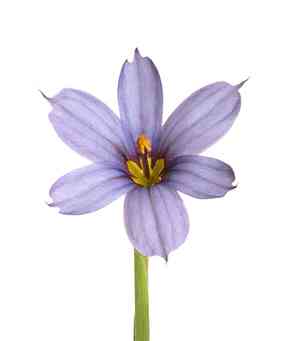
Light directly impacts the flowering cycle of the Narrow-leaf blue-eyed grass. This charming plant produces delicate blue blossoms that open in the morning and close by afternoon. Ample light is vital for abundant and consistent flowering. Without enough light, the plant may struggle to produce flowers or might not bloom at all.
How Many Hours of Light Does Narrow-leaf blue-eyed grass Need?
Optimal Light Duration
The Narrow-leaf blue-eyed grass thrives best with full sun, meaning it requires at least 6 hours of direct sunlight daily. Ideally, aim for 6-8 hours to ensure your plant receives the energy needed for optimal growth and vibrant blooms.
Morning vs. Afternoon Light
Morning sun is generally milder and less intense, making it perfect for the Narrow-leaf blue-eyed grass. Afternoon sun is stronger and can sometimes be overwhelming, especially in hotter climates. If possible, position your plant where it can enjoy the morning sun and receive some partial shade during the hottest part of the afternoon.
What Occurs if Narrow-leaf blue-eyed grass Receives Excessive Light?
Signs of Overexposure
Too much light can quickly harm the Narrow-leaf blue-eyed grass. Look for signs like leaf burn, where the tips and edges of the leaves turn brown or yellow and become crispy. Another sign is wilting, even when the soil is adequately moist.
Impact on Plant Development
Excessive light not only burns the leaves but also impedes the overall growth of the Narrow-leaf blue-eyed grass. The plant may become stressed, exhibiting reduced vigor and slower growth. In severe cases, it may even cease blooming, as it redirects energy from flower production to coping with stress.
Can Narrow-leaf blue-eyed grass Flourish in Partial Shade?
Suitability of Partial Shade
The Narrow-leaf blue-eyed grass is a resilient plant that can adapt to partial shade, particularly in regions with extremely hot summers. While it prefers full sun, it can tolerate partial shade, which helps protect it from the intensity of the afternoon sun. A location receiving morning sun and afternoon shade works well.
Adjusting Light Requirements
If you reside in an area with exceptionally bright and hot weather, providing some afternoon shade can help your Narrow-leaf blue-eyed grass thrive. Utilize structures like pergolas, shade cloths, or natural shade from taller plants to create a balanced environment.
Advice for Ensuring Narrow-leaf blue-eyed grass Gets the Correct Amount of Light
Selecting the Right Spot
Choosing the ideal location for your Narrow-leaf blue-eyed grass can make a significant difference. Aim for a spot that receives uninterrupted morning light and possibly some light afternoon shade. Avoid placing the plant in areas where it will be shaded all day.
Managing Light Across Seasons
Remember that light intensity and duration vary with the seasons. During summer, consider providing some afternoon shade to shield the plant from intense heat. In winter, ensure the plant receives as much light as possible by placing it in a bright location.
Utilizing Reflective Materials
If your garden struggles with limited light due to nearby structures or tall trees, you can use reflective materials to maximize available light. Items like white stones, garden mirrors, or reflective garden cloth can help direct light towards your Narrow-leaf blue-eyed grass.



