How to Transplant Wild senna?
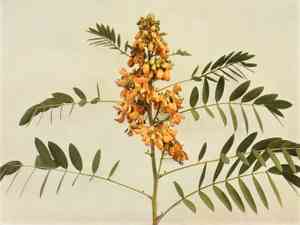
The optimal period for transplanting wild senna is during the spring season, as nature revives, encouraging vigorous development. Select a location that receives full sun to partial shade and possesses soil with good drainage. When handling wild senna, a delicate approach is crucial to preserve root health, facilitating smooth adaptation.
Preparations Required Before Relocating Wild Senna
Optimal Period for Transplanting Wild Senna
The best time to move wild senna is during its spring revival. This season offers wild senna ideal growth conditions – mild temperatures and ample moisture. Moving wild senna at this time promotes robust root development before summer. Spring's natural awakening provides wild senna with a gentle climate conducive to growth, minimizing transplant shock. The moderate weather and consistent rainfall of spring create a perfect environment for wild senna to flourish post-transplant.
Recommended Spacing Between Wild Senna Plants
When planting wild senna, ensure sufficient room for each young plant to expand. Aim for approximately 2-3 feet (60-90 cm) of space between them. This guarantees they have adequate room to grow without competing for resources!
Ideal Soil Mixture for Wild Senna Transplanting
Wild senna thrives in neutral to slightly acidic, well-draining soil. Before transplanting, enrich the ground with a layer of organic compost for nutrients and to aid in moisture retention. Proper preparation is crucial here!
Choosing the Right Location for Your Wild Senna
When selecting a spot for your wild senna plants, remember their love for sunlight. An area receiving full sun to partial shade is perfect. Be mindful of any large structures that might cast shade!
Equipment Needed Before Transplanting Wild Senna
Gardening Gloves
Essential for protecting your hands from potential harm while working with soil and plants.
Shovel or Spade
Required for digging the new planting hole and extracting the plant from its original spot.
Garden Fork
To gently loosen the soil around the plant in its initial location.
Watering Can
Used to hydrate the plant both before and after the transplanting process.
Wheelbarrow or Bucket
For transporting the wild senna plant to its new designated area.
Organic Compost
To enrich the transplant hole and supply nutrients for the plant's development.
Garden Trowel
For more precise digging and positioning the plant within the transplant hole.
How to Extract Wild Senna from the Soil
How to Extract Wild Senna from the Soil?
From Ground: Water the wild senna plant to moisten the soil, simplifying the removal process. Using a garden fork, carefully loosen the soil around the plant, ensuring the roots remain undamaged. Then, use a spade or shovel to dig a wide trench around the plant, being careful not to disturb the root ball. Gently slide the spade beneath the root ball and lift the plant from its original spot. From a Pot: Water the plant generously the day before you plan to transplant. Gently tip the pot sideways and carefully slide out the wild senna plant while supporting its base with your other hand. If the plant resists, it might be root-bound; gently squeeze the pot or run a small knife around the inside edge to loosen it. From Seedling Tray: Water the tray thoroughly before transplanting. Gently push from the bottom of each compartment to release the wild senna plant, taking care to protect its stem and root system. Handle the plant by its leaves, not the stem, to avoid damage.
Step-by-Step Guide for Transplanting Wild Senna
Site Preparation
Prepare the new location for wild senna before removing the plant from its current spot. The hole should be wide enough to comfortably accommodate the root ball with extra room for root expansion.
Compost Application
Add a layer of organic compost at the base of the hole for additional nutrients.
Planting
Carefully place the wild senna plant in the new hole, ensuring it is centered and upright. The top of the root ball should be slightly below the soil surface.
Backfilling
Gently fill the remainder of the hole with native soil, being careful not to cover the stem or foliage.
Watering
Provide the plant with a gentle, deep watering immediately after transplanting. Avoid overwatering and ensure proper drainage.
Post-Transplant Care for Wild Senna
Watering
Water the plant thoroughly after transplanting and maintain consistently moist soil for the next few weeks to help wild senna establish itself. Be careful not to overwater or make the soil soggy.
Monitoring
Observe the plant for any wilting or discolored leaves, which could indicate stress. If these signs appear, provide light shade for a few days.
Pruning
If the plant shows signs of stress after transplanting, consider light pruning to reduce the amount of foliage the roots need to support.
Troubleshooting Common Wild Senna Transplantation Issues
When is the best time to transplant wild senna?
The optimal period to move wild senna is during S1-S3, typically meaning early to late spring.
What is the ideal spacing for transplanting wild senna?
Ensure wild senna has ample room to grow. Ideally, each plant should be spaced approximately 2-3 feet (0.6-0.9 meters) apart.
What kind of soil does wild senna prefer for transplanting?
Wild senna thrives in well-draining soil. Avoid areas where water tends to accumulate, as excessively wet soil can lead to root rot.
What steps should I follow when transplanting wild senna?
Dig a hole twice the size of wild senna's root ball. Place the plant in the hole, filling it halfway with soil. Water thoroughly, then fill the rest with soil.
How deep should wild senna be planted during transplantation?
Wild senna should be planted at the same depth it was growing previously. This will help it adapt more quickly to its new environment.
How often should I water wild senna after transplanting?
Water wild senna thoroughly after transplanting, and then continue to provide it with regular moisture, but avoid overwatering to prevent root rot.
Is it necessary to add fertilizer after transplantation of wild senna?
Yes, incorporating slow-release organic fertilizer at the time of planting can help wild senna establish itself more rapidly in its new location.
Should I prune wild senna after transplanting?
Pruning is generally not required immediately after transplanting. If wild senna appears distressed, light pruning may help it direct energy towards root development.
My transplanted wild senna is wilting, what should I do?
Wilting can be caused by several factors. Ensure that wild senna is receiving enough water, but also that it's not waterlogged. Also, consider if it's getting appropriate sunlight.
What should I do if the transplanted wild senna shows no signs of growth?
Patience is essential. It can take several weeks for wild senna to exhibit new growth after being transplanted. If no growth is observed after a month, evaluate soil and light conditions.



