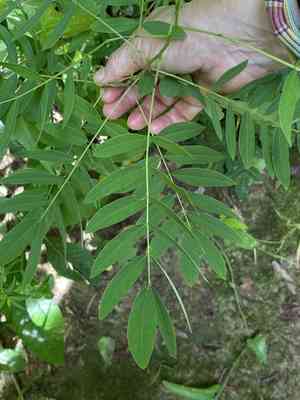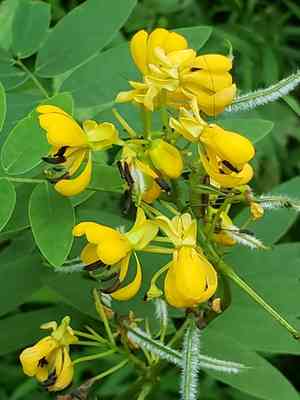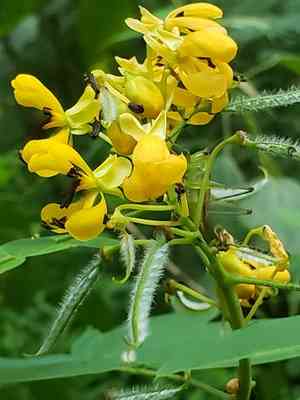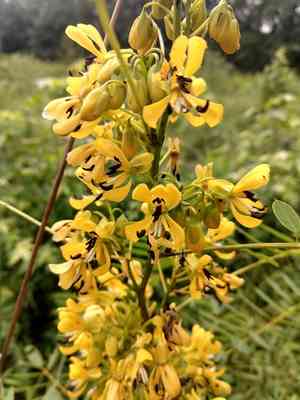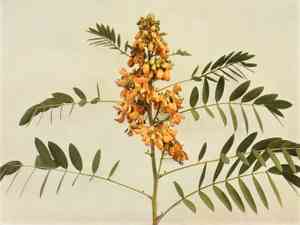
Wild senna(Senna hebecarpa)

Wild senna (Senna hebecarpa)

Also known as: Wild Senna, American Senna

Wild senna (Senna hebecarpa) is a notable perennial herb in the legume family, distinguished by its vibrant yellow flowers, elongated seed pods, and foliage that turns color in autumn. Although it used to be widespread across the Northeastern United States, it is now under protection due to its declining populations.

Key ecological roles of wild senna include:

1. **Pollinator Attraction**: The plant’s flowers are a magnet for bees and other pollinators, contributing significantly to the pollination of various plants in the area.
2. **Soil Enrichment**: As a legume, wild senna enhances soil quality by fixing atmospheric nitrogen, which benefits surrounding plant life.
3. **Erosion Prevention**: Its robust root system helps anchor soil, thereby mitigating erosion, especially in riparian zones and meadows.
4. **Wildlife Nutrition**: The seed pods of wild senna are a crucial food resource for species like the white bob bird, supporting local wildlife.

In summary, wild senna is vital for fostering pollinator activity, improving soil health, preventing soil erosion, and providing food for wildlife, thus playing a significant role in the ecosystem of the Northeastern United States.

Attributes of Wild senna

Lifespan
Perennial
Plant Type
Herb
Plant Height
1.2 m to 1.8 m
Spread
60 cm to 90 cm
Leaf Color
Green
Flower Size
2.5 cm
Flower Color
Yellow

ForwardPlant - Identify plants with a snap

Identify and diagnose plants, get toxicity alerts, and explore safety guides for all types of fungi.

Try for Free

Images of Wild senna

Wild senna(Senna hebecarpa)

Quickly Identify Wild senna

1
Robust growth up to 3-4 feet (90-120 cm)
2
Bright yellow flowers with white aging petals
3
Distinctive dark brown 4-inch (10 cm) seedpods
4
Compound pinnate leaves with 5-10 pairs of oblong leaflets
5
Light green stem with sparse branching, hairy texture

Scientific Classification of Wild senna

Phylum
Vascular plants
Class
Dicotyledons
Order
Fabales
Family
Legume
Genus
Sennas
Species
Wild senna

Planting and Growing of Wild senna

Care Difficulty
Easy
Watering Schedule
Every 3 days
Sunlight Requirements
Full sun
Sunshine Duration
6-10 hours
Ideal Temperature
60-75℉
Soil Type
Potting Mix, Peat Mix
Soil pH
6.5-7.5
Fertilizer Type
Balanced
Pruning Season
Spring, Summer
Pruning Area
Branches, Leaves
Pruning Frequency
2 times a year
Repotting Season
Spring
Pot Type
Plastic, Ceramic

water icon How to Water Wild senna?

Senna hebecarpa requires a moderate watering amount. Ensure the soil is moist but not waterlogged; aim for about 500 ml per watering session, allowing excess water to drain completely. This helps prevent root rot while supplying sufficient moisture.
What are the symptoms of an underwatered Wild senna? ›
What should I do if my Wild senna is not getting enough water? ›
What are the symptoms of an overwatered Wild senna? ›
How to save an overwatered Wild senna? ›

sunlight icon What Are the Sunlight Requirements for Wild senna?

Sunlight Requirements: Full sun, Partial sun
Duration of light: 6 to 8 hours
Senna hebecarpa ideally enjoys partial to full sun exposure, translating to about 6 to 8 hours of sunlight daily. This regimen promotes vigorous growth and enhances its flowering capability, ensuring the plant remains healthy and visually stunning.
How much light does Senna hebecarpa need daily? ›
What solutions are available for achieving ideal light? ›
What are the benefits of Senna hebecarpa getting ideal light? ›
More About Sunlight Requirements Techniques→

temperature icon What Is the Ideal Temperature Range for Wild senna?

Ideal Temperature: 60 ~ 75℉
For optimal growth, Senna hebecarpa thrives in temperatures ranging from 60°F to 75°F. This range ensures sufficient warmth, supporting photosynthesis and nutrient absorption to foster healthy plant development.

soil icon What Soil is Best for Wild senna?

Soil type: Loam, Sandy loam
Soil PH: 6.5 ~ 7.5
Senna hebecarpa thrives in well-drained soil, which prevents waterlogging that can harm roots. This type of soil ensures adequate air flow, promoting healthy root development and preventing fungal diseases. The plant prefers nutrient-rich soil that supplies it with essential minerals and organic matter. This enhances growth and bloom production, ensuring a robust, healthy plant that can contribute effectively to your garden ecosystem. Soil with moderate moisture retention is ideal for Senna hebecarpa, as it provides consistent hydration without saturation. This balance supports its growth cycle, ensuring the plant remains vibrant throughout its growing season.

fertilize icon How to Fertilize Wild senna?

Fertilizer type: Balanced
When fertilizing Senna hebecarpa, it's important to apply a balanced fertilizer. Use about 1/4 cup of granular fertilizer per square foot for optimal growth. Additionally, dilute liquid fertilizers to half strength to prevent over-fertilization.

prune icon How to Prune Wild senna?

Pruning Time: Spring, Summer
Begin by selecting sharp, clean pruning shears to make precise cuts without damaging the plant. Sterilize your tools before and after pruning to prevent disease spread. Carefully inspect the plant for any dead or diseased branches. Remove these first, cutting at the base of the branch to improve air circulation and plant health. Focus on shaping the plant by cutting back any excessively long or unruly stems. Keep the natural form of Senna hebecarpa while ensuring its overall size remains manageable. After shaping, prune branches just above a leaf node to encourage new, vigorous growth. This ensures that Senna hebecarpa remains lush and full. More About Pruning Techniques→

propagate icon How to Propagate Wild senna plant?

Propagate Time: Spring, Early summer
1
Collect seeds from mature Senna hebecarpa plants in late autumn. Clean them thoroughly and store in a dry, cool place until you're ready to sow in spring.
2
Fill a seed tray with well-draining potting mix and scatter the seeds evenly. Cover them lightly with soil, water gently, and place in a warm, sunny area to aid germination.
3
Select healthy stems of about 10-15 cm in length. Make a clean cut with sterilized pruning shears just below a node to encourage new root growth when planted.
More About Propagating Techniques→

repot icon How to Repot Wild senna plant?

Repotting frequency: Every 2-3 years
1
Repotting is signaled when you notice roots circling around the pot's surface or coming out of the drainage holes. Another sign is when water doesn't absorb well; it might pool on top of the soil instead. Also, if the plant appears stunted or less vigorous, it could benefit from fresh soil and more space.
2
Select a pot that is one size larger than the current one to give the roots adequate space to grow. Ensure it has ample drainage holes to prevent waterlogging, which can lead to root rot. The material of the pot, whether clay, plastic, or ceramic, should align with your watering habits; clay dries out quicker than plastic.
3
Opt for a well-draining potting mix, rich in organic matter. This will help facilitate necessary air circulation and moisture control, crucial for preventing root rot while supporting healthy plant growth. A mix containing compost, perlite, and peat moss provides the ideal balance of nutrients and drainage.

ForwardPlant - Identify plants with a snap

Find the best spots for them to optimize their health, simply using your phone.

Try for Free

Toxicity of Wild senna

Is Wild senna toxic to humans?

Wild senna exhibits a moderate toxicity level in humans, as the entire plant can lead to poisoning if ingested. Individuals who consume any part of wild senna may face a variety of symptoms that reflect its toxic characteristics. These symptoms can encompass gastrointestinal issues such as intense nausea, vomiting, and diarrhea, in addition to possible neurotoxic reactions like dizziness, headaches, and in more extreme cases, confusion or disorientation. Given that all parts of wild senna are toxic, exercising caution is crucial to avoid accidental ingestion, especially in non-culinary situations where the plant is not meant for consumption. This risk is particularly significant for children and pets, who may be attracted to the plant out of curiosity.

Is Wild senna toxic to cat?

Wild senna exhibits a moderate toxicity level for cats, presenting potential health risks if consumed. Cats might inadvertently ingest portions of the plant, thus exposing themselves to poisoning, as the entire plant is deemed toxic. After ingestion, affected cats may show signs of discomfort or illness, including gastrointestinal distress or lethargy. It is crucial for cat owners to supervise their pets and prevent access to wild senna. Should a cat be suspected of having ingested wild senna, urgent veterinary care is necessary to address any harmful effects swiftly.

Is Wild senna toxic to dog?

Wild senna presents a moderate toxicity hazard for dogs. Canines might inadvertently consume various parts of the plant, resulting in potential poisoning. The entire plant is toxic; thus, ingestion of any leaves, stems, flowers, or seeds can be detrimental. Symptoms of poisoning in dogs may encompass gastrointestinal disturbances, vomiting, diarrhea, lethargy, and more severe manifestations depending on the quantity consumed. It is vital for dog owners to keep a vigilant eye on their pets and restrict access to wild senna. If a dog is believed to have ingested wild senna, seeking immediate veterinary assistance is crucial to ensure timely treatment and management of symptoms.

Identify toxic plants for your safety

Learn which plants are harmful to you and your pets, and make informed choices for a safer home!

Try for Free
WARNING
The judgment on toxicity and danger is for reference only. We DO NOT GUARANTEE any accuracy of such judgment. Therefore, you SHALL NOT rely on such judgment. It is IMPORTANT TO SEEK PROFESSIONAL ADVICE in advance when necessary.
More About Toxic Techniques→