How to Prune Wild senna?
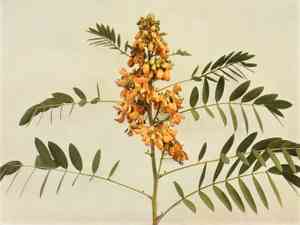
This enduring herbaceous plant originates from North America, readily identifiable by its vibrant yellow blossoms and composite foliage. For wild senna, the most suitable time for trimming is in spring to eliminate deceased or compromised stalks, foster a denser habit, and preserve an appealing form. Removing faded blooms during summer can extend the flowering period and deter spontaneous reseeding. Cutting back in autumn assists in tidying the specimen and readying it for the colder months. Pruning invigorates fresh development, improves air movement, and diminishes the likelihood of illness. Always employ sanitized, keen implements for all cuts.
What Are the Benefits of Pruning Wild Senna?
What Are the Benefits of Pruning Wild Senna?
Trimming wild senna promotes more abundant flowering, revitalizes growth, and helps maintain its desired form. Strategic cuts boost the plant's vigor and visual appeal, contributing to its overall health and decorative value.
What Is the Best Time for Pruning Wild Senna?
What Is the Best Time for Pruning Wild Senna?
Pruning wild senna from late winter to early spring is advisable while the plant is still dormant, reducing stress and the chance of disease. This timing also prepares wild senna for new growth, as stored root energy can be directed to healthy shoots. Light summer pruning after flowering can maintain shape and encourage bushier growth, but avoid excessive trimming to prevent reduced flower production next year. In fall, only light pruning should occur to remove dead or diseased branches, ensuring wild senna enters winter free of damaged foliage that could harbor pests or disease.
What Tools Do I Need to Prune Wild Senna?
Hand Pruners
Perfect for making precise cuts on wild senna's smaller stems and branches. Hand pruners provide the exact control needed for shaping and removing dead or diseased material.
Lopping Shears
Designed for cutting through wild senna's larger branches that are too thick for hand pruners. Their extended handles offer leverage, making pruning less strenuous.
Pruning Saw
Useful for removing mature wild senna branches that have become too large for lopping shears. A saw can handle thicker branches, ensuring a clean cut that promotes healthy regrowth.
Garden Gloves
Though not a cutting tool, gloves are crucial for protecting the gardener's hands from thorns and rough plant material during the wild senna pruning process.
Pruning Stool or Kneeler
Enhances accessibility and comfort when working on wild senna, especially during extended pruning sessions or when tending to lower parts of the plant.
How to Prune Wild Senna
Disinfect tools
Before beginning the wild senna pruning process, sanitize pruning shears or scissors with a solution of one part bleach to nine parts water to prevent disease transmission.
Remove diseased leaves
Carefully inspect wild senna for any signs of diseased leaves, such as discoloration or spots. Gently trim these leaves at their base without harming stems or adjacent healthy foliage to prevent illness from spreading.
Trim withered leaves
Identify withered leaves on wild senna that appear dry, brown, or are no longer photosynthesizing. Clip these leaves at their base to encourage healthy growth and improve air circulation within the plant.
Deadhead flowers
Deadhead wild senna by removing spent flowers. Make the cut just above the nearest leaf or bud to encourage new blooms and maintain a neat appearance.
Clean up
After pruning wild senna, gather and dispose of all removed materialâdiseased leaves, withered leaves, and dead flowersâaway from healthy plants to reduce the risk of disease spread.
Common Pruning Mistakes with Wild Senna
Over-pruning
Removing too much foliage at once can stress wild senna, hindering its ability to photosynthesize effectively and recover. It's crucial to prune no more than one-third of the plant at a time.
Pruning to the wrong size
Cutting wild senna's stems either too short or leaving them too long can result in poor plant shape and may impact future growth. Ideal pruning involves cutting just above new leaf buds without leaving large stubs.
Removing too many young shoots
Taking off too many new, green shoots can limit wild senna's potential for growth and flowering, as these parts will develop into the next season's foliage and flowers.
Improper tool use
Using dull or unclean pruning shears can damage wild senna's stems, making them vulnerable to disease. Always use sharp, clean tools for a healthy cut.
Pruning during high disease periods
Pruning wild senna when disease pressures are high can expose the plant to infection. Monitor local disease forecasts and prune during lower risk periods.
Common Pruning Tips for Wild Senna
Cutting technique
Use a clean, angled cut just above a set of leaves or a leaf bud to encourage wild senna to grow in the desired direction and shape, and to facilitate quick healing.
Maintenance pruning
Regularly remove dead or damaged branches from wild senna to maintain plant health and promote air circulation, reducing the risk of disease.
Shape control
Lightly prune wild senna to maintain its natural shape, removing any awkwardly growing branches to enhance the plant's aesthetic appeal without causing stress or over-pruning.
Encourage bushiness
Pinching back the tips of young wild senna shoots can stimulate the plant to grow more side shoots, leading to a fuller appearance and more blooms.
Rejuvenation
For older wild senna plants that show signs of reduced vigor, consider cutting back a significant portion of older stems to rejuvenate and encourage the growth of new shoots.



