How Much Sunlight Do Wild senna Need?
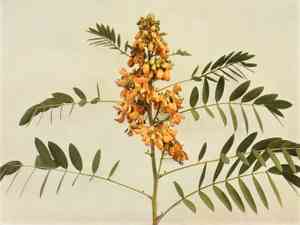
1
Wild senna flourishes optimally in complete sunlight, needing over 6 hours of direct light each day.
2
Although Wild senna can endure some shade, it might impact bloom production and general development.
3
Place your Wild senna specimens in locations that provide continuous sun exposure for peak vitality.
The Importance of Sunlight for Wild Senna
Photosynthesis and Development
Sunlight is vital for Wild senna as it powers photosynthesis, the process where the plant converts light energy into chemical energy. This is the primary method the plant uses to create sustenance for its development. Sufficient sunlight ensures Wild senna can generate enough energy to cultivate robust stems, vibrant foliage, and healthy root systems.
Blooming and Propagation
For Wild senna, sunlight is key not only for growth but also for reproduction. The amount of light Wild senna receives directly influences its capacity to flower and produce seeds. Blooms are crucial for the plant's natural spread and for enhancing garden beauty and attracting pollinators. Without adequate sunlight, Wild senna may yield fewer flowers and less viable seed production.
Optimal Sunlight Conditions for Wild Senna
Full Sun Exposure
Wild senna thrives best in full sun, meaning it should receive over 6 hours of direct sunlight daily. Full sun encourages vigorous growth and abundant flowering, making this the perfect environment for a healthy Wild senna plant.
Partial Shade Conditions
While Wild senna can endure partial shade, it is not ideal. Partial shade implies the plant gets between 3 to 6 hours of sunlight. In such conditions, Wild senna will survive but may not flourish as well as it would in full sun. You might observe less robust growth and fewer blooms.
Daily Sunlight Requirements for Wild Senna
Ideal Sunlight Duration
Wild senna performs best with a minimum of 6 hours of direct sunlight each day. This duration of sunlight allows the plant to reach its full growth potential and guarantees ample flower production, thereby maintaining its beauty and vitality.
Impacts of Excessive Exposure
Although Wild senna loves sunlight, it's important to watch for signs of overexposure, such as scorched leaves or burnt edges. If the plant is exposed to overly intense midday sun, it might benefit from some light afternoon shade to prevent overheating.
Can Wild Senna Flourish in Shaded Locations?
Shade Resilience
Wild senna demonstrates a degree of shade tolerance. It can grow in areas that receive less direct sunlight; however, this may negatively impact its overall health and development.
Growth Limitations
When cultivated in shaded areas, Wild senna often experiences hindered growth, resulting in fewer flowers and a generally less vigorous appearance. Consistent sunlight exposure is essential for the plant to achieve its full aesthetic and reproductive capabilities.
Placing Wild Senna for Maximum Sunlight
Preferred Garden Spots
To position Wild senna for optimal sunlight, select garden locations that provide unobstructed access to direct sunlight for most of the day. South-facing areas are typically ideal, as they receive the greatest amount of sunlight throughout the day.
Seasonal Light Variations
Be aware that sunlight exposure can change with the seasons. In the summer months, the sun is higher in the sky, offering longer daylight hours. During winter, the sun is lower, and daylight hours are shorter. Therefore, you might need to adjust the plant's placement or consider supplementary lighting in more shaded areas during shorter days.



