The Wild senna Plant Advantage: Maximizing Home and Office Appeal and Wellness
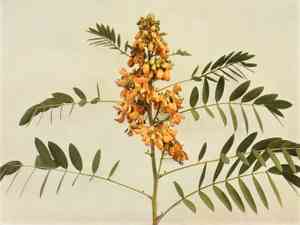
1
Wild senna is a hardy plant that thrives in diverse soil conditions.
2
This plant draws in helpful pollinators like bees and butterflies.
3
Wild senna proves useful for preventing soil erosion.
Benefits of Incorporating Wild Senna into Your Landscape
Adaptability to Various Soil Conditions
Wild senna flourishes across diverse soil types, making it a flexible selection for gardeners. Regardless of whether your garden features sandy, loamy, or even clay earth, this plant can adjust and thrive.
Minimal Upkeep
A key attractive feature of Wild senna is its undemanding care needs. Once rooted, it requires little irrigation and attention, positioning it as an excellent choice for busy gardeners or those aiming for an eco-friendly garden.
Environmental Advantages of Wild Senna
Luring Beneficial Pollinators
Wild senna is recognized for drawing in various helpful pollinators, such as bees and butterflies. These pollinators are vital for sustaining the well-being and ecological diversity of your garden environment.
Soil Erosion Prevention
The extensive root systems of Wild senna are effective in managing soil erosion. Cultivating this species on inclines or areas prone to erosion can help stabilize the ground and prevent soil loss, safeguarding the terrain.
Growing Wild Senna in Your Garden
Ideal Growing Environment
Wild senna favors full sun to partial shade and performs optimally when planted in soil that drains well. While it is adaptable, providing the best conditions will guarantee the plant's strongest growth and vitality.
Planting and Maintenance Advice
To plant Wild senna, excavate a hole twice the root ball's size and position the plant within, backfilling with soil and gently compacting it. Water thoroughly post-planting. Once established, consistent watering isn't essential, but keeping the soil slightly damp will encourage robust growth.
Garden Design Concepts Featuring Wild Senna
Developing Pollinator Habitats
Integrating Wild senna into your pollinator garden can boost its aesthetic appeal while supporting local ecosystems. Combine it with other pollinator-friendly flora to forge a vibrant, dynamic area.
Pairing with Indigenous Flora
Wild senna blends beautifully with other native plants, fostering a balanced and sustainable garden. Native species generally demand less care and exhibit greater resistance to local pests and diseases.



