How to Propagate Wild senna?
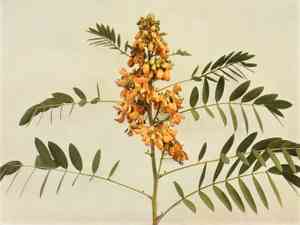
Cassia hebecarpa flourishes when reproduced via seeding, which ought to be performed in porous earth to foster peak development. To guarantee effective reproduction, sustain steady hydration yet prevent oversaturation, as this might impede root formation. Employing a thin layer of seed covering can boost sprouting percentages by supplying necessary darkness and safeguarding. Consistent observation for sprout appearance is crucial, since timely management of spacing and initial tending can considerably influence the plant's general well-being and resilience.
Optimal Time for Wild Senna Propagation
Propagation Method
Sowing
Propagation Period
Spring
Tools for Wild Senna Propagation
Seed trays
Seed trays are vital for initiating wild senna from seeds. They offer regulated soil conditions, ample room for root growth, and easier management of environmental factors like humidity and temperature. Utilizing seed trays aids in organizing the germination process efficiently and ensures that wild senna seedlings can be readily monitored and transplanted once robust enough for a larger growing area.
Fine-textured potting mix
A fine-textured potting mix offers essential support and aeration for wild senna seeds. It helps maintain proper moisture and nutrient levels, crucial for germination and early growth stages of wild senna. The fine texture allows delicate roots to easily penetrate the soil, promoting better root development and overall plant health during propagation.
Misting bottle
A misting bottle is used for gentle watering of wild senna seeds and young seedlings. Overwatering can dislodge small seeds and harm young roots, so misting provides necessary moisture without disturbing soil structure or seed placement. This tool helps maintain optimal moisture levels vital for seed germination and supports a healthy start for wild senna.
Heat mat
A heat mat is especially beneficial for propagating wild senna as it provides consistent bottom heat, which can significantly boost germination rates. The warmth from the heat mat keeps the soil at an ideal temperature, particularly important during colder months or climates, thus encouraging faster and more uniform germination of wild senna.
Labels and marker
Labels and a marker are crucial for tracking propagation dates and any specific requirements or treatments given to wild senna. Proper labeling assists in managing growth stages and needs of different seed batches, especially when propagating multiple species or varieties simultaneously. It ensures accurate monitoring and care throughout the wild senna propagation process.
How to Propagate Wild Senna
Propagation Type
Easy
Caring for Newly Propagated Wild Senna
Caring for Newly Propagated Wild Senna
Once wild senna seedlings appear, ensure they get sunlight and stay moist but not waterlogged. As they grow, thin seedlings to prevent overcrowding, giving each enough space for optimal growth. Apply a balanced, slow-release fertilizer after seedlings are established. Protect young plants from cold and drying winds, moving or shielding them if needed. Regular post-flowering pruning can help maintain plant shape and encourage new growth.
Common Mistakes to Avoid When Propagating Wild Senna
Overwatering
Excessive watering can lead to root rot and fungal infections in wild senna, compromising root health and reducing successful propagation chances.
Deep planting
Planting wild senna seeds or seedlings too deeply can impede growth by preventing sufficient light and air, crucial for germination and initial development.
Ignoring soil composition
Using inappropriate soil that either retains too much water or drains too quickly can negatively impact wild senna's root development, affecting overall plant health and growth.
Neglecting pre-treatment
Wild senna seeds often require specific pre-treatment to break dormancy. Skipping this step can result in poor germination rates.
Tips For Propagating Wild Senna
Appropriate soil preparation
Ensuring the use of well-draining soil that still retains adequate moisture is critical for the healthy root development of wild senna.
Seed scarification
Scarifying wild senna seeds by gently nicking their coats can help break dormancy, leading to higher germination rates.
Adequate depth placement
Wild senna seeds should be sown shallowly, just below the soil surface, to receive necessary light and air for germination.
Controlled watering
Maintaining balanced watering, providing enough moisture to keep the soil slightly damp but not waterlogged, will support successful wild senna propagation.



