The Hidden Danger in Your Home? Unmasking the Toxicity of the Wild senna Plant.
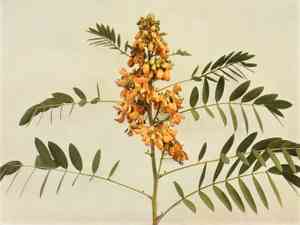
1
Wild senna consumption can induce significant digestive upset in people, manifesting as sickness, throwing up, and loose stools.
2
If cats ingest wild senna, they may experience digestive problems and sluggishness; prompt veterinary care is essential.
3
Dogs that eat any portion of wild senna risk poisoning, necessitating immediate veterinary assistance.
Is Wild senna toxic to humans?
Wild senna exhibits a moderate degree of toxicity to humans; the entire plant can induce poisoning if consumed. When individuals ingest portions of wild senna, they might encounter various symptoms indicating its poisonous properties. These symptoms can encompass digestive issues, such as intense nausea, emesis, and loose stools, along with potential neurological impacts like lightheadedness, headaches, and, in more serious instances, mental fogginess or disorientation. Since all components of wild senna are toxic, prudence is recommended to avert unintentional consumption, especially in non-food applications where the plant is not meant for eating. The danger is particularly relevant for children and animals, who may be attracted to the plant due to inquisitiveness.
Is Wild senna toxic to cat?
Wild senna presents a moderate level of toxicity to felines, potentially causing health issues if consumed. Cats might inadvertently ingest parts of the plant, placing them at risk of poisoning as the entire plant is deemed toxic. After ingestion, cats may display signs of physical discomfort or illness, such as digestive upset or sluggishness. It is crucial for cat guardians to supervise their pets and restrict access to wild senna. If a cat is suspected of wild senna poisoning, prompt veterinary care is vital to address any negative effects without delay.
Is Wild senna toxic to dog?
Wild senna carries a moderate toxicity risk for canines. Dogs may accidentally consume parts of the plant, potentially leading to poisoning. The whole plant is toxic, meaning any ingestion of foliage, stalks, blossoms, or seeds could be detrimental. Symptoms of poisoning in dogs can include digestive upset, emesis, loose stools, lethargy, and more severe indicators depending on the quantity consumed. It is imperative for dog owners to closely supervise their pets and prevent access to wild senna. If a dog is suspected of having ingested wild senna, immediate veterinary attention is essential to ensure swift treatment and symptom management.



