How to Transplant Texas sage?
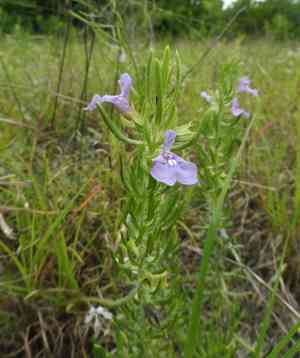
The most suitable period for relocating Texas sage is from mid-spring to late spring, which facilitates robust root growth prior to the summer season. To achieve optimal outcomes, select a location that receives ample sunlight and possesses soil with good drainage, ensuring sufficient spacing between plants to promote proper air movement.
What Preparations are Needed Before Transplanting Texas Sage?
What is the Ideal Time for Transplanting Texas Sage?
The best time to move texas sage is between the first signs of spring blooms and the peak of late spring's vigor. Relocating texas sage during this period takes advantage of mild weather, promoting strong root development without the strain of intense summer heat. Introducing texas sage to its new spot at this time offers an ideal mix of warm soil and cool air, perfect for fostering its growth. This careful timing leverages the natural growth cycle, leading to a lush and healthy plant in your garden.
How Much Space Should You Leave Between Texas Sage Plants?
Hello, gardener! When getting your texas sage ready, ensure they have ample room to thrive. Aim for a comfortable distance of 18-24 inches (45-60 cm) between them. This provides each plant with its own area to expand and flourish!
What is the Best Soil Mix for Texas Sage Transplanting?
The perfect bed for your texas sage begins with well-draining soil that readily absorbs moisture but avoids becoming waterlogged. Incorporate some rich compost as a foundational fertilizer to give your texas sage a nutrient-rich start. Happy planting!
Where Should You Relocate Your Texas Sage?
Sun-loving plant alert! Your texas sage will thrive in full sun to partial shade. Select a location where they will receive at least 6 hours of direct sunlight daily. Position them in a bright, cheerful spot for robust, healthy growth!
What Equipments Should You Prepare Before Transplantation Texas Sage?
Shovel or Spade
To excavate around and lift the texas sage from its current position.
Garden Fork
To gently loosen the soil surrounding the texas sage's root system.
Watering Can or Hose
To hydrate the texas sage both before and after its relocation.
Pruning Shears
To trim any damaged roots or foliage as required.
Wheelbarrow or Plant Cart
To move the texas sage from one spot to another without causing harm.
Gardening Gloves
To safeguard your hands while handling soil and the plant.
Measuring Tape
To maintain appropriate spacing between transplanted texas sages.
How Do You Remove Texas Sage from the Soil?
How Do You Remove Texas Sage from the Soil?
From Ground: Start by watering the texas sage to moisten the soil and reduce root stress. Use a shovel or spade to dig a wide circle around the plant, being careful not to cut through roots. Gently pry under the root ball and lift the texas sage from its original spot.From Pot: If the texas sage is in a container, water it thoroughly beforehand. Turn the pot on its side and gently tap or squeeze to loosen the plant. Pull the texas sage out by holding the base of the main stem, not the leaves, to prevent damage.From Seedling Tray: Water the tray to facilitate easier root ball removal. Use a tool like a dibber or a small spoon to lift the seedling along with its root ball, ensuring minimal disturbance to the plant's roots.
Step-by-Step Guide for Transplanting Texas Sage
Preparing the New Site
Dig a hole in the ground that is twice as wide and the same depth as the texas sage's root ball. This allows for easier root expansion in its new location.
Root Trimming
Examine the texas sage's roots and use pruning shears to remove any dead or damaged roots, which will encourage new growth.
Placing the Plant
Carefully position the texas sage into the hole, adjusting its depth so it sits at the same level it was growing previously.
Backfilling
Gently refill the hole with soil, lightly compacting it to ensure the texas sage stands upright and there are no air pockets around the roots.
Watering In
Water the texas sage thoroughly after planting to settle the soil and eliminate any remaining air gaps around the root ball.
Mulching
Apply a layer of mulch around the base of the texas sage to help retain soil moisture and regulate temperature fluctuations.
Stabilizing
If necessary, stake larger plants to provide support until they can establish themselves in their new location.
How Do You Care For Texas Sage After Transplanting?
Monitoring
Observe the texas sage daily for indications of water stress, pests, or diseases, and take appropriate action as needed.
Watering
Maintain a consistent watering schedule, allowing the soil to dry slightly between waterings to encourage roots to seek moisture and establish themselves.
Mulching
Replenish the mulch layer as needed to conserve moisture, suppress weeds, and provide temperature regulation.
Support
Adjust or remove plant supports like stakes once the texas sage has become established and can stand independently.
Pruning
Lightly prune the texas sage to promote bushier growth and to remove any dead or damaged growth resulting from the transplant process.
Troubleshooting Common Issues with Texas Sage Transplantation.
When is the best time to transplant texas sage?
Mid to late spring is ideal for transplanting texas sage, ensuring a gentle adjustment to growing conditions.
How far apart should I space texas sage when transplanting?
Aim for spacing texas sage approximately 18-24 inches (45-60 cm) apart to provide ample room for growth.
Why is my texas sage wilting after transplanting?
Wilting can occur if texas sage isn't adequately watered post-transplant or due to transplant shock. Ensure consistent moisture and avoid direct sun initially.
What's the ideal soil for transplanting texas sage?
Transplant texas sage into well-draining soil rich in organic matter to ensure optimal growth conditions.
How deep should the hole be for transplanting texas sage?
The hole should be slightly larger than the root ball, allowing texas sage's roots to spread comfortably.
How much should I water texas sage after transplanting?
Water texas sage thoroughly after transplanting to settle the soil, then maintain consistent moisture without waterlogging.
Can I transplant texas sage on a hot day?
Transplant texas sage on a cooler, overcast day to reduce stress and prevent rapid moisture loss.
Why are the leaves of my texas sage yellowing after transplant?
Yellowing leaves can indicate overwatering or poor drainage. Check soil moisture and adjust watering accordingly.
Should I fertilize texas sage after transplanting?
Wait a few weeks before fertilizing texas sage to avoid burning the roots; let it adjust first.
Can I transplant texas sage that's already flowering?
It's best to transplant texas sage when it's not flowering to focus its energy on root establishment.



