The Texas sage Plant Advantage: Maximizing Home and Office Appeal and Wellness
1
Texas sage is well-known for its strong ability to withstand dry conditions, making it an excellent option for eco-friendly garden designs.
2
This plant attracts beneficial insects such as bees and butterflies, boosting the variety of life in the area.
3
Featuring fragrant leaves and bright blooms, Texas sage brings beauty to any outdoor space.
Why Opt for Texas Sage in Your Garden?
Environmental Advantages
A key environmental benefit of Texas sage is its capacity to flourish in arid regions. This plant's inherent hardiness lessens the necessity for excessive irrigation, positioning it as an excellent selection for xeriscapingâa landscaping approach focused on water conservation. Furthermore, Texas sage serves as a sanctuary for pollinators, drawing in bees, butterflies, and other helpful insects. By supporting these pollinators, the plant aids in preserving local biodiversity, a vital element for a thriving ecosystem.
Visual Charm
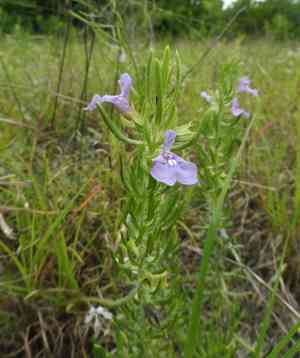
Beyond its ecological merits, Texas sage is prized for its aesthetic appeal. The plant showcases vivid blossoms ranging from deep purples to soft blues, creating a striking visual display that can act as the focal point of any garden. Its fragrant foliage adds an additional layer of sensory delight, making your garden not only visually pleasing but also wonderfully scented.
How Does Texas Sage Contribute to Sustainability?
Water Conservation
Texas sage is particularly recognized for its drought tolerance, which significantly reduces its water needs. This characteristic makes it a sustainable option for gardeners aiming to lessen their environmental impact. Incorporating Texas sage into your landscape can lead to considerable water savings, especially in dry areas or during periods of water restrictions.
Soil Health
Texas sage also plays a role in improving soil health. Its root structure helps prevent soil erosion, making it a valuable addition to areas prone to this issue. Moreover, the plant can enhance soil fertility over time by fostering beneficial soil microorganisms. This natural improvement can result in healthier, more nutrient-rich soil, which benefits the entire garden ecosystem.
What Are the Distinctive Qualities of Texas Sage?
Versatility
Texas sage exhibits high adaptability to various soil types, including sandy, loamy, and clayey soils. This flexibility makes it simple to integrate into diverse garden environments. Whether you possess a meticulously kept lawn or a more rugged, natural landscape, Texas sage can thrive with minimal effort, making it a practical choice for gardeners of all experience levels.
Minimal Upkeep
One of the prominent features of Texas sage is its low maintenance requirements. Once established, the plant demands little care, making it ideal for busy gardeners or those who prefer a garden that requires less attention. Regular trimming can improve its form and encourage more abundant flowering, but beyond that, Texas sage is relatively self-sufficient.
How to Care for Texas Sage in Your Garden?
Planting Advice
When planting Texas sage, select a spot that receives ample sunlight, as the plant flourishes in full sun conditions. Ensure the soil drains well to prevent waterlogging, which can harm the plant. Planting Texas sage during spring or fall is optimal, allowing it to establish roots before the extreme temperatures of summer or winter arrive.
Ongoing Maintenance
Caring for Texas sage is straightforward. Water the plant consistently during its initial growth phase to help establish its root system. Once mature, it will require less frequent watering. Prune the plant annually to maintain its shape and promote blooming. Fertilizer is generally not necessary, but a light application of compost in the spring can provide an extra nutrient boost.



