Enhancing Your Garden Design with the Texas sage Plant: A Landscaping Guide
1
Texas sage tolerates dry conditions well, perfect for dry regions.
2
Proper seasonal planting of Texas sage greatly enhances its development and look.
3
Adding Texas sage to your garden layout can improve your home's exterior attractiveness.
Introducing Texas sage to Your Garden
Understanding the Growth Habit of Texas sage
Texas sage is recognized for its dense, bushy growth, making it a flexible addition to any garden. Typically reaching heights of 1 to 2 feet, it spreads into a compact, rounded shape. This growth pattern helps create a lush look without overpowering other plants. Additionally, Texas sage is a perennial, meaning it returns annually, offering consistent beauty with minimal upkeep. Knowing this growth habit helps gardeners plan for its development and integrate it smoothly into their designs.
Choosing the Optimal Location for Texas sage
To get the most from Texas sage, selecting the best garden spot is essential. Full sun is preferred for abundant blooms and vibrant flowers. However, Texas sage can also endure partial shade, providing flexibility in placement. When choosing a site, look for areas receiving at least six hours of daily sunlight and having well-draining soil. This placement ensures the plant thrives and stays healthy, enhancing your garden's overall look.
Best Seasons to Plant Texas sage
Timing is crucial when planting Texas sage. For optimal results, plant Texas sage in autumn or early spring. These seasons offer moderate temperatures, helping the plant establish a strong root system before extreme summer heat or winter cold. Planting during these ideal times ensures Texas sage adapts well to its new environment and quickly begins to flourish, enhancing the garden's beauty sooner.
Designing with Texas sage: Aesthetic and Functional Benefits
Visual Impact of Texas sage in Your Yard
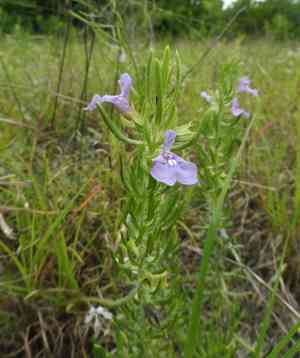
Texas sage provides a striking visual impact with its appealing foliage and bright flowers. The plant's dense flower clusters, ranging from blue to purple, can create stunning focal points in garden beds or borders. These elements add depth and color, making your garden more vibrant and attractive. Moreover, the fine texture of Texas sage's leaves beautifully contrasts with coarser plant textures, adding variety and interest to garden designs.
Pairing Texas sage with Other Plants
To maximize Texas sage's beauty and function in your landscape, consider pairing it with complementary plants. Texas sage works well with other drought-tolerant species, such as lantanas or native grasses, creating a unified look while conserving water. You can also combine it with flowering perennials like coreopsis or coneflowers to boost color diversity and attract pollinators. These combinations not only increase visual appeal but also contribute to a more sustainable and eco-friendly garden.
Maintaining Year-Round Interest with Texas sage
Texas sage helps maintain year-round garden interest due to its evergreen foliage and extended blooming period. While many plants go dormant in winter, Texas sage keeps its lush green leaves, providing consistent structure and color. During its blooming season, which can last from spring into fall, the plant adds vibrant colors that catch the eye. This year-round presence makes Texas sage a valuable addition to any landscape design, ensuring your garden remains attractive in all seasons.
Practical Considerations for Using Texas sage in Landscape Designs
Water Requirements: Matching Texas sage with Your Local Climate
Texas sage is especially suited for arid and semi-arid climates due to its minimal water needs. This drought tolerance makes it an excellent choice for areas prone to water restrictions or for gardeners aiming for xeriscape designs. While newly planted Texas sage needs regular watering to establish roots, once mature, it requires little irrigation. This trait not only helps conserve water but also reduces garden maintenance efforts.
Soil Preferences of Texas sage
Understanding Texas sage's soil preferences is crucial for its health and longevity in your garden. Texas sage thrives in well-draining soils, which prevent root rot and other moisture-related issues. Sandy or loamy soils are ideal, but Texas sage can adapt to various soil types as long as drainage is sufficient. Adding organic matter, such as compost, can improve soil structure and fertility, promoting healthier growth and more abundant blooms.
Longevity and Sustainability of Texas sage
One of Texas sage's key features is its longevity and sustainability. As a perennial, it offers long-term benefits, returning annually with minimal replanting. Additionally, Texas sage is relatively pest-resistant and disease-free, reducing the need for chemical interventions. This sustainability makes Texas sage an environmentally friendly choice for gardeners prioritizing eco-friendly practices. By incorporating Texas sage into your landscape, you can enjoy a beautiful, low-maintenance garden for years to come.
Elevating Your Property Value with Texas sage
Increasing Curb Appeal with Strategic Placement of Texas sage
Strategic placement of Texas sage in your landscape can significantly boost your property's curb appeal. Planting Texas sage along pathways, entryways, or front gardens creates an inviting and colorful first impression. Its vibrant blooms and tidy form contribute to a well-maintained appearance, which can be particularly appealing to potential buyers. A well-designed garden featuring Texas sage can make your property stand out, potentially increasing its market value.
The Economic Benefits of Using Indigenous Plants Like Texas sage
Using indigenous plants like Texas sage in your garden design can offer economic benefits beyond just aesthetic appeal. Native plants are adapted to local conditions, meaning they often require less water, fertilizer, and overall maintenance. This translates to lower gardening costs and resource use. Furthermore, incorporating native plants supports local ecosystems by providing habitat for native wildlife. These economic and ecological advantages make Texas sage a smart investment for any homeowner looking to create a beautiful and sustainable garden.
Frequently Asked Questions
Is Texas sage Suitable for Small Gardens?
Absolutely! Texas sage is perfect for small gardens due to its compact size and manageable growth habit. It can be planted in containers or small garden beds without overwhelming the space, making it a versatile option for gardens of any size.
How Often Should Texas sage Be Pruned?
Texas sage benefits from light pruning to maintain its shape and encourage new growth. Prune in early spring before new growth begins or after the flowering season to remove spent blooms and promote a healthier, more vigorous plant.
Can Texas sage Thrive in Shaded Areas?
While Texas sage prefers full sun for optimal blooming, it can tolerate partial shade. However, flowering may be reduced in shaded areas. It's best to provide at least six hours of sunlight daily to ensure robust flowering and growth.



