How to Prune Texas sage?
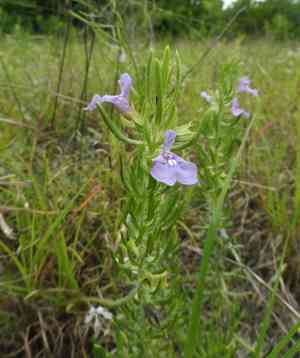
This resilient shrub, distinguished by its silver leaves and violet blossoms, flourishes in dry environments. For texas sage, light trimming is recommended for shaping or eliminating deceased branches, preserving an appealing, organic structure. The most opportune periods for pruning are during spring or following the summer flowering phase to stimulate fresh development. Refrain from severe cutting, as this can diminish bloom production and hardiness. Consistent trimming improves air movement and plant vigor, fostering abundant flowering and lush foliage.
What Are the Benefits of Pruning Texas Sage?
What Are the Benefits of Pruning Texas Sage?
Trimming texas sage promotes robust development by eliminating old or lifeless branches, which enhances air circulation and sun exposure. Shaping texas sage manages its size, ensuring a compact and visually appealing form.
What Is the Best Time for Pruning Texas Sage?
What Is the Best Time for Pruning Texas Sage?
These periods are considered ideal for trimming texas sage as they align with the plant's natural growth cycle following its active spring phase. Late spring pruning strengthens new growth and removes unhealthy or older branches, fostering healthier, more structured development. Pruning in early summer, after the initial bloom, can stimulate a second flowering cycle and maintain the plant's shape and aesthetic appeal. During this time, the risk of frost damage has passed, and the plant has not yet entered dormancy, ensuring that pruning does not negatively impact its health or blooming potential.
What Tools Do I Need to Prune Texas Sage?
Bypass Pruners
Texas sage frequently requires selective stem pruning or deadheading. Bypass pruners are suitable for making clean cuts on its delicate stems and branches without causing undue harm to the plant.
Gardening Scissors or Snips
Perfect for precise trimming of texas sage's smaller or fragile growth, such as removing spent flower heads or shaping the foliage.
Long-Handled Loppers
These are useful for trimming thicker or hard-to-reach branches of texas sage, ensuring a clean cut without straining the gardener's hands or arms.
Pruning Saw
A pruning saw might occasionally be needed for any mature or thick woody stems that are too large for pruners or loppers to manage.
How to Prune Texas Sage
Sanitize
Before trimming texas sage, sterilize all pruning tools with a solution of 1 part bleach to 9 parts water to prevent disease spread.
Diseased Leaves
Carefully inspect texas sage for signs of leaf disease, such as unusual spots, colors, or textures. Use hand pruners to remove any diseased leaves by cutting them at their base, ensuring not to tear the leaf tissue.
Withered Leaves
Identify and remove any withered or dead leaves on texas sage to help redirect energy to healthy growth. Snip the withered leaves at the base, taking care not to damage healthy adjacent foliage or stems.
Diseased Stems
Look for stems on texas sage that show signs of disease, including discoloration, unusual swellings, or lesions. Use sharp pruning shears to make clean cuts well below the affected area, ideally back to a main stem or a point of healthy tissue.
Cleanup
Once pruning of texas sage is complete, collect and dispose of all removed diseased material in a sealed bag to reduce the likelihood of disease spread. Clean the pruning tools again with the bleach solution.
Common Pruning Mistakes with Texas Sage
Over-Pruning
Removing too much growth from texas sage can stress the plant, potentially leading to reduced flowering and overall vitality.
Improper Cutting Technique
Cutting too close to the main stems or not at a 45-degree angle can invite disease and damage the texas sage.
Ignoring Plant Health
Pruning texas sage when it is unhealthy or stressed can worsen existing problems and hinder recovery.
Cutting Into Old Wood
Texas sage blooms on new growth, and cutting into old wood may result in fewer flowers since this can remove potential flowering sites.
Pruning All Stems To The Same Height
This can lead to a less natural-looking shape and potential decline in the aesthetics as well as the health of texas sage.
Disregarding Tools Hygiene
Using dirty tools can introduce diseases to the texas sage, so tools should always be cleaned before use.
Common Pruning Tips for Texas Sage
Selective Thinning
Remove only the necessary, overgrown, or dead stems to maintain a natural appearance and good air circulation for texas sage.
Cut At Node
Make cuts just above leaf nodes or branching points to encourage texas sage to produce new, healthy growth.
45-Degree Angle Cuts
Cutting stems at a 45-degree angle ensures that water runs off the cut, reducing the chance of disease for texas sage.
Prune For Shape
Shape texas sage gently during the pruning process to enhance its natural form without sacrificing potential bloom sites.
Clean Tools
Use sharp, clean pruning tools to make precise cuts on texas sage, which aids in faster healing and reduces the risk of disease transmission.
Prune For Rejuvenation
If necessary, older texas sage plants can benefit from rejuvenation pruning to encourage fresh new growth and improve flowering.



