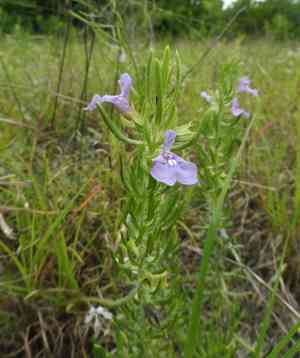
Texas sage (Salvia texana)
Also known as: Texas Sage, Cedar Sage
Salvia texana, often referred to as Texas sage, is native to Texas and other parts of the south-central United States, including Oklahoma and New Mexico, as well as northern Mexico. It typically thrives in arid regions, favoring dry, rocky, limestone-based soils.
In This Article
Attributes of Texas sage
Lifespan
Perennial
Plant Type
Herb
Plant Height
30 cm to 61 cm
Spread
30 cm
Leaf Color
Gray-green
Flower Size
1.7 cm to 2.5 cm
Flower Color
Purple
Images of Texas sage
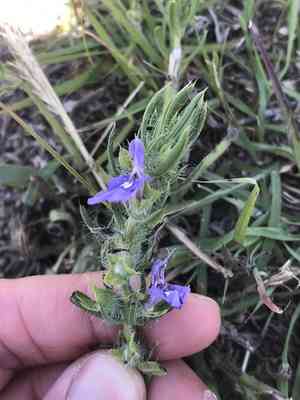
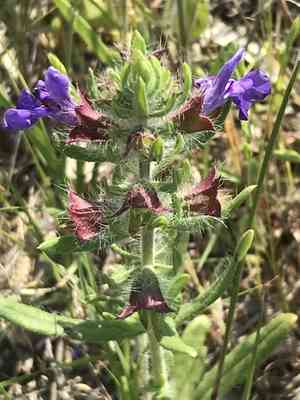
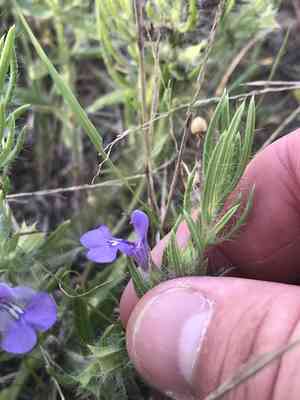
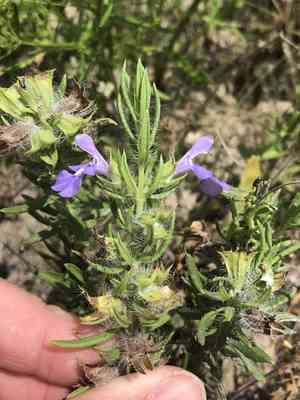
Quickly Identify Texas sage
1
This plant can be identified by its narrow, lanceolate leaves which are gray-green in color. The flowers are typically violet or purple and bloom in whorls along square stems.
Scientific Classification of Texas sage
Phylum
Vascular plants
Class
Dicotyledons
Order
Lamiales
Family
Mint
Genus
Sages
Species
Texas sage
Planting and Growing of Texas sage
Care Difficulty
Easy
Watering Schedule
Every 2 days
Sunlight Requirements
Full sun
Sunshine Duration
6-12 hours
Ideal Temperature
68-77℉
Soil Type
Potting Mix, Peat Mix
Soil pH
6-8
Fertilizer Type
Balanced
Pruning Season
Spring, Summer
Pruning Area
Branches, Leaves
Pruning Frequency
2 times a year
Repotting Season
Spring
Pot Type
Plastic, Ceramic
 How to Water Texas sage?
Salvia texana prefers the soil to dry out between waterings. Water thoroughly so that the soil is saturated but not soggy. Aim for 500 ml per application, ensuring water reaches 12 inches deep into the soil.
What are the symptoms of an underwatered Texas sage?
›
What should I do if my Texas sage is not getting enough water?
›
What are the symptoms of an overwatered Texas sage?
›
How to save an overwatered Texas sage?
›
 What Are the Sunlight Requirements for Texas sage?
Salvia texana flourishes under full sun conditions, leading to vigorous growth and prolific blooms. Ideal lighting fosters photosynthesis, ensuring energy production and nutritional synthesis, crucial for thriving.
More About Sunlight Requirements Techniques→
What is the ideal sunlight exposure for Salvia texana?
›
What solutions can ensure Salvia texana receives ideal light?
›
What are the benefits of optimal light for Salvia texana?
›
 What Is the Ideal Temperature Range for Texas sage?
The ideal temperature range for Salvia texana is between 68°F and 77°F. In this range, the plant can optimally perform photosynthesis, leading to healthy growth and vibrant blooming. This range ensures balanced metabolic activity and prevents thermal stress.
 What Soil is Best for Texas sage?
Salvia texana thrives in well-draining soil, which prevents root rot by allowing excess water to escape quickly. This is crucial during the rainy season when the plant is at higher risk for fungal infections. A nutrient-rich soil ensures Salvia texana receives the essential nutrients needed for robust growth and vibrant flowering. Regularly incorporating organic matter such as compost or well-rotted manure can enhance soil fertility. Preferring slightly alkaline soils, Salvia texana can flourish in an environment where pH levels are balanced just right. This balance supports healthy root growth and aids in nutrient uptake.
More About Soil→
 How to Fertilize Texas sage?
Salvia texana, commonly referred to as Texas sage, thrives with moderate fertilization. For liquid fertilizers, use a balanced 10-10-10 formula at half-strength per application. Each plant should receive about 1 to 2 tablespoons of this solution, delivered at the plant's base to ensure direct absorption without waste.
 How to Prune Texas sage?
Start by examining your Salvia texana for any dead, damaged, or diseased stems. Use sharp, sterilized shears to cleanly cut these stems at their base. This promotes overall plant health and encourages new growth. To shape your plant and encourage more flowers, pinch or prune back the tips of the stems by one-third after the plant has finished blooming. This stimulates the plant to produce more lateral branches and ultimately more blooms. In areas where Salvia texana is not evergreen, wait until early spring to trim back any stalks that have died back during the winter. Cut these down to about 2-4 inches above ground level to allow for fresh spring growth.
More About Pruning Techniques→
 How to Propagate Texas sage plant?
1
Harvest seeds from mature Salvia texana flowers as they begin to dry and turn brown, indicating they are ripe. Ensure seeds are stored in a cool, dry place until you're ready to plant.
2
Select healthy stems for cuttings, ideally semi-hardwood, and make a clean cut beneath a node. Remove any flowers and leaves from the lower part of the cutting to prevent rot.
3
For seeds, sow them shallowly in a moistened starting mix. For cuttings, dip the cut ends in rooting hormone and plant them in a well-draining potting mix. Maintain a consistent moisture level without overwatering.
 How to Repot Texas sage plant?
1
Salvia texana requires repotting when you notice roots growing out of the drainage holes, soil that dries out too quickly, or stunted growth. These are signs the plant has outgrown its current pot and needs more space to thrive.
2
Select a pot that is one to two inches larger in diameter than the current one. This ensures ample space for root growth, preventing the plant from being root-bound. A pot with drainage holes is crucial to avoid waterlogging.
3
Opt for a well-draining potting mix containing perlite or sand. This mixture prevents water retention, mimicking the plant's natural habitat and promoting healthy root development, minimizing the risk of root rot.
Learn More About Texas sage Diseases
Anthracnose
Bacterial Leaf Spot
Bacterial Soft Rot
Bacterial Wilt
Black Spot
Chemical Injury
Crown Gall
Damping-off
Downy Mildew
Drought Stress
Fusarium Wilt
Gray Mold
Leaf Curl
Leaf Spot
Mosaic
Nutrient Deficiency
Nutrient Toxicity
Powdery Mildew
Root Rot
Root-knot Nematode
Rusts
Sooty Mold
Spider Mites
Temperature Stress
Thrips Damage
White Mold



